Armenia Turns Toward the EU Despite Kremlin Pressure, Signaling a Decline in Russian Global Influence.

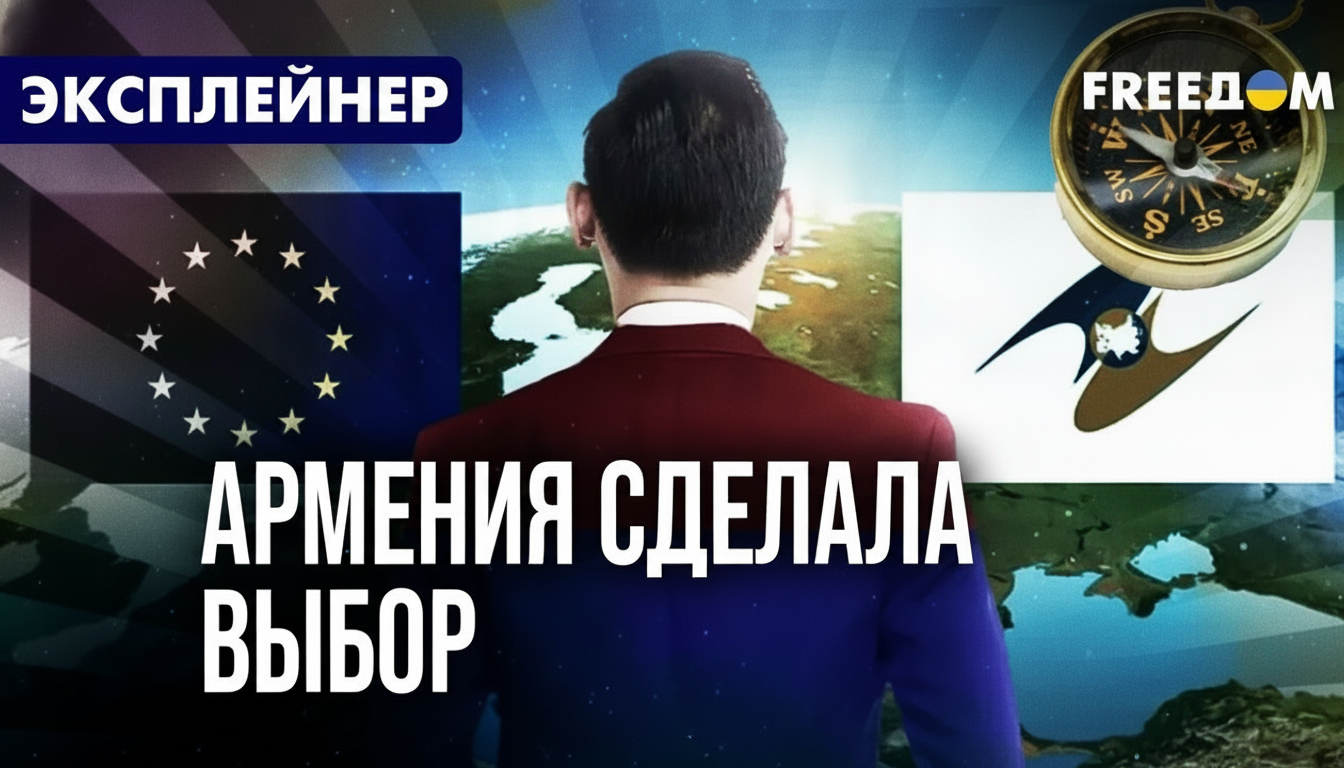
Russia's Influence in Africa and the Caucasus
According to UATV: Moscow is working to bolster its sway across Africa and the Caucasus, with a particular focus on Armenia following its recent parliamentary elections. Despite pressure from the Kremlin, Armenia has chosen a path of closer ties with the European Union. As part of these efforts, Russia has sent an additional shipment of military equipment to Madagascar and deployed a Russian language instructor there.
Russia's Military Footprint in the Region
A key component of Russia's strategy is maintaining a military presence in the area. In November 2020, for example, Moscow deployed nearly 2,000 troops, 90 armored personnel carriers, and hundreds of other military units to Nagorno-Karabakh. Additionally, Russia has operated a military base in Gyumri, Armenia, since 1995, located about 126 kilometers from the capital Yerevan. This underscores the longstanding military partnership between Russia and Armenia.
Armenia held its parliamentary elections on June 7. The ruling party, Civil Contract, secured a majority of seats, which may indicate public backing for the pro-EU direction. However, Russian governmental pressure persists. In May, the Russian State Duma passed a law allowing the use of armed forces to protect Russian citizens arrested abroad.
'Russia's political influence over other countries is weakening' - Volodymyr Zelenskyy
These remarks highlight a growing trend in the region, where nations are seeking new development paths despite longstanding ties to Moscow.
Armenia's shift toward the European Union reflects its desire to explore fresh opportunities for growth and reduce dependence on Russia. At the same time, Moscow's intensified military presence in the region and new legislative measures demonstrate the Kremlin's efforts to retain control over post-Soviet states. In the context of shifting international politics, these developments could have long-term implications for regional stability.
Read also
- Stone Cloak Tech for Drones: UK Supplies Ukraine with Countermeasure Against Russian Air Defenses
- Washington Hosts Zelenskyy for Trump Meeting – Full Details on the Visit
- Iran's Alleged Strike Preparations on Ukraine Lack Official Evidence, Diplomacy Center Director States
- Visa-Free Access to Be Terminated by Montenegro for Nationals of Russia, Belarus, China, Turkey, and Saudi Arabia Starting November 1
- Germany Reacts with Alarm as Russia Stakes New Arctic Claims on Franz Josef Land
- A bridge linking Russia and North Korea is nearly finished – what that means for Ukraine’s security