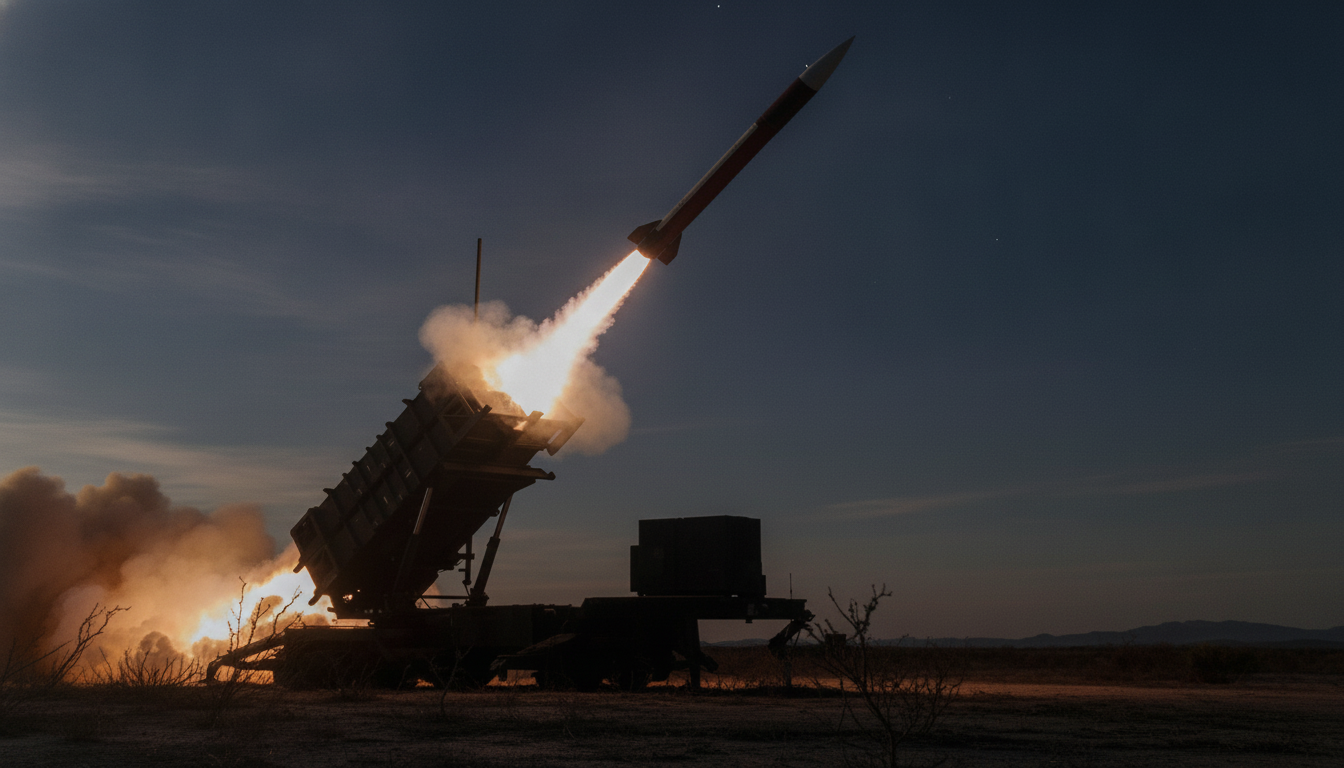
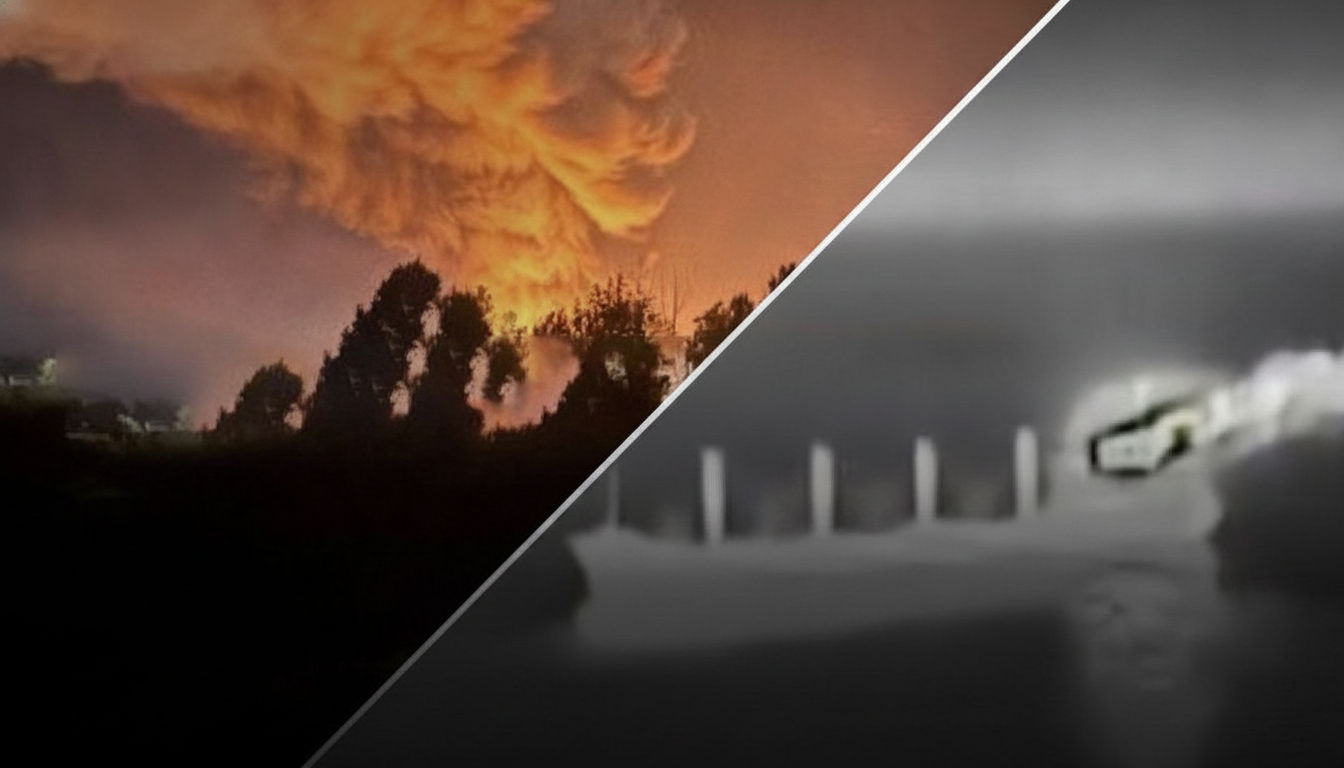
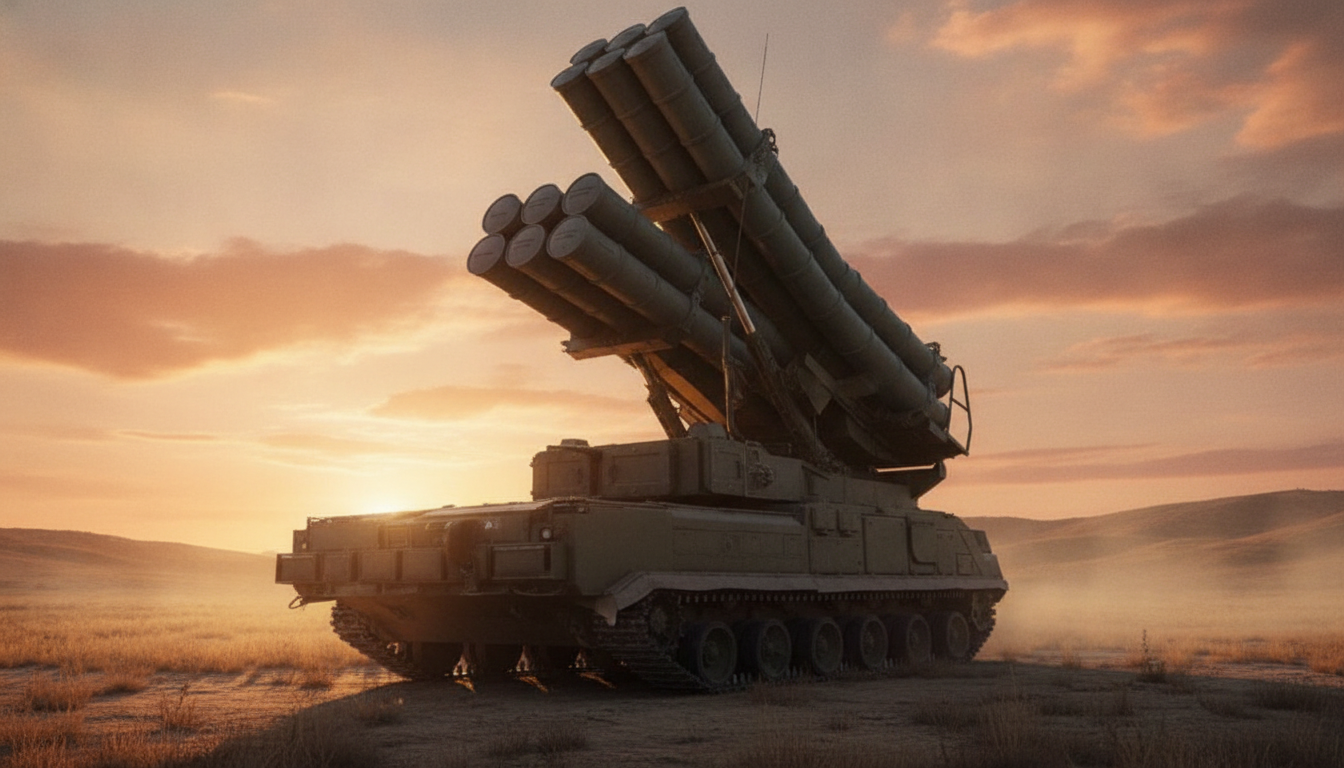
Russia's February 26th Mass Assault on Ukraine Featured Hypersonic 'Zircon' Missiles.

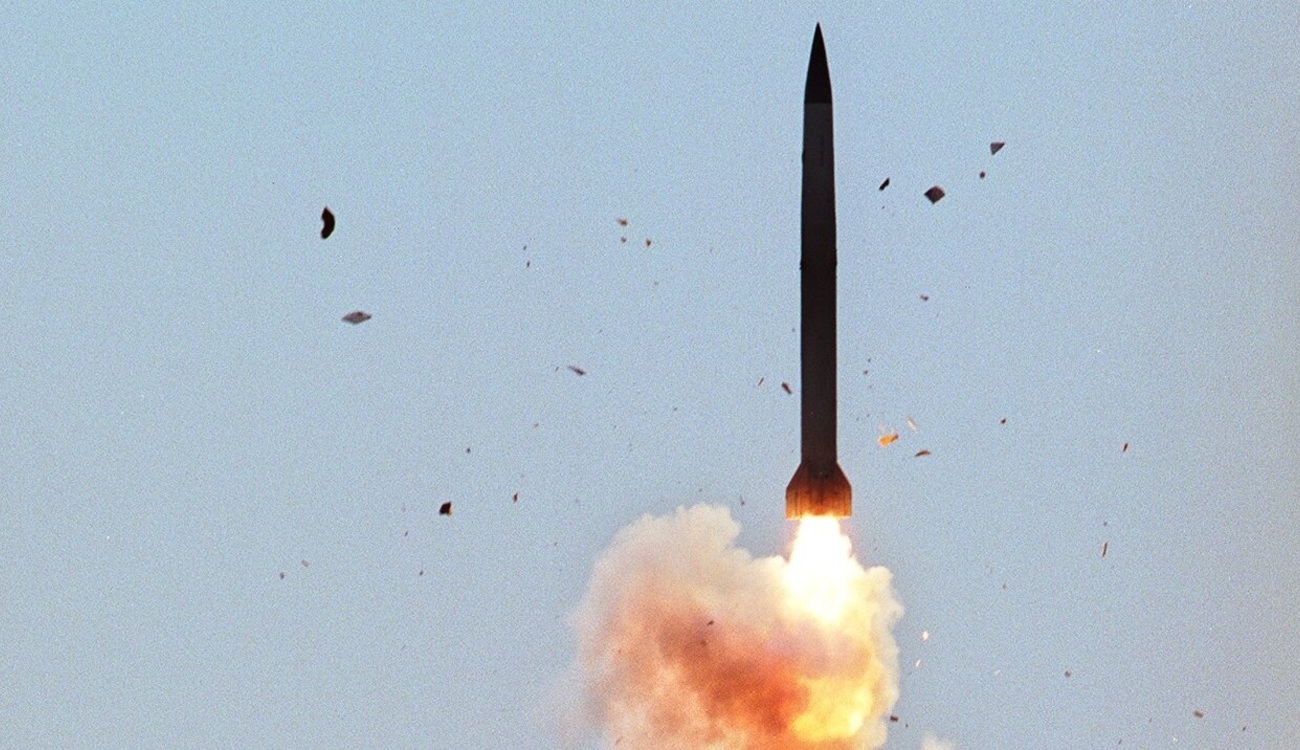
Ukraine Endures Large-Scale Assault
According to UATV: On February 26, the Russian military launched a massive, multi-weapon attack against Ukraine. The assault involved a significant number of missiles and drones, including:
- two 'Zircon' anti-ship missiles
- eleven ballistic missiles, including 'Iskander-M' and S-400 types
- twenty-four Kh-101 cruise missiles
- two Kh-69 guided air-to-surface missiles
- 420 attack unmanned aerial vehicles (UAVs)
Of the total drones launched, 280 were identified as 'Shahed' models. Ukrainian air defense forces successfully intercepted or neutralized a substantial portion of the incoming threats:
- both 'Zircon' anti-ship missiles
- four ballistic missiles ('Iskander-M' and S-400)
- all twenty-four Kh-101 cruise missiles
- both Kh-69 guided missiles
- 374 hostile UAVs
Despite these defensive efforts, five ballistic missiles and 46 attack drones struck their targets across thirty-two different locations.
Origins and Consequences of the Attack
The attack originated from the temporarily occupied territory of Crimea and from Russia's Bryansk, Rostov, and Vologda regions. Explosions were reported in several Ukrainian regions, including Kharkiv, Dnipropetrovsk, and Poltava, as well as in the capital city of Kyiv and Zaporizhzhia. Debris from downed projectiles was recorded at fifteen additional sites. This use of advanced weaponry from Russian territory highlights the ongoing strategic depth of the conflict. The bombardment drew serious concern and condemnation from the international community.
This assault serves as further evidence of the escalating intensity of hostilities in eastern Ukraine.
The Russian military demonstrated its capacity to deploy a wide array of weaponry, potentially signaling preparations for new phases of the conflict. Simultaneously, the effectiveness of Ukrainian air defense in mitigating the attack's impact underscores the critical role of technology in modern warfare and the constant need for its advancement to protect civilian populations.
Read also
- U.S. Probes Alleged Russian Aid to Iran in Attacks on CIA Facilities
- What Russia's Sabotage Units Are Really After in Northern Ukraine: Bratchuk Reveals the Enemy's Key Objective
- Rubio Reports Weekly Russian Losses: 5,000–6,000 Killed and Wounded
- 26 NATO Members Join PURL Initiative, Raising $6.7 Billion for Ukraine's Armed Forces
- Ukrainian Forces Strike Black Sea Tanker and Donetsk Crossing in Coordinated Attack
- Ukrainian Border Guards Destroy $50 Million Russian Buk-M3 System in Donetsk Region