Zelensky on the deportation from Sumy region: 52 civilians and 13 soldiers in captivity.

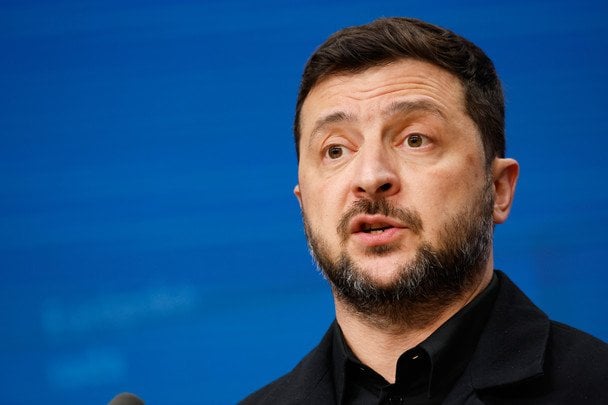
According to ТСН: Ukrainian President Volodymyr Zelensky confirmed that residents of the border village of Hrabivske in Sumy region were seized and deported. Among the civilians was also a group of Ukrainian soldiers.
This information was announced during the celebrations on the occasion of Diplomatic Service Workers' Day in Kyiv.
The situation in Hrabivske
According to the president, despite calls for evacuation, dozens of people remained in the village.
There were 52 people left — citizens of Ukraine who did not evacuate... I was surprised that there were children there. Just surprised that parents treat their children this way. These 52 people lived there and have some dialogues with border guards on the territory of the Russian Federation. I think they just did not expect that Russian soldiers would take them. As for our soldiers — 13 of our soldiers are also in captivity, Zelensky noted.
Events of December 20
We remind that on the night of December 20, Russian soldiers captured the village of Hrabivske and took away 50 civilian residents. That night, combat operations were also taking place in the area.
The majority of those taken away were elderly people who had previously refused evacuation.
This situation in Hrabivske reflects the complex challenges faced by civilians in the conditions of armed conflict. Ensuring the safety and evacuation of residents remains a pressing issue for Ukrainian authorities in the context of military actions in the East of the country.
Read also
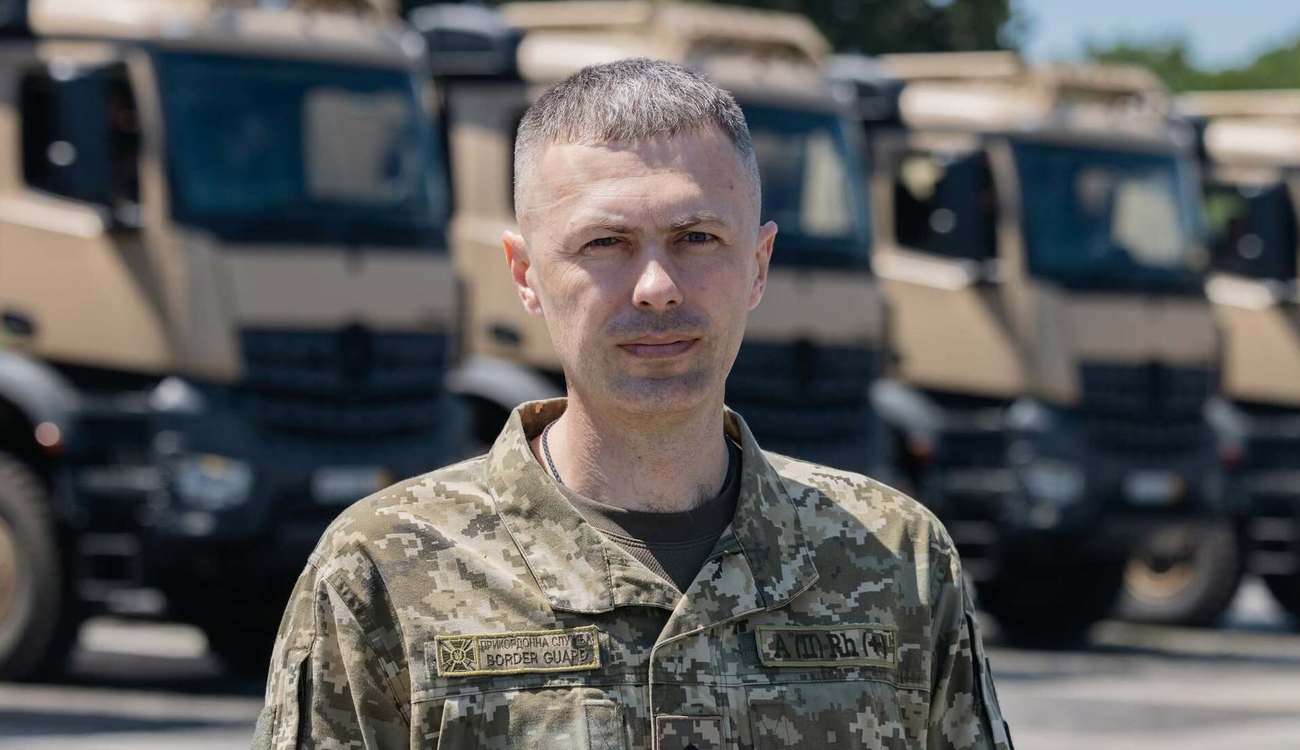
- Drone Strikes from Belarus Intensify: Border Guards Reveal New Details
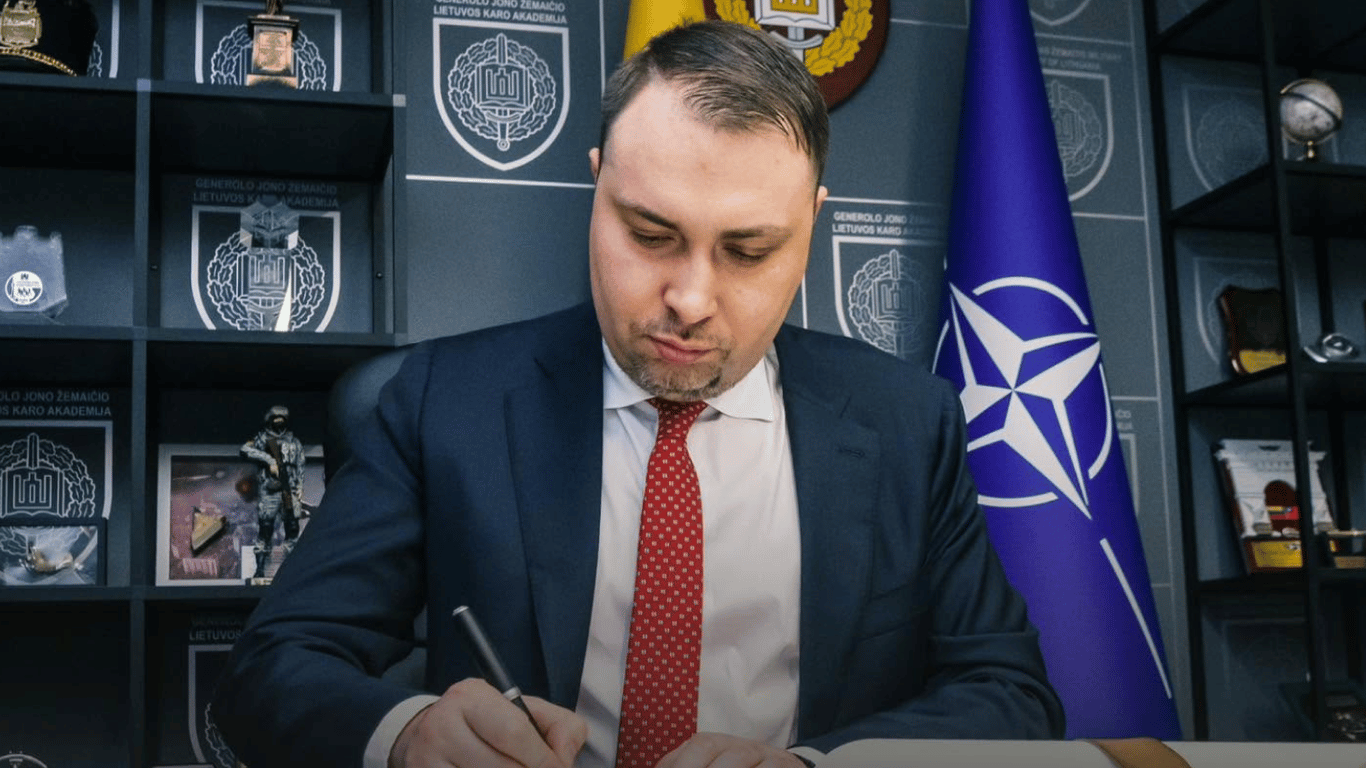
- Kyrylo Budanov to Lead New Coordination Council for Veterans’ Rights Established by Zelenskyy
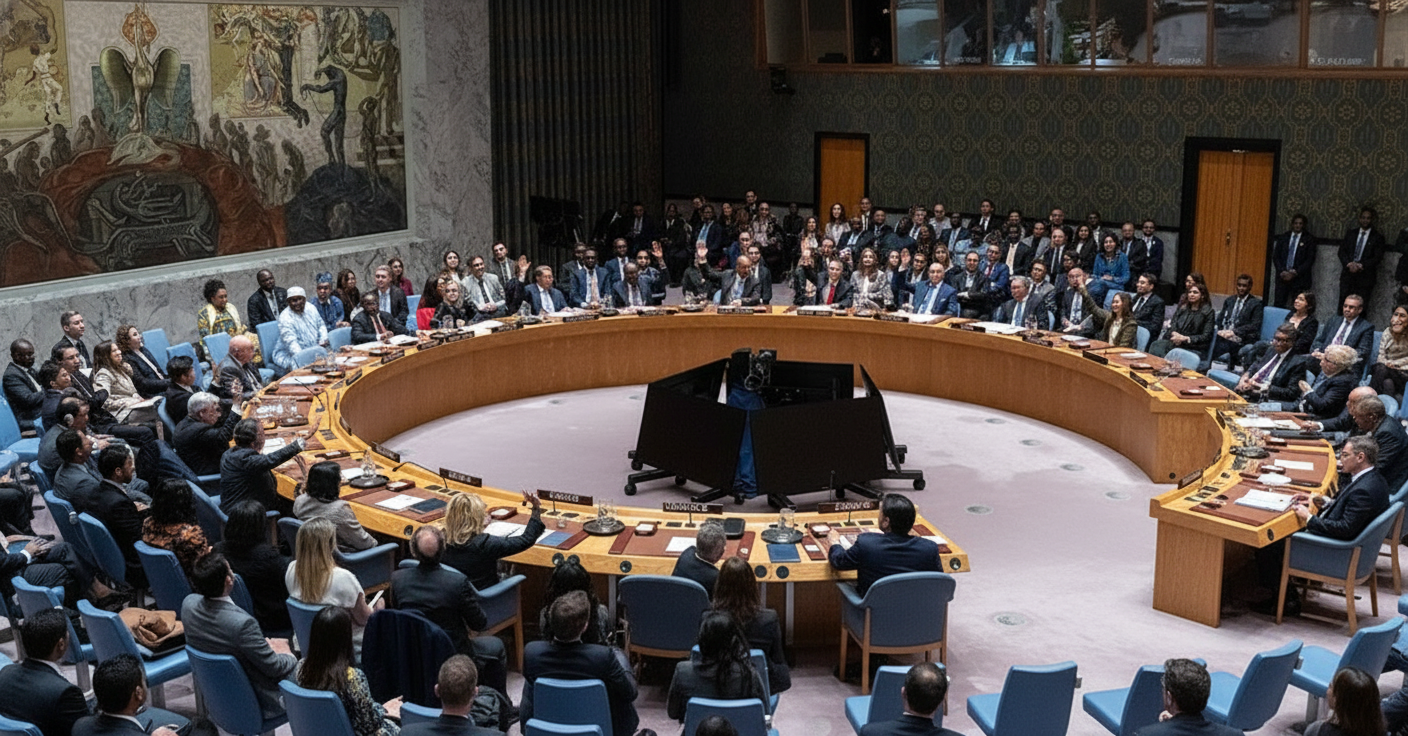
- Ukraine Calls Emergency UN Security Council Session Amid Escalating Russian Attacks
- Europe Urged to Shoulder Ukraine Support as Trump Shifts Responsibility: Expert Analysis
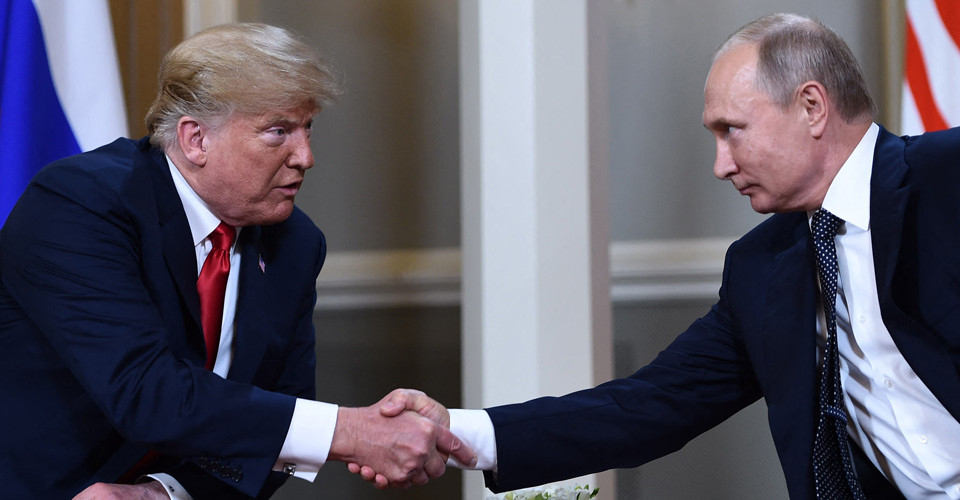
- America’s Role in Backing a Putin-Zelensky Meeting: Trump Weighs In
- Putin Acknowledges Zelenskyy's Legitimacy for the First Time: How Drones and a Letter Shifted Russian Sentiment