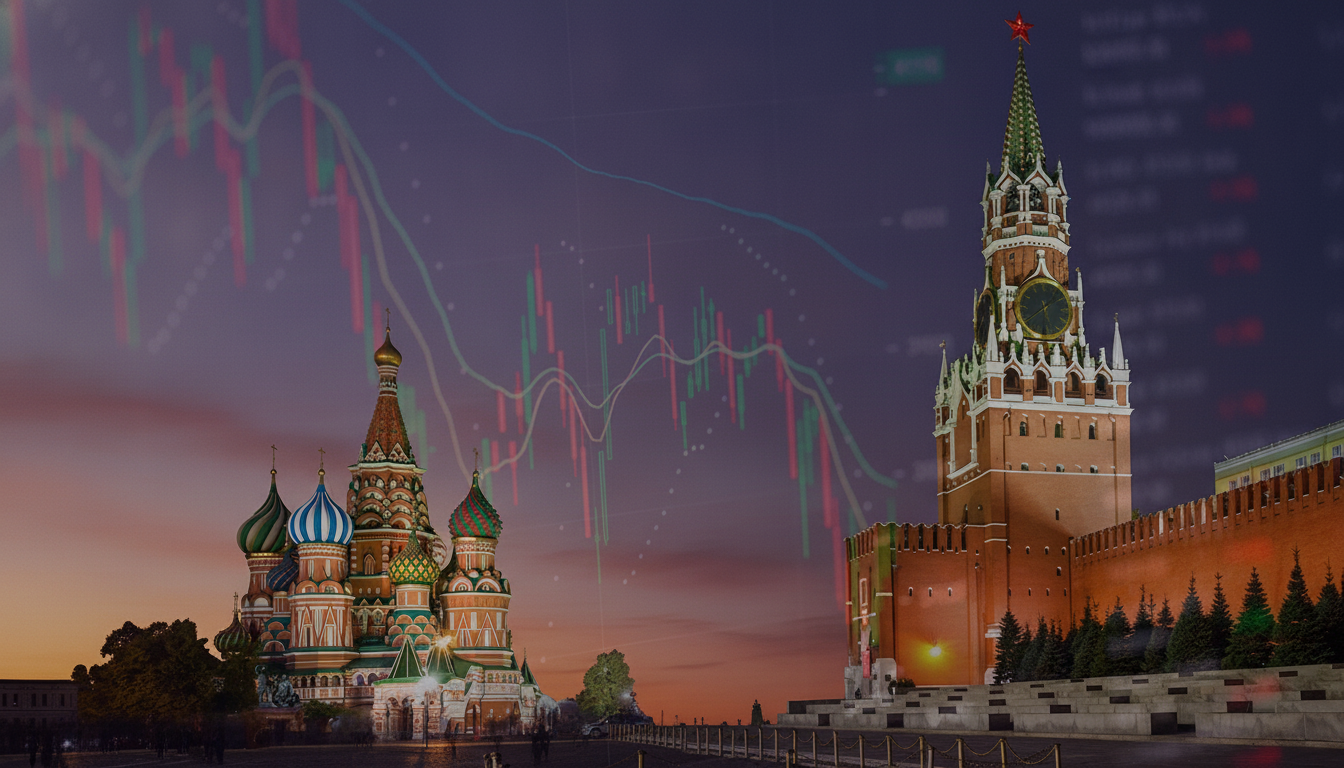
Nearly $20 Billion Withdrawn from Russian Banks: What’s Happening to the Economy?.

Russia’s Economic Crisis Deepens
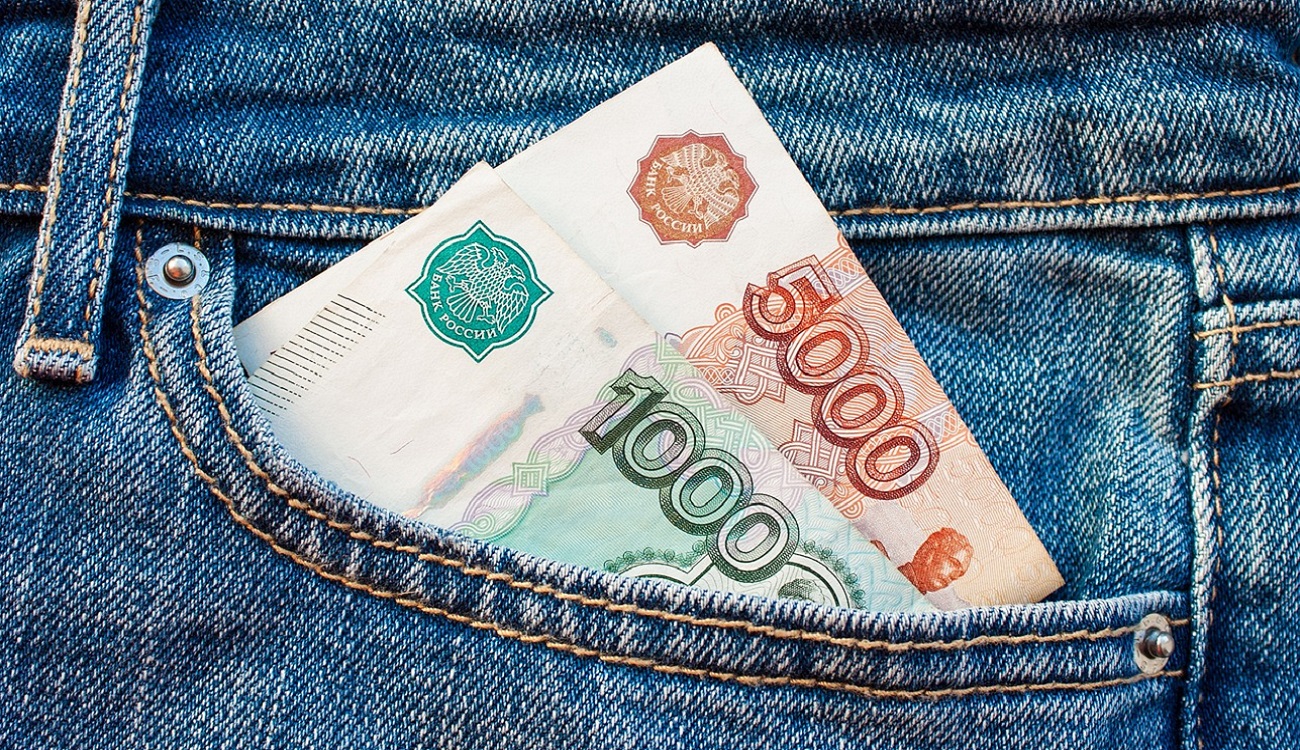
According to UATV: In January 2026, Russian residents withdrew over $19.5 billion from their bank accounts, signaling a rapid capital flight from the financial system. The net outflow from the banking sector reached nearly $14 billion, pointing to severe turmoil in the industry. This economic crisis is marked by rising unemployment, falling incomes, mounting household debt, and capital leaving the country.
By early 2026, the number of bankrupt individuals in Russia had climbed to 2 million—an alarming figure for the national economy. Russians’ credit debt in 2025 totaled almost 2.5 trillion rubles ($22.7 billion), adding further strain on household financial stability. Surveys indicate that one in three small business owners in Russia plans to shut down in 2026, while 52% of entrepreneurs expect their business conditions to worsen in the coming year.
Major Enterprises Under Pressure
Oil giant Lukoil posted a net loss exceeding 1 trillion rubles ($9.1 billion) in 2025, highlighting the difficulties faced even by large corporations. Amid economic instability, Russia’s central bank sold approximately 15 tons of gold during the first two months of 2026. By March 2026, the country’s gold reserves had fallen to below 2,500 tons.
Experts comment on the situation, noting:
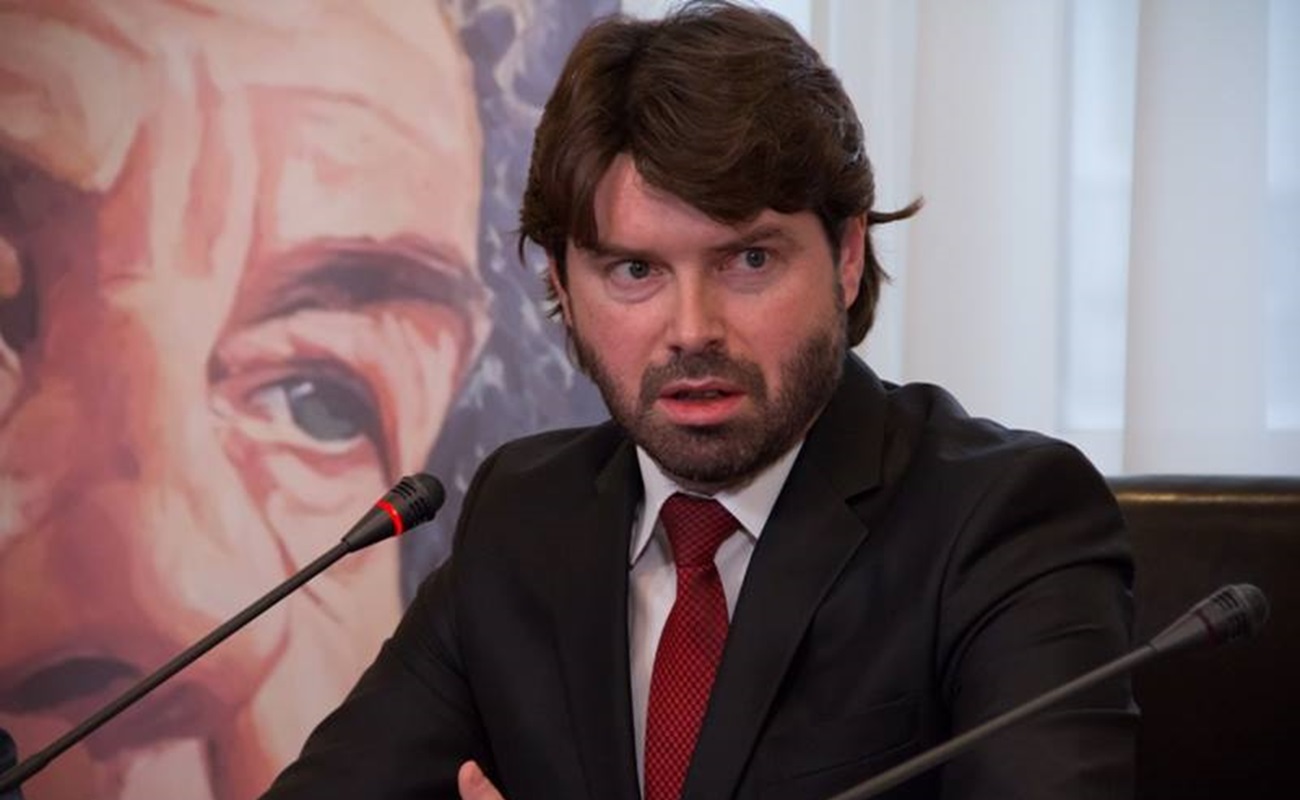
“Russians cannot survive without debt, without credit,” says Igor Lipsits.
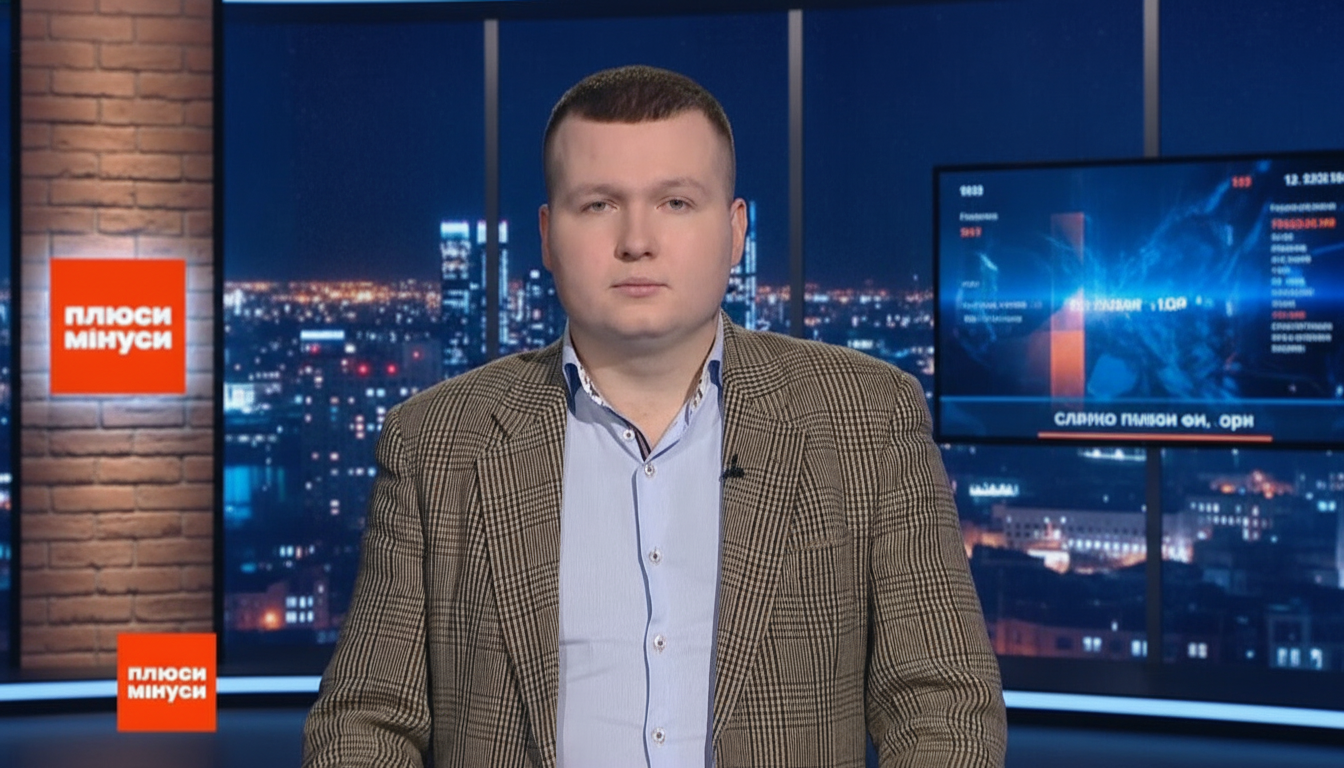
Vyacheslav Shiryaev observes that “Russia is a very cheap country,” which may reflect efforts to adapt consumer demand to new economic realities.
Overall, Russia’s economic crisis continues to intensify, causing concern among the public and businesses, and this will shape the country’s future development.
The situation in Russia displays numerous signs of economic instability that could have long-term consequences for the financial system and social fabric. Capital flight and rising unemployment may fuel social tensions, which in turn could affect the political landscape. Experts stress the need for measures to stabilize the economy, warning that without them, the country risks sliding into an even deeper crisis.
Read also
- Russia Faces Imminent Fuel Crisis: Why Refinery Recovery Is Nearly Impossible, Expert Warns
- Economist identifies Russia's point of no return: why it can never reclaim its place among global economic leaders
- Deadly Fuel Lines in Russia as Authorities Divert Gasoline to Moscow Amid Shortage
- Fuel Crisis Hits Russia: Military Gets Only 30% of Needed Supply After Ukrainian Strikes
- Russia Sets Record in Gold Sell-Off: What It Signals for the Economy
- Putin’s Economic Claims Exposed as Manipulation by Ukraine’s Disinformation Center