Russia's War Debt: A Two-Generation Burden Looms.

Russia's Budgetary Crisis
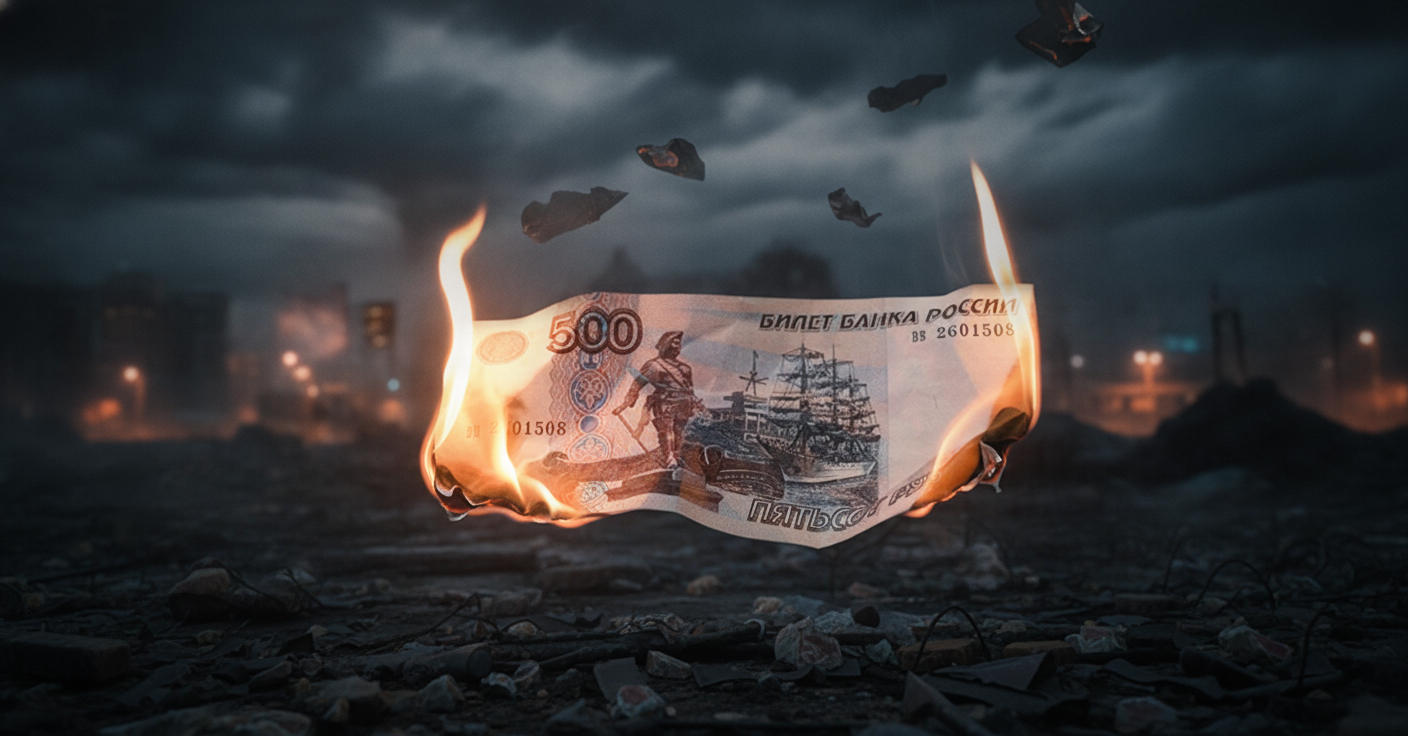
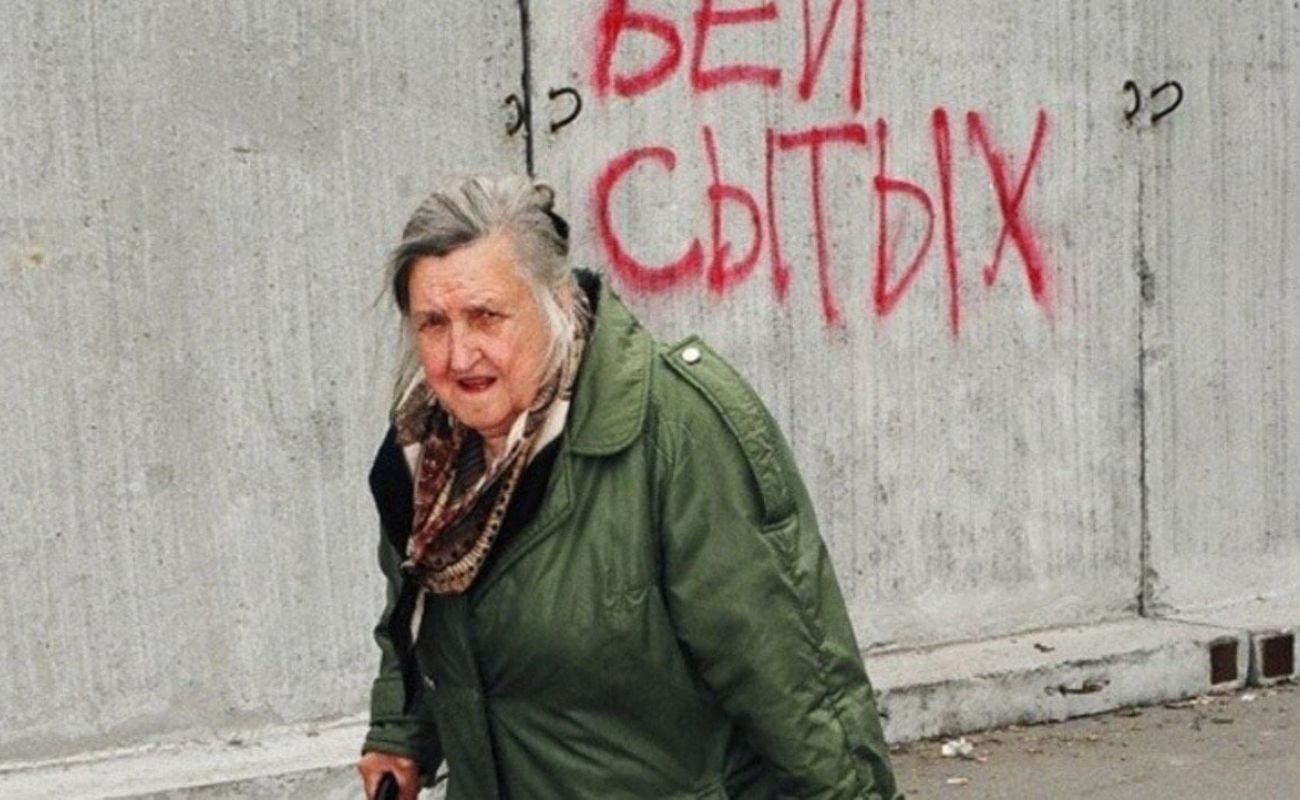
According to UATV: Russia's economy is grappling with a severe budget deficit, forcing the government to borrow heavily from its own citizens. Economists warn that the financial burden of debts accumulated during the war will likely fall on approximately two generations of Russians. The nation's total budget shortfall has reached 8 trillion rubles, a figure causing significant alarm among experts and the public alike. This situation is a direct consequence of the immense costs associated with its military engagement in Ukraine.
As of today, the remaining balance in Russia's National Welfare Fund (NWF) stands at just 4 trillion rubles. This reveals the government's severely limited reserves for covering the deficit. Projections indicate that Russia's debt could balloon by 8 to 15 times by the year 2042, pointing to protracted financial difficulties the country will face in the coming decades.
Government Strategy and Consequences
The Russian government plans to continue borrowing through 2042, highlighting its need for additional resources to cover current expenditures. The interest rate on servicing this debt is 16% annually, a rate substantially higher than the 4% seen in the United States. This disparity places an extra strain on the state budget.
Economist Igor Lipsits noted that 'roughly two generations of Russians will be paying off the debts Russia incurred during the war years.'
His remarks underscore the gravity of the situation and its potential impact on future generations. Lipsits added, 'This isn't me talking, it's the Russian government,' emphasizing that information about the budget deficit and debt obligations is official. The economist's comments highlight the long-term domestic price of the conflict.
Consequently, Russia's economic outlook is concerning as it contends with a massive budget gap and the necessity of raising funds. Future forecasts suggest enduring financial hardships that will affect citizens' lives. The government's subsequent steps in this area may include:
- raising taxes
- cutting social spending
which, in turn, could lead to negative social repercussions. Amid mounting debt and high servicing costs, the situation may worsen unless effective measures to stabilize the economy are found.
Read also
- Wildberries Warehouse Fires Cause 180 Billion Rubles in Damages: Assessing Russia's Losses
- Kazakhstan Oil Exports at Risk as Caspian Pipeline Shuts Down Operations
- Asian gasoline imports mark Russia's fuel crisis spanning 11 time zones
- Missile Strikes Reshape Housing Demand: Ukrainians Increasingly Look to Relocate Westward
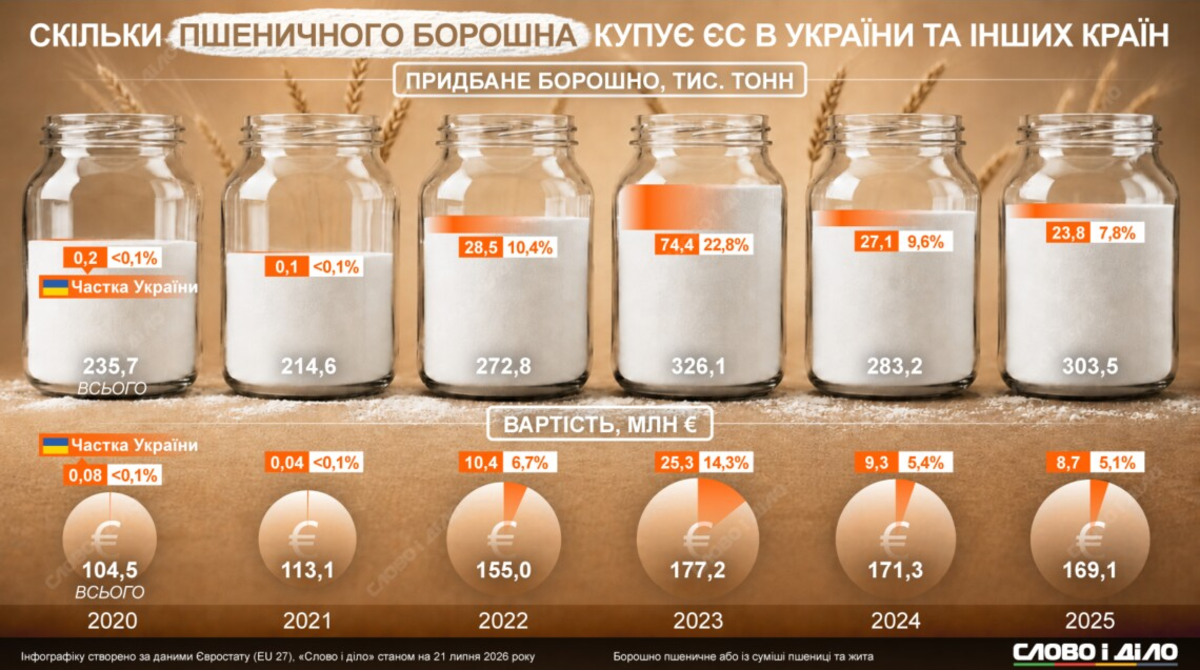
- Ukrainian Flour Exports to the EU Surge 119-Fold: What Drove the Growth
- Russia’s Weekly Revenue Losses Top $1 Billion After Ukrainian Drone Strikes on Maritime Routes