Russian Fuel Depots Flood Courts with Lawsuits Over Destroyed Oil After Ukrainian Strikes.

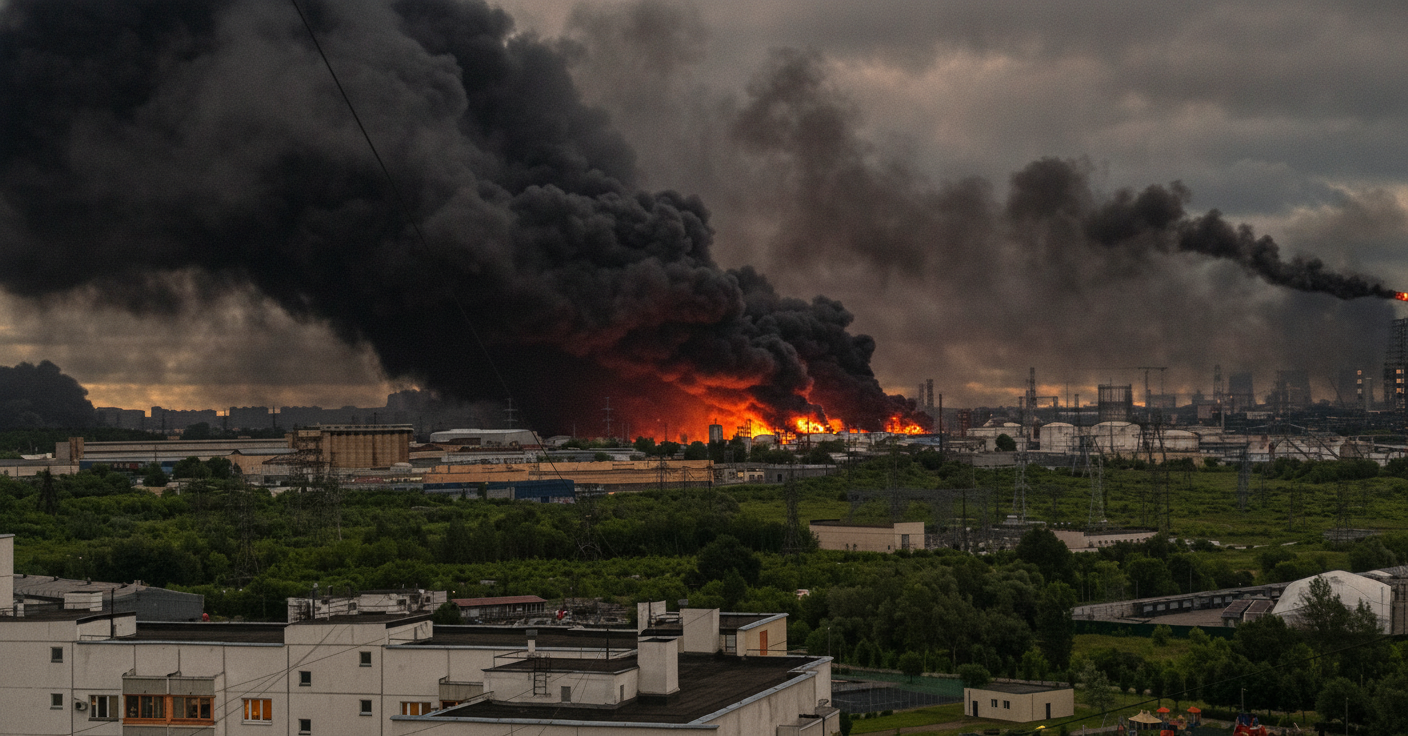
Court Case Analysis in Russia
According to Espreso.tv: A review of legal disputes in Russia seeking compensation for fuel losses from drone attacks on oil depots highlights the severe toll of the country's fuel crisis. In February 2026, the Moscow Arbitration Court ordered the Crimean 'Sea Oil Terminal' to pay over 8.4 million rubles, a ruling tied to damages the facility suffered during strikes. Back in October 2024, the same terminal saw 132 tons of AI-92 gasoline and nearly 24 tons of diesel go up in flames, underscoring the scale of destruction.
Additionally, in June 2024, the 'Platonovskaya Oil Depot' faced losses when it failed to recover more than 80 tons of gasoline wiped out in an attack. In April 2026, the Millerovo Oil Depot won a case involving 223 tons of fuel that burned in August 2025. These court decisions show enterprises scrambling to recoup damages from relentless assaults on Russia's refining infrastructure.
Impact of Attacks on the Fuel Crisis
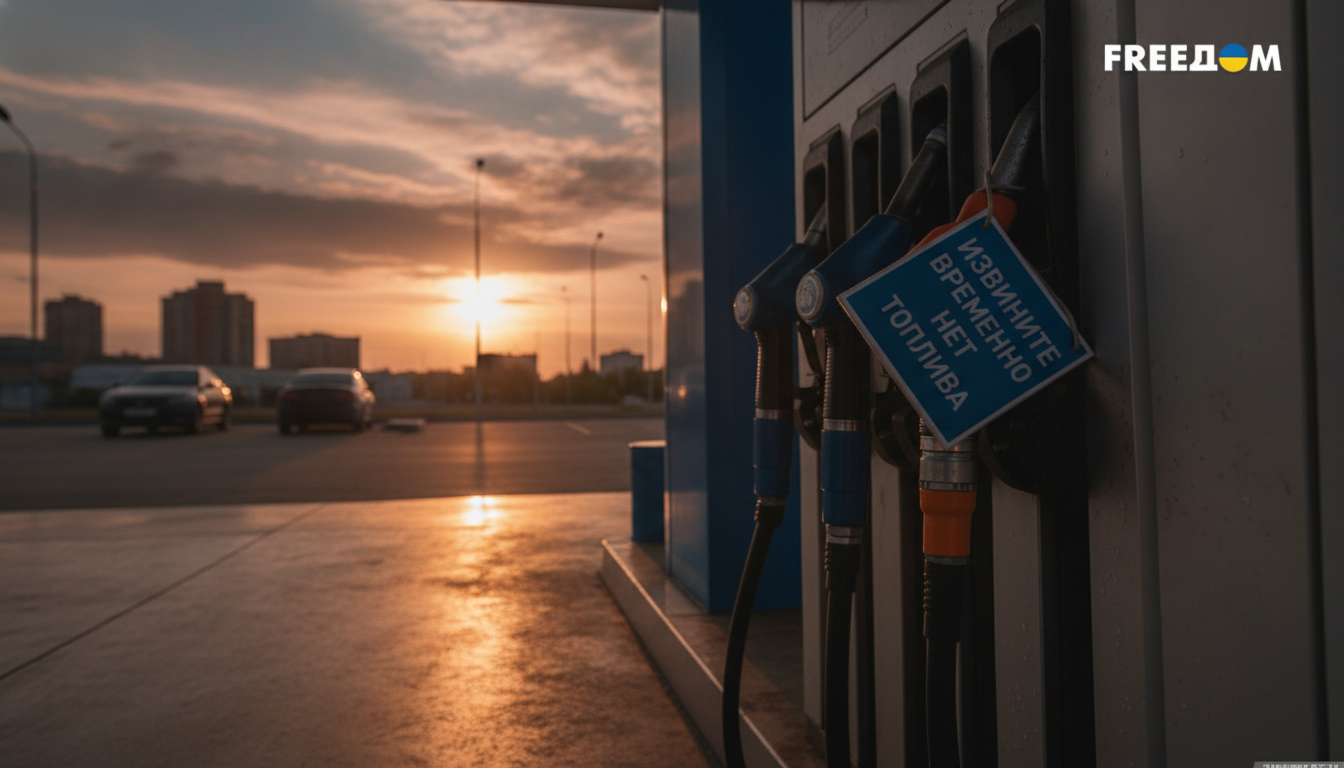
Since the start of 2026, Ukraine's Defense Forces have doubled their strikes on Russian oil depots, slashing refining capacity by over 30%. In May alone, Ukrainian military carried out 30 attacks on oil facilities. These actions, compounded by broader challenges, have triggered a fuel shortage in Russia that began in June 2026. Gasoline rationing has already been imposed across 53 regions of the country.
From early 2026, Russia has incurred at least $7 billion in financial losses due to plant shutdowns and shipment delays. This situation points to deep-seated problems in the nation's fuel sector, which could have lasting economic repercussions.
Amid ongoing depot attacks, Russia faces not only financial hits but also a threat to its energy security. Reduced refining capacity and gasoline restrictions could spark social and economic fallout, including rising fuel prices and potential public unrest. Given this, monitoring further developments in this area is crucial, as they may significantly impact Russia's domestic policy and economic stability.
Read also
- Fear of a New Mobilization Wave Drives Russians to Mass-Buy Property Abroad
- Moscow Admits Fuel Shortage for First Time Amid Drone Strikes: Long Lines at Gas Stations and Crisis Affecting 50 Million Russians
- World Bank Disburses $3.35 Billion to Ukraine: Here’s How the Funds Will Be Used
- Kyiv Public Transport Fare to Rise to 30 Hryvnias Starting July 15: New Pricing and Pass Options
- World Bank Transfers $3.39 Billion to Ukraine: Here’s How the Funds Will Be Used
- Ukraine to Begin Licensed Production of Patriot Missiles – Key Details