Fraudulent ‘Volunteers’ in Russia Cash In on Army Fundraising: How the Schemes Operate.

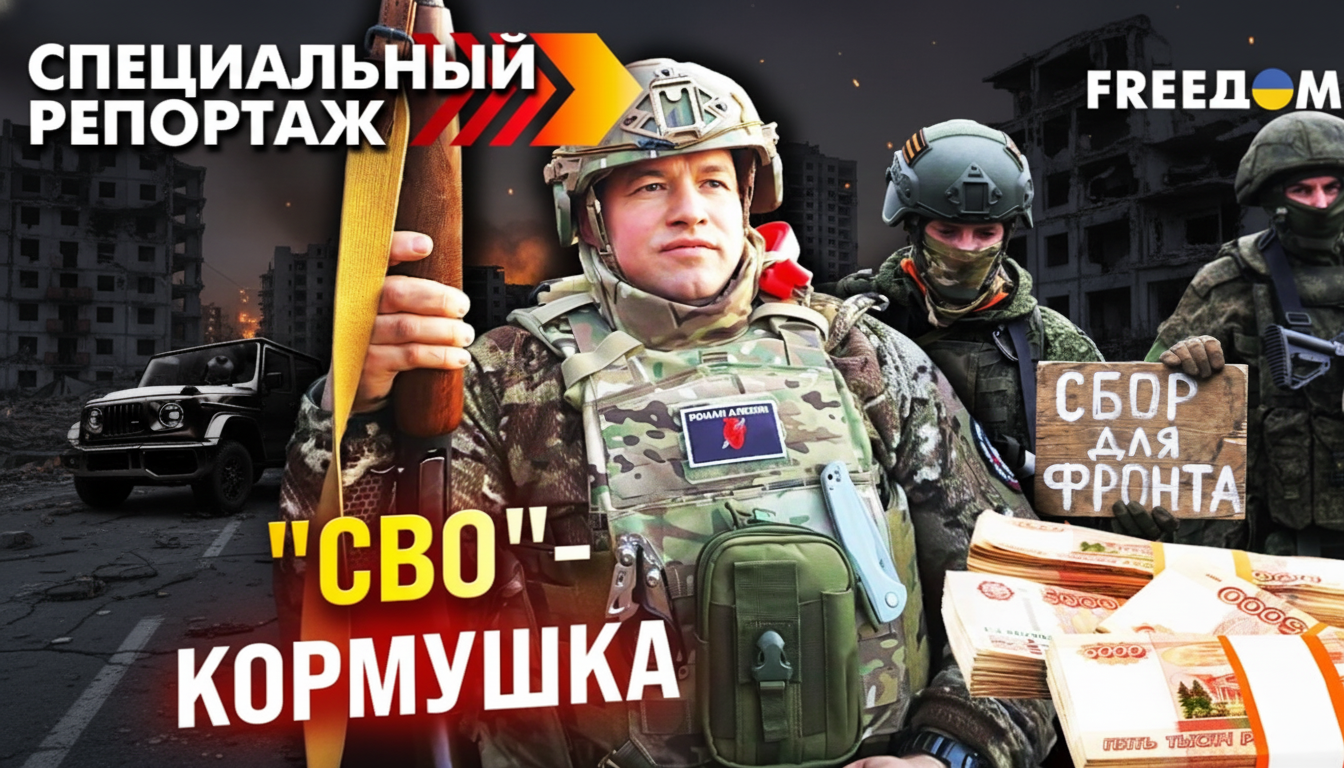
The Dark Side of Volunteering in Russia
According to UATV: In Russia, volunteer initiatives meant to support the military are plagued by serious issues, as fundraising efforts often turn into personal enrichment schemes. Many so-called volunteers use patriotic rhetoric to collect money, but not all funds reach the soldiers—instead, they end up in the hands of middlemen and scammers.
Russian volunteer Roman Alekhin purchased vehicles worth over $130,000, including a Zeekr electric car priced at around $70,000. Meanwhile, a charitable foundation may receive 200 million rubles for medical supplies, yet a portion of that money stays with intermediaries. In the Nizhny Novgorod region, humanitarian aid meant for the military was discovered being sold in stores instead of being delivered.
Olga Kurnosova claims that the resale of humanitarian aid has become common practice in Russia and occupied territories, stating that
“humanitarian aid is being resold because the people who go to markets in the occupied territories… are pocketing the money”.
The Fraud Problem
Additionally, around 100,000 subscribers fell victim to three Russians who created Telegram channels under the name of Margarita Simonyan, deceiving people trying to support the army. Experts believe the biggest money revolves around expensive technologies like vehicles and drones. Dmitry Gudkov notes:
“How many drones were made? A thousand. Actually, 500 were made. Where are the rest? They were shot down”.
The war has spawned a new income stream for 'volunteers' who exploit the situation for personal gain. This has eroded public trust and triggered a crisis in so-called 'z-volunteering'. Alexei Buryachenko emphasizes that “someone is sharing with FSB officers, without whom it definitely couldn’t have happened,” pointing to possible corruption and collaboration with security agencies.
In summary, the problems with volunteering in Russia reveal serious flaws in the system of fund collection and military supply, casting doubt on charitable initiatives and their effectiveness.
This situation reflects broader issues in Russian society, where military and social initiatives are undermined by corruption and a lack of transparency. The loss of trust in volunteer projects could have negative consequences for army support and charity efforts during the war. Given this, it is crucial to scrutinize the mechanisms for overseeing collected funds and ensure greater accountability among fundraising organizers.
Read also
- Care Benefits for Ukrainians Aged 80 and Over: Steps to Apply for Financial Support
- Up to 18,000 UAH per Household: New Agricultural Aid Program Launches in Zaporizhzhia Region
- Neighbors Over Networks: Why People Are Turning to Those Next Door for Support
- Housing Certificates Awarded to Odesa Region Veterans: Who Qualifies for New Apartments
- Deferment for Students: Conditions and the Required State Education Database Certificate
- Lviv Launches New Support Program to Help Veterans Understand the Importance of Decompression