Kremlin Turns to Tax Hikes and Gold Sales to Plug $75 Billion Budget Deficit.

The State of Russia's Financial System
According to UATV: Russia's financial system is under severe strain due to a sharp decline in oil and gas revenues. A 24% drop in these earnings in 2025 has forced three major budget revisions and created a deficit of $75 billion. To cover this shortfall, the Kremlin is implementing new taxes and selling off gold reserves.
Budgetary Shortfalls and New Levies
The Russian Federation's budget deficit for 2026 is projected to reach approximately $70-75 billion (3.79 trillion rubles). To compensate for these losses, a Value Added Tax (VAT) increase to 22% took effect on January 1st. Additionally, taxes for small and medium-sized businesses are set to rise by $7-8 billion.
A key element of the Kremlin's financial policy involves drawing down the gold holdings of the National Welfare Fund (NWF), which have shrunk by 71% since 2022. This highlights the government's active search for new revenue streams. Economists note that Russia is currently surviving on its external economic activity.
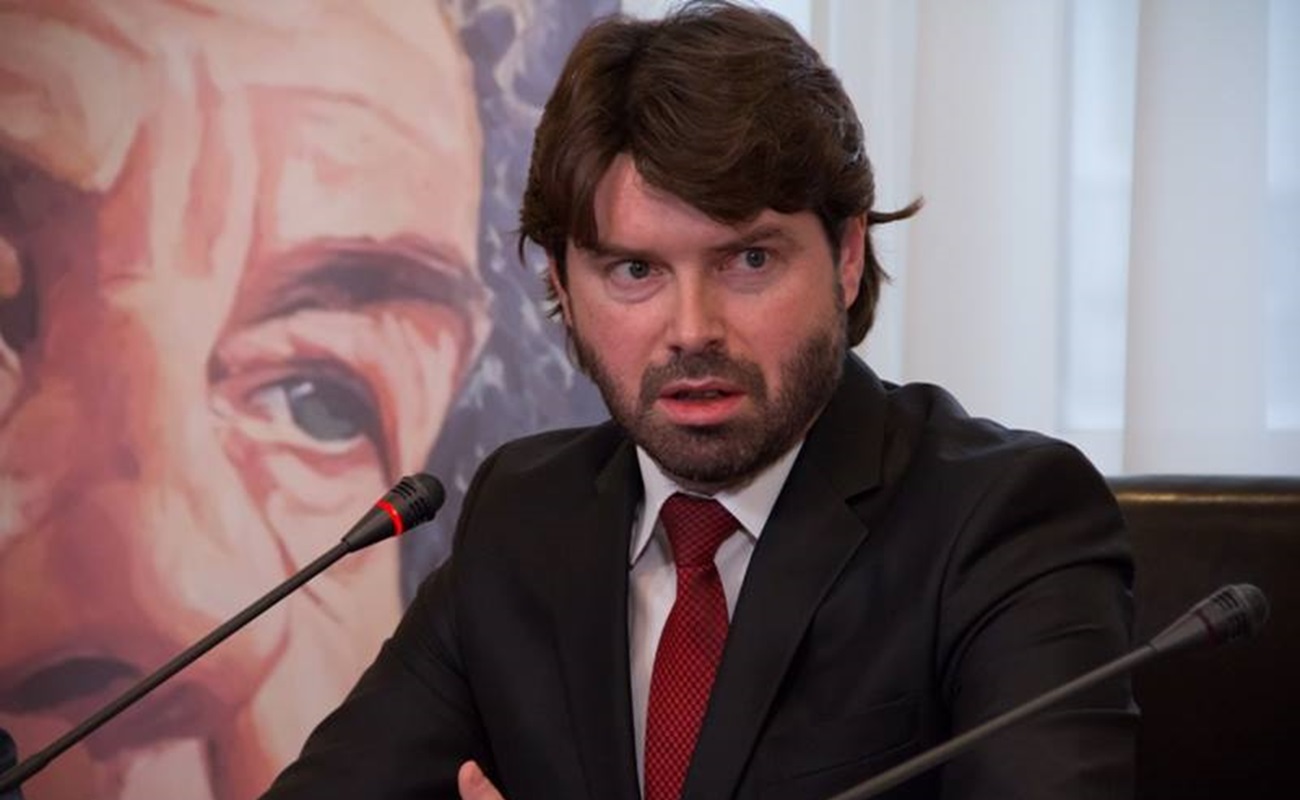
As Oleg Sarkits emphasized, 'All of this will fall on the shoulders of Russians, on the shoulders of the end consumer.'
Furthermore, the production cost for Urals crude oil is $25 per barrel, while its export price is $35. For ESPO blend oil, the production cost ranges from $40 to $45, with an export price of $55. These figures underscore the challenging economic situation in the country, which requires urgent solutions for budget stabilization. This squeeze on energy profits, a traditional pillar of state revenue, is a primary driver of the current fiscal crisis.
Amid these financial difficulties, Russia is also resorting to selling African gold on international markets to meet its funding needs. As one economist noted, 'They sell African gold on external markets and thus earn money.' These measures reflect the Kremlin's attempts to find alternative avenues to cover the budget deficit, which in turn underscores the significance of the ongoing financial shifts within the country.
The situation in Russia points to serious structural problems within its economy that demand a comprehensive reform approach. The falling income from the energy sector, which the economy still heavily relies upon, is forcing the government to seek new sources of financing, a move that could impact social stability. The introduction of new taxes and the drawdown of welfare fund reserves place an additional burden on the population, potentially leading to increased public discontent.
Read also
- IMF Disburses $690 Million Second Tranche to Ukraine: Where the Funds Are Going
- Russia’s Budget Deficit Could Hit 7 Trillion Rubles—What Are the Default Risks?
- Expert Sets Critical Threshold: 60% of Russia's Oil Refining Capacity Must Be Destroyed
- Russia Faces Imminent Fuel Crisis: Why Refinery Recovery Is Nearly Impossible, Expert Warns
- Economist identifies Russia's point of no return: why it can never reclaim its place among global economic leaders
- Deadly Fuel Lines in Russia as Authorities Divert Gasoline to Moscow Amid Shortage