Sanctions and Record Oil Exports: What’s Really Happening to Russia’s Budget.

Russia’s Oil Exports and Gasoline Production: A Mixed Picture
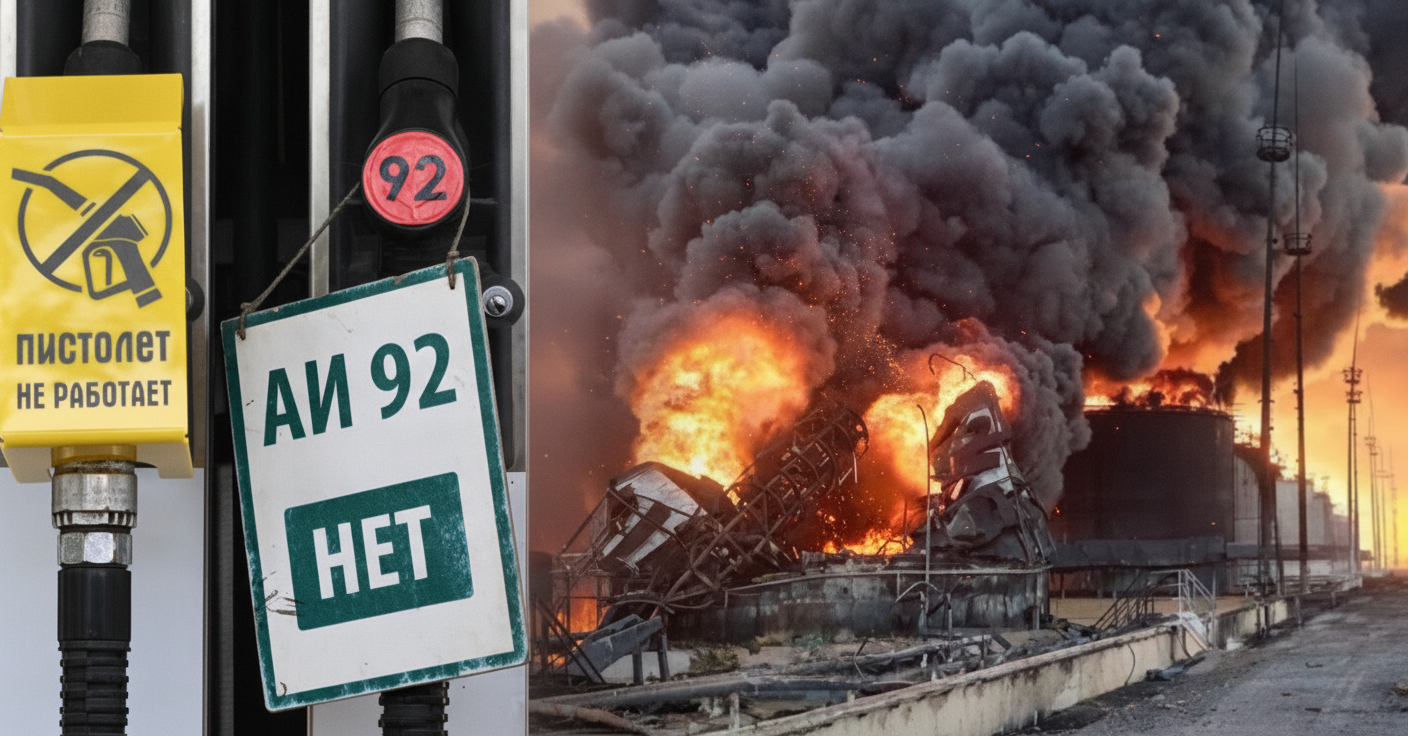
According to Espreso.tv: In May 2023, Russia’s crude oil exports hit their highest level since the war began, signaling the country’s growing ability to adapt to shifting global trade dynamics. Yet just a month later, in June 2023, domestic gasoline production dropped by 25%. This contrast points to internal economic strains, possibly driven by weaker demand or supply chain disruptions.
Data shows that 48% of Russia’s seaborne oil shipments were carried by vessels from the so-called shadow fleet, highlighting the widespread use of alternative routes and schemes to bypass sanctions. Meanwhile, on June 25, 2023, France intercepted the tanker Deliver, and on June 14, 2023, the United Kingdom detained the tanker Smyrtos. These incidents underscore the mounting risks for Russian suppliers as international scrutiny and enforcement intensify.
Outlook and Economic Impact on Russia
Russian oil shipments from ports in June could reach 2.8 million barrels per day, suggesting that despite the drop in gasoline production, the country is still managing to sustain a certain level of exports. However, these figures remain vulnerable to sanctions, which are increasingly complicating supply chains.
As expert Isaac Levy noted, 'More frequent inspections, longer detentions, and stricter fines would significantly raise the cost of evading sanctions.'
This could have serious long-term consequences for Russia’s economy. Additionally, Russia’s budget deficit for the first four months of 2026 reached 5.9 trillion rubles. This figure underscores the severe financial challenges the country faces, likely driven by reduced oil revenues due to international sanctions.
Overall, the trends in oil exports, gasoline production, and fiscal indicators reveal a complex and strained economic situation in Russia, shaped by ongoing restrictions and global shifts.
The state of Russia’s oil and fuel markets highlights the major hurdles the country must navigate as international sanctions tighten. The combination of falling gasoline output and record-high crude exports suggests that while Russia may appear successful on the global stage, its domestic economy could be facing a deepening crisis. Any further changes in international policy or sanctions could significantly impact Russia’s economic stability. It is crucial to monitor these developments, as they may have far-reaching implications for both Russia and the global energy market.
Read also
- Fuel Shortage Spreads Across Russia as Moscow Diverts Siberian Gasoline Supplies
- Russia Sells Off Gold at Record Pace: Central Bank Unloads 44 Tons in Six Months
- Russia’s Wheat Exports Set to Hit Lowest Level Since 2017 – Here’s Why
- Wildberries Warehouse Fires Cause 180 Billion Rubles in Damages: Assessing Russia's Losses
- Kazakhstan Oil Exports at Risk as Caspian Pipeline Shuts Down Operations
- Asian gasoline imports mark Russia's fuel crisis spanning 11 time zones