Growing Rift in America’s Religious Right Coalition Over the Iran War: What’s Behind the Divide.

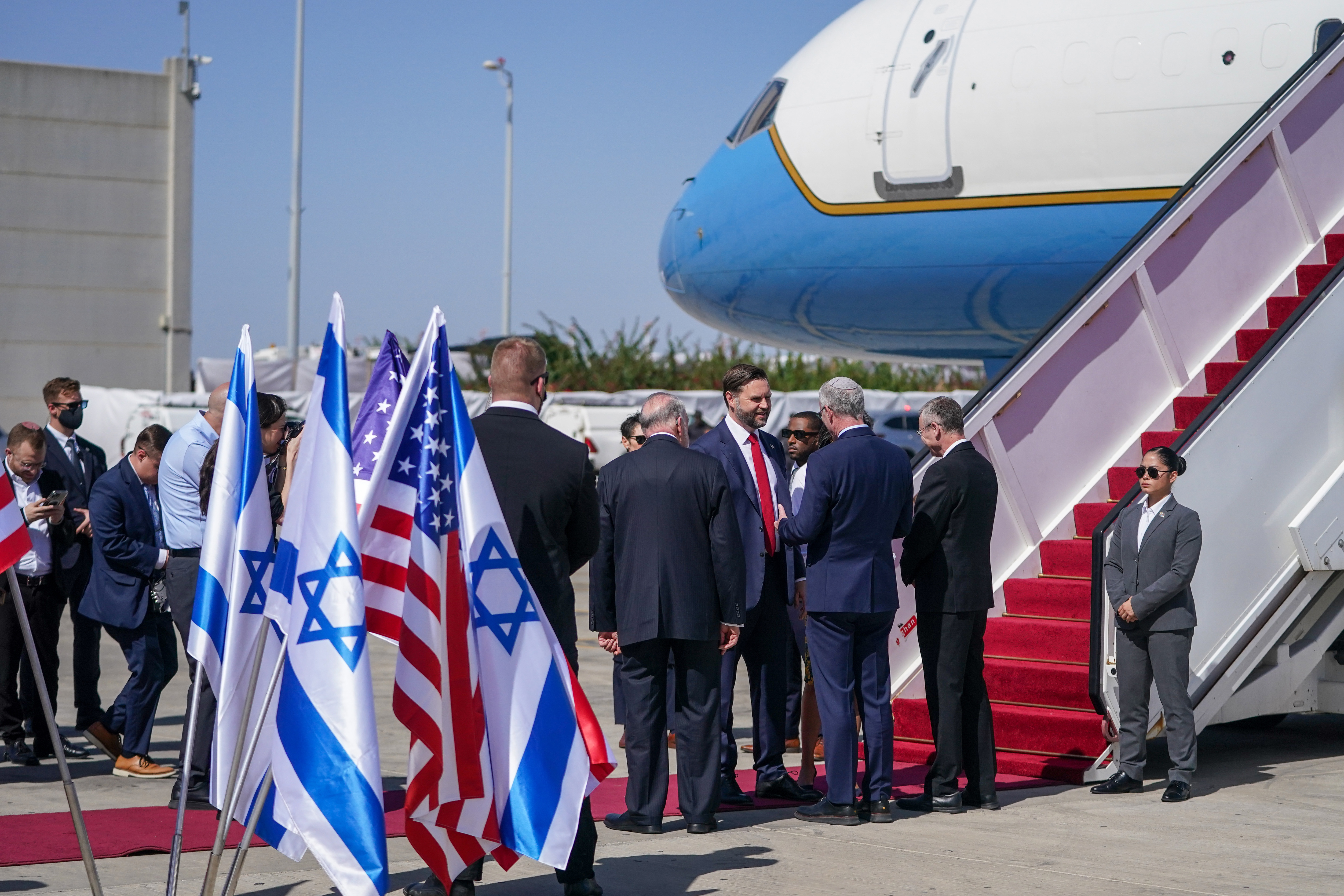
Fractures Deepen Within the U.S. Religious Right Coalition Amid the Iran Conflict
According to Vox - Загальний: The ongoing U.S.-Israel military campaign against Iran, now nearly a month old, has ignited intense debate within America’s right-wing political alliance—especially among religious conservatives. Differing views on Israel’s role, the nature of its relationship with the United States, and the influence of faith on political stances are driving a wedge through this once-unified bloc.
Among the most vocal participants in these discussions are potential 2028 presidential candidates like Ted Cruz and J.D. Vance. Their contrasting positions are fueling rising tensions among religious conservatives, who have historically been staunch supporters of strong ties with Israel.
Religious Leaders Respond
In response to the growing friction, the leadership of the Catholic Church in the United States has publicly condemned antisemitism and reaffirmed the church’s teachings on religious freedom. Archbishop Alexander Sample of Portland released a video message denouncing antisemitism and stressing the importance of standing with the Jewish community. Other prominent Catholic figures, including Bishop Robert Barron and Cardinal Timothy Dolan, have also voiced their disapproval of the views held by Kerri Prejean Baller.
“Why have you betrayed us?” — Kerri Prejean Baller
This situation highlights not only the complexity of U.S. political relationships but also the powerful role religious beliefs play in shaping political positions. The implications for the Republican Party could be significant, as a split among religious conservatives may erode their support in upcoming elections.
In short, the U.S.-Israel war against Iran has forced religious conservatives into deep reflection, challenging their traditional alliances and creating new obstacles in the country’s political landscape. With the 2028 presidential race on the horizon, these internal conflicts could substantially alter candidate strategies and reshape the broader dynamics of Republican support. A widening rift may lead to shifts in campaign platforms and policy directions, ultimately impacting the future political course of the United States.
Read also
- NATO Warned of Potential Russian Provocations in Poland and the Baltics: Key Details
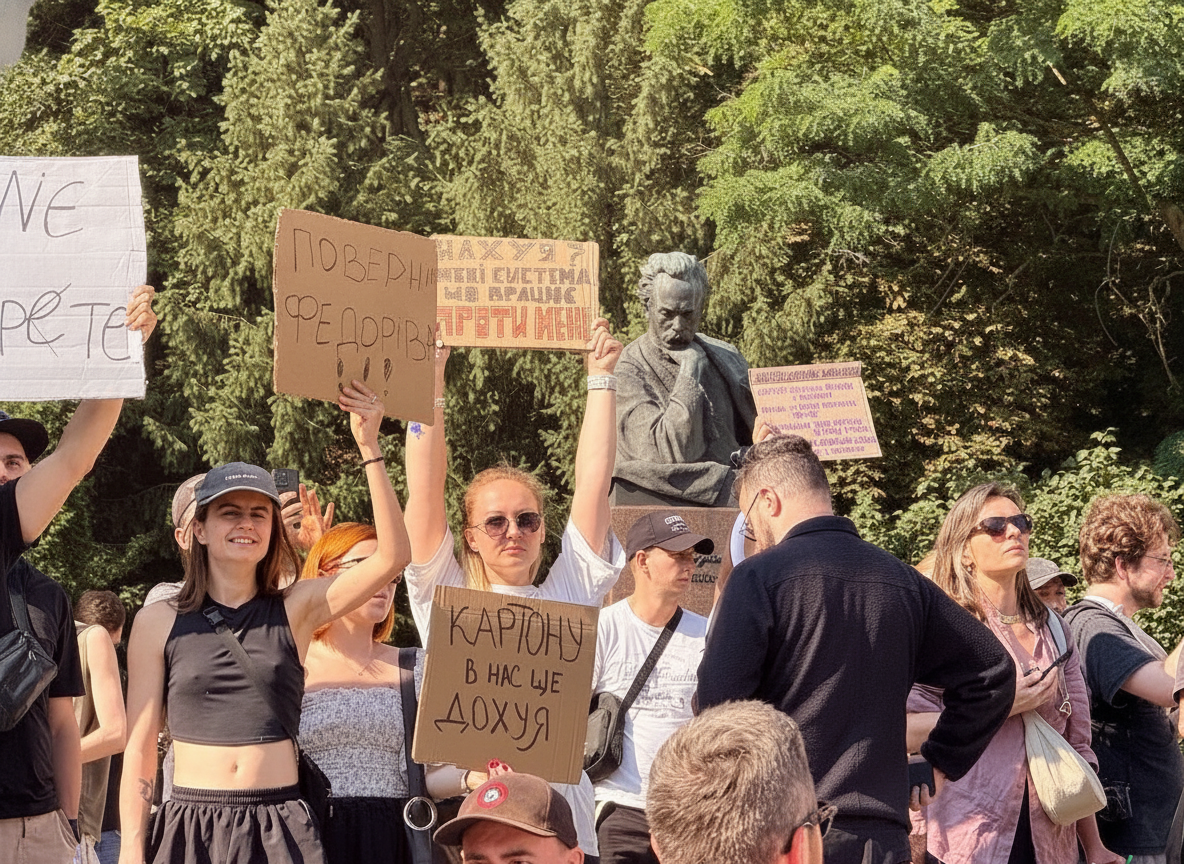
- Protests and Military Repression Following the Ouster of Defense Minister Fedorov
- Andy Burnham Emerges as Top Contender for UK Prime Minister: A Profile
- Ukraine’s EU Accession Talks: New Clusters Announced by President Zelenskyy
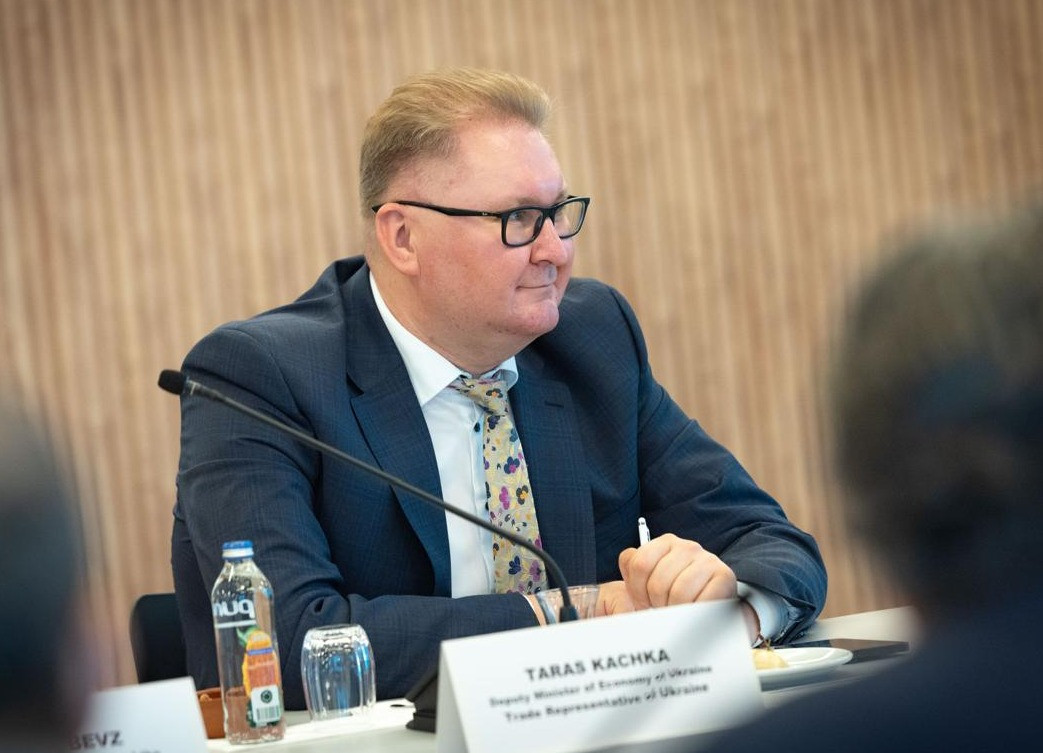
- Zelenskyy Picks Taras Kachka to Lead Ukraine’s Mission to the EU
- Putin’s Approval Rating Plunges to 66% as Russia’s Fuel Crisis Worsens