Russia's Strategic Blunders in War: Professor Warns the Cost of Aggression Will Keep Rising.

Analyzing Russian Aggression and Azerbaijan's Role on the Global Stage
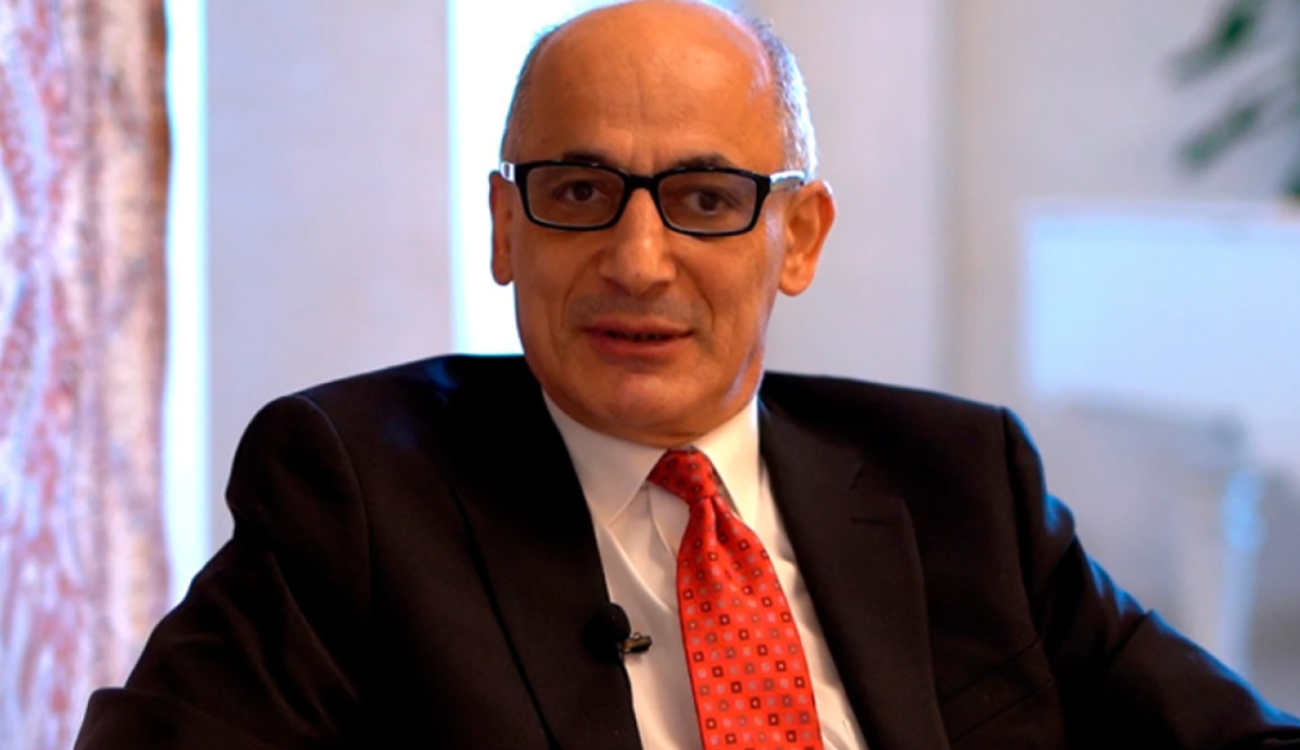
According to UATV: Political science professor Ramiz Yunis has weighed in on Russia’s war against Ukraine, Azerbaijan’s place in international relations, and the strategic missteps Moscow has made during the conflict. He argues that in today’s geopolitical climate, it is crucial to examine colonial histories—particularly the period Azerbaijan itself endured. At the 4th Shusha Global Media Forum, Azerbaijani President Ilham Aliyev stated that his country is the legitimate successor to the Azerbaijan Democratic Republic of 1918–1920, highlighting how historical identity shapes modern development.
War, Diplomacy, and Shifting Alliances
The conflict between Azerbaijan and Armenia stretched on for more than 30 years. By September 2020, Azerbaijan had reclaimed its occupied territories—a milestone that helped reshape its foreign policy. Today, its relationship with the United States has reached the level of a strategic partnership. The forum drew attendees from Argentina, Japan, the United States, as well as African and European nations, underscoring Azerbaijan’s growing international influence.
Ramiz Yunis also noted that
'nothing will return Abkhazia and the Tskhinvali region to Georgia, Transnistria to Moldova, or Crimea and Donbas to Ukraine'.
He observed that
'when a country becomes a middle power, it begins to act accordingly'. According to him, 'Ukraine now has the strongest military in Europe among non-NATO countries'. This reflects Ukraine’s rising military capacity in the face of Russian aggression.
Yunis further commented that 'when the price of war continues to climb, the situation will inevitably shift'. He warned that Russia is following a trajectory similar to the Soviet Union’s, which could lead to further strategic errors in its foreign policy. These remarks highlight the intricate nature of global diplomacy and the need to understand historical contexts in modern conflicts.
Yunis’s analysis underscores how historical factors continue to shape contemporary politics and international relations, while also emphasizing Azerbaijan’s active role on the world stage. With the war in Ukraine ongoing and tensions between Russia and the West intensifying, his observations serve as a reminder that understanding the past is essential for grasping today’s conflicts. Ukraine’s growing military strength and its strategic partnership with Azerbaijan may significantly influence future developments in the region.
Read also
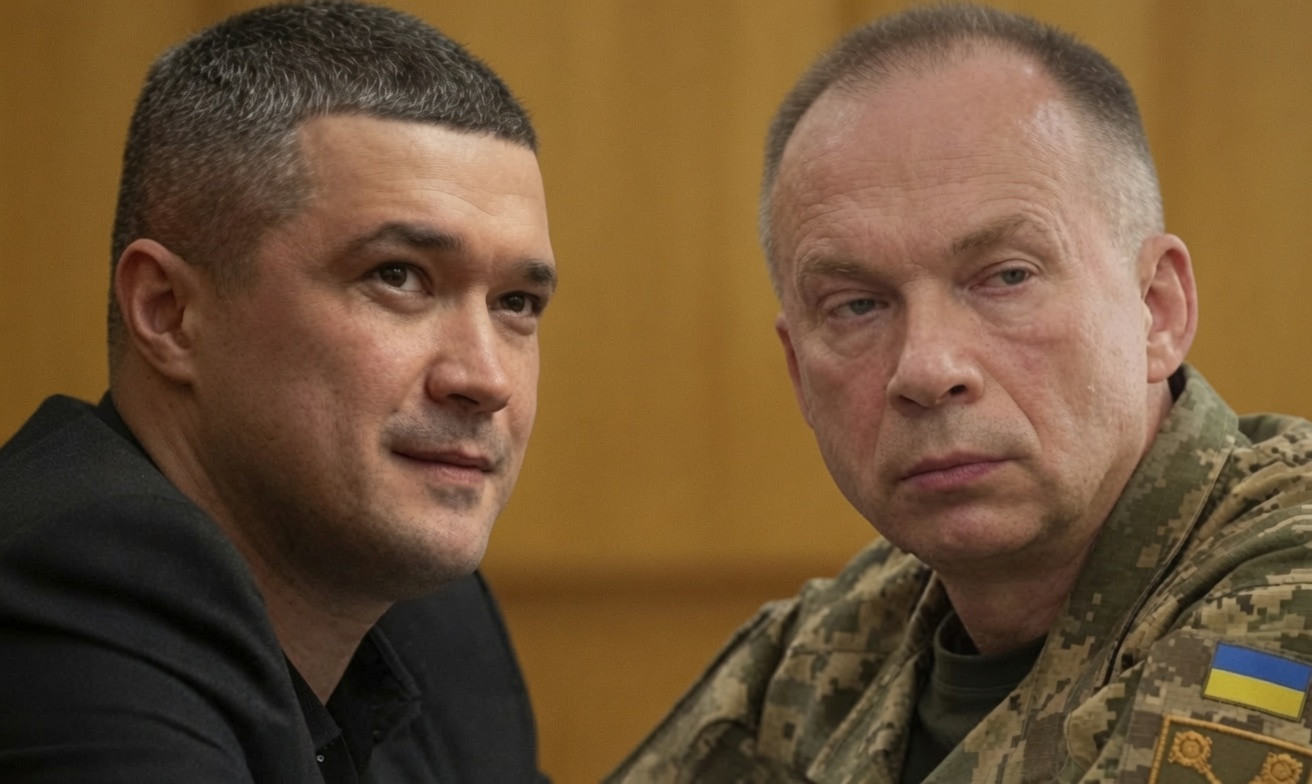
- Tensions Between Syrskyi and Fedorov: What Leadership Shifts Are Coming for Ukraine’s Armed Forces
- Trump Alleges Leak of 220 Million U.S. Voter Records, Demands Investigation
- 11 Major Issues Signal Zelensky’s Losing Grip on the Military
- Trump Declares Victory Over Iran as New Strikes Hit the Strait of Hormuz, Resuming War
- Over 60 U.S. Senators Back New Russia Sanctions: What's at Stake
- EU at a Crossroads: Latvia’s Premier Urges Tougher Sanctions on Russia as 21st Package Stalls