Over 60 U.S. Senators Back New Russia Sanctions: What's at Stake.

Updated Bipartisan Sanctions Bill Gains Momentum
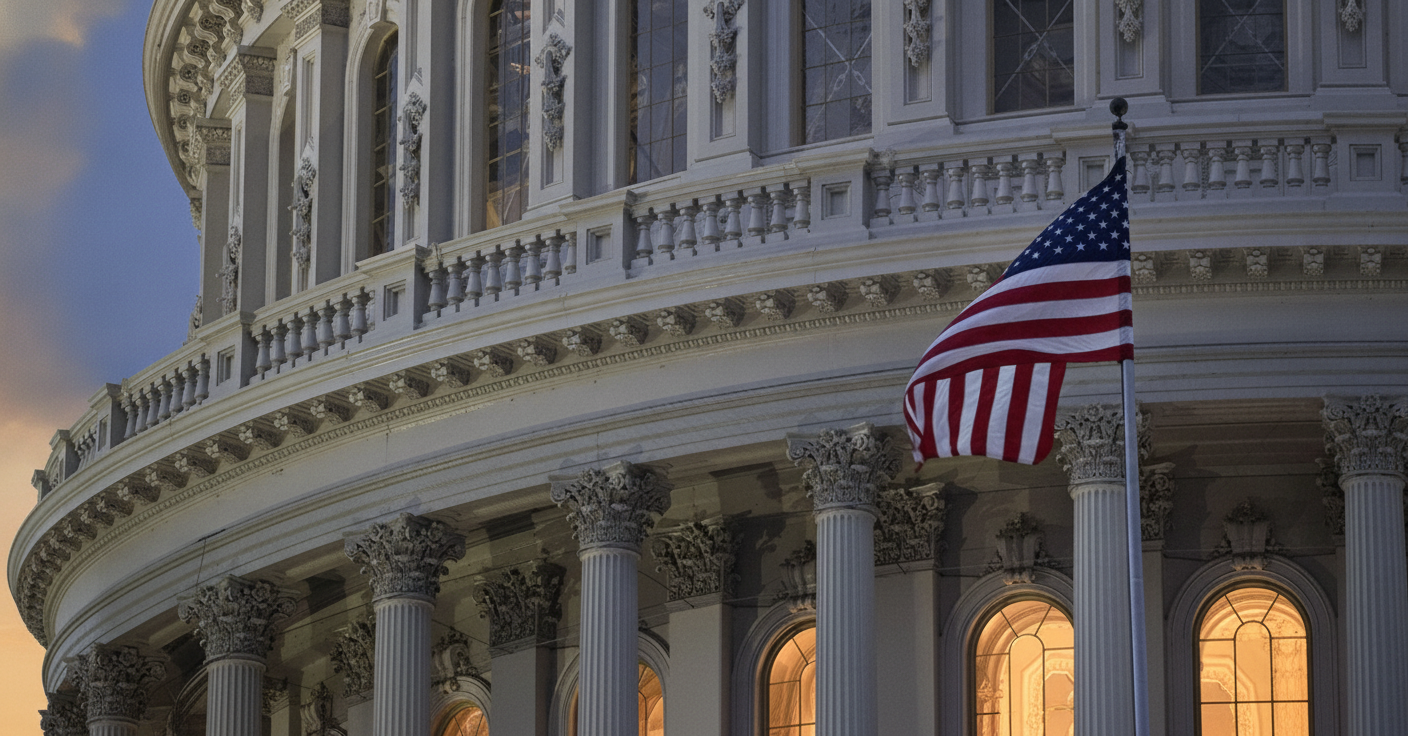
According to Espreso.tv: A newly revised bipartisan bill targeting Russia with additional sanctions has secured support from more than 60 U.S. senators. Its core measure would impose 100% secondary tariffs on imports of Russian energy resources. However, the bill's passage hinges on being brought to a vote—currently the main obstacle to its enactment.
According to available information, at least 61 senators have endorsed the legislation, including:
- 39 Republicans
- 22 Democrats
The bill is aimed at countries purchasing Russian oil and gas, with China and India being the largest importers of Russian energy. Senators are pushing to pass the legislation before Congress's August recess, underscoring the urgency of this initiative in the current political climate.
Why This Matters
In light of this proposal, it is worth noting that on July 10, 2023, Senator Lindsey Graham, during a visit to Kyiv, announced an agreement with the White House on a new sanctions bill. Unfortunately, Graham passed away on July 11, 2023, after returning from Ukraine. His initiative was backed by former President Donald Trump, who on July 13, 2023, voiced support for a bipartisan sanctions package against Russia, stating:
“We are seriously considering it—this is in honor of Lindsey. He wanted this more than anything else.” - Donald Trump
As a result, the fate of new sanctions against Russia remains uncertain, with progress dependent on political decisions in the U.S. Senate. This bill could become a critical tool for intensifying pressure on Russia and its economy, especially amid ongoing international tensions. If passed, the sanctions might reshape the energy policies of countries still importing Russian resources, pushing them toward alternative energy sources. The bipartisan backing also signals the seriousness of U.S. government intentions regarding national security and foreign policy.
Read also
- Why Russia Sees Turkey as a Viable Negotiation Hub: Three Key Reasons
- Trump Alleges Leak of 220 Million U.S. Voter Records, Demands Investigation
- Trump Declares Victory Over Iran as New Strikes Hit the Strait of Hormuz, Resuming War
- Turkey Emerges as Potential Venue for Zelenskyy-Putin Talks as Ukraine Signals Readiness for Ceasefire
- Trump to Receive Late Senator Graham’s Bill on Russian Oil Tariffs
- U.S. Senators Draft 65-Page Sanctions Bill: Tariffs Up to 100% Target Key Russian Energy Buyers