Sainsbury’s raises the price of its premium lunch: how much does lunch cost now.

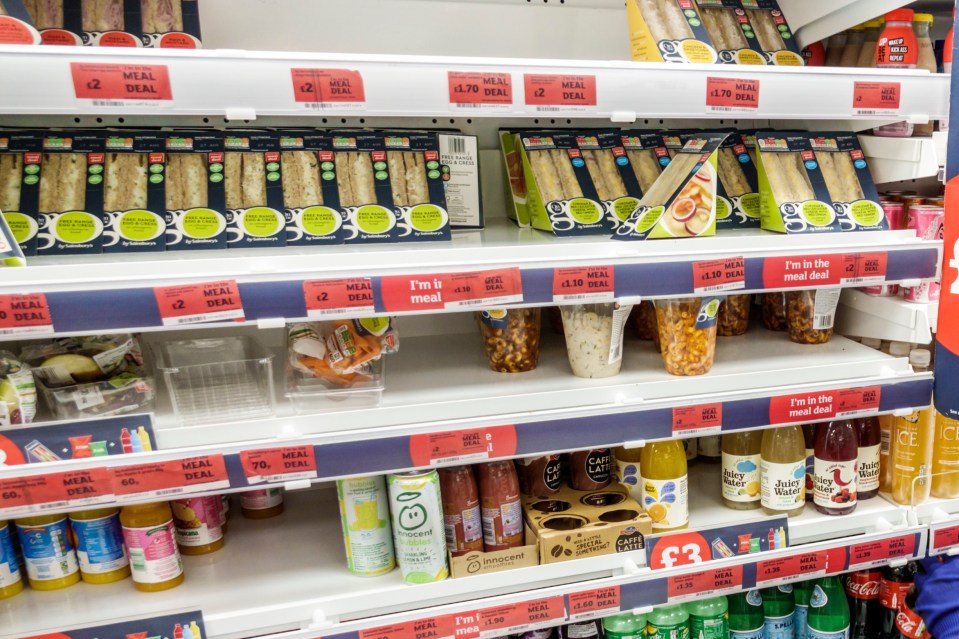
According to The Sun: The Sainsbury's supermarket chain has increased the price of its premium lunch set by 50 pence, just a few weeks after a similar decision by Tesco.
The cost of this set now stands at £5.50, which is £0.50 more than before (£5).
Sainsbury’s raised the price of its premium lunch set from £5 to £5.50 GettySainsbury's representatives noted that they have managed to keep the price stable for almost three years, and recently they added 14 new main dishes to the set.
Meanwhile, the standard lunch set remains at the same price - £3.95.
Description of the Premium Lunch Set
The premium lunch set includes a main dish, a side, and a drink, offering millions of combinations to choose from.
Popular main dish options include a sandwich with brisket and caramelized onions, haloumi wrapped with roasted vegetables and pesto, as well as a salad with hot smoked salmon and potatoes.
Snacks can vary: fruits, chips, chocolate bars, and drinks include Müller milkshakes or Arctic Coffee lattes.
“We have kept the price of our premium lunch set stable for almost three years and continue to do everything we can to offer our consumers the best choice, quality, and value,” the company stated.
Prices for Other Sets
The price of the Kitchen Deli set remains unchanged - £7.
Sainsbury's also raised the price of its standard lunch set in June from £3.75 to £3.95, which caused dissatisfaction among customers and staff.
One customer joked that this is “the end of times,” while another noted that he “had to double-check” when he learned about the price increase.
On the other hand, The Sun reported last month that Tesco also raised the price of its standard lunch set, which increased from £3.60 to £3.85 for club cardholders.
The premium lunch set from Tesco also rose to £5.50 - £6 without a club card.
Special offers for lunches at Tesco and Sainsbury's increased from £12 to £15 with loyalty cards.
Gabriel Bray, development manager at Good Food Studio, pointed out that even after price increases, customers can save up to 50% compared to buying items separately.
“Lunch sets remain a key solution for busy workers seeking a quick and affordable meal,” he emphasized.
“Studies show that 51% of employees in the UK are driven by convenience when choosing lunch sets, while 24% use them to control costs.”
“Price increases always pose challenges for consumers and retailers alike. However, Sainsbury's is trying to add value, not reduce it, by offering a wide selection at competitive prices,” he added.
“We hope that prices will remain stable to provide customers with a reliable and economical lunch option.”
How to Save on Grocery Shopping
Money-saving experts at HSBC UK shared their top tips for saving on grocery shopping.
1. Set a budgetCreating a budget enables you to track your spending. Start by analyzing how much you've spent on food over the past three months, then allocate a specific amount for each month.
2. Plan your mealsCreate a list of meals for the upcoming week, including the necessary ingredients, and stick to it. Avoid the temptation to buy what you don't need. If you have leftovers, think about how to use them first.
3. Think about the time and place of shoppingShop when you're not hungry to avoid impulse buying. Go to the supermarket less often - it will help you think better about your purchases.
4. Use online shoppingOnline shopping is a convenient way to control your budget and avoid impulse spending.
The price increase of Sainsbury's lunch sets highlights the overall trend of rising food costs that consumers face in the UK. Despite this, such sets remain a cost-effective option for busy individuals who value convenience and variety. Against the backdrop of price changes, chains continue to compete, seeking to attract customers through new offerings and added value. Consumers should be mindful of price changes and consider opportunities for savings to keep their budget in check in this challenging economic environment.
Read also
- Strike on Russia’s Largest Oil Refinery Raises Fears of Fuel Shortages
- Ukrainian drones halt Russia's largest oil refinery, worsening gasoline shortages
- Over 1,000 New Weapons Systems Fielded by Ukraine, with 90% Domestically Produced
- Russia's Fuel Crisis: Government Spins Negative Impacts as Benefits for Citizens
- Water Bills Set to Surge in July 2026: Who Will See Their Subsidies Adjusted
- Up to 500,000 UAH in Compensation for Destroyed Homes: Inside Ukraine’s Housing Recovery Program