Fuel Crisis and Price Surge in Crimea Following Joint Ukrainian Military Strikes on Russian Logistics.

Strikes on Russian Military Assets in Crimea
According to UATV: Ukraine’s Security Service (SBU) and Armed Forces have carried out a series of successful operations targeting Russian military logistics in Crimea, specifically hitting infrastructure that sustains Russian troops in southern Ukraine. These actions have triggered a fuel shortage and driven up prices across the region.
During the operation, the SBU destroyed three hangars containing aircraft equipment at the Hvardiiske airbase. Additional strikes hit a Pantsir-S2 air defense system near Simferopol and the TES-Terminal-1 facility in Kerch. On the night of July 6, two fuel tankers—each with a capacity of 7,000 tons—were sunk in the Sea of Azov.
Fuel Crisis Grips Crimea
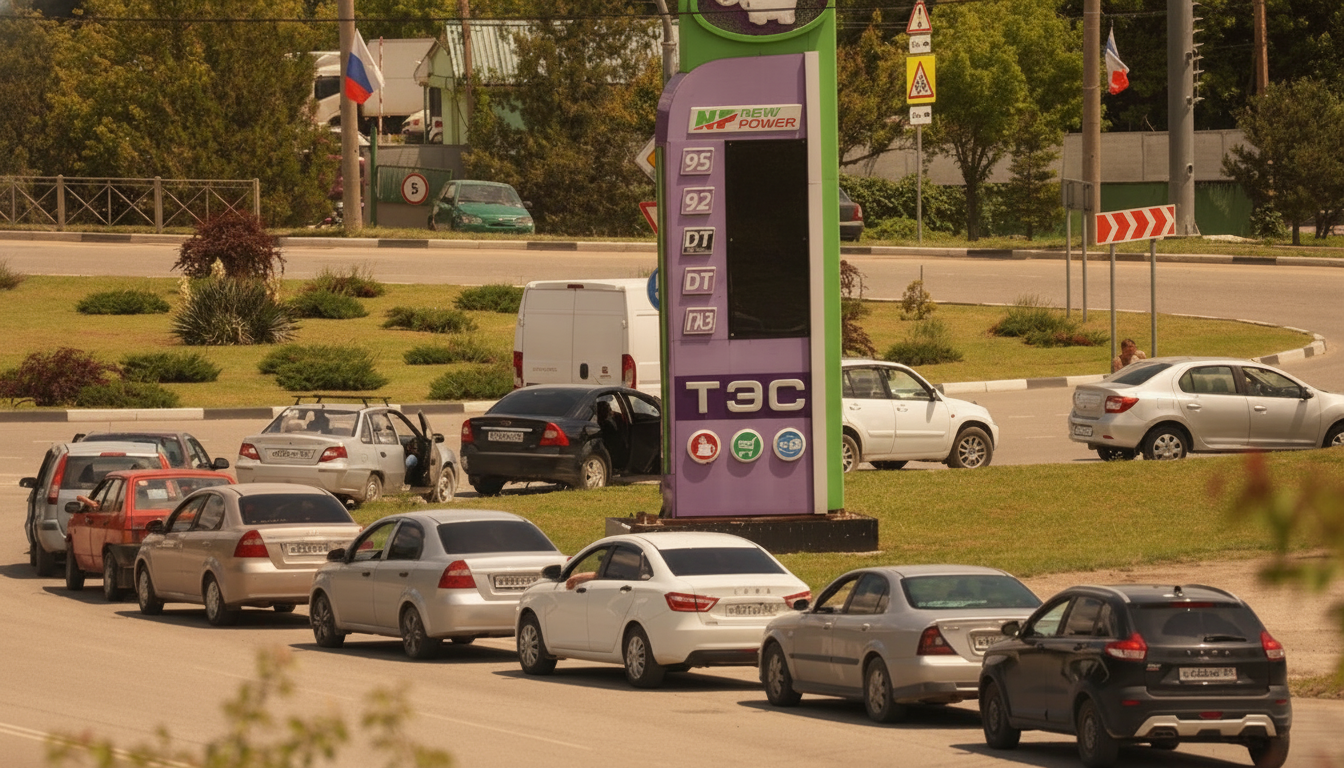
These attacks have led to a severe fuel crisis in Crimea. The price of gasoline has spiked noticeably: by late June, a liter of 95-octane fuel cost between 130 and 150 rubles. As a result, residents are now facing shortages of gasoline and other petroleum products.
Eskender Bariyev commented: 'When it comes to survival, everyone first noticed the lack of gasoline—now a single canister costs over 100 dollars.'
Amid the fuel crisis, rising prices, and intermittent power outages, Refat Chubarov—head of the Mejlis of the Crimean Tatar people—has urged residents of the temporarily occupied peninsula to stockpile drinking water, medicine, and food for two to three months.
Advice for Crimea’s Residents
The situation demands heightened preparedness from locals facing the fallout of ongoing military operations. According to expert Nikita Kuzmenko, 'The development of drones and other strike systems now used by Ukraine’s defense forces has almost completely neutralized Russia’s former advantages.'
As a result, Crimea remains under severe strain. Ukrainian military actions are significantly disrupting the region’s logistics and economy. With prices climbing and resources dwindling, residents must brace for further challenges as the conflict continues. Adapting to these new realities is becoming essential for meeting basic needs.
Read also
- Kostiantynivka Capture Bid Fails: Predicting the Next Wave of Russian Assaults
- Russian Losses Hit $650 Million After Ukraine's GUR Destroys S-400 Triumph in Crimea
- Russian Offensive on Kupiansk and Kharkiv Region Stalls as Vovchansk Remains Uncaptured
- Weekend Toll Hits 14 as Russian Forces Unleash Coordinated Strikes on Ukrainian Cities
- Overnight on July 27: Russia Unleashed 147 Drones on Ukraine, 123 Neutralized by Air Defense
- Russia’s New ‘Banderol’ Cruise Missile Strikes Kharkiv and Odesa – Key Details