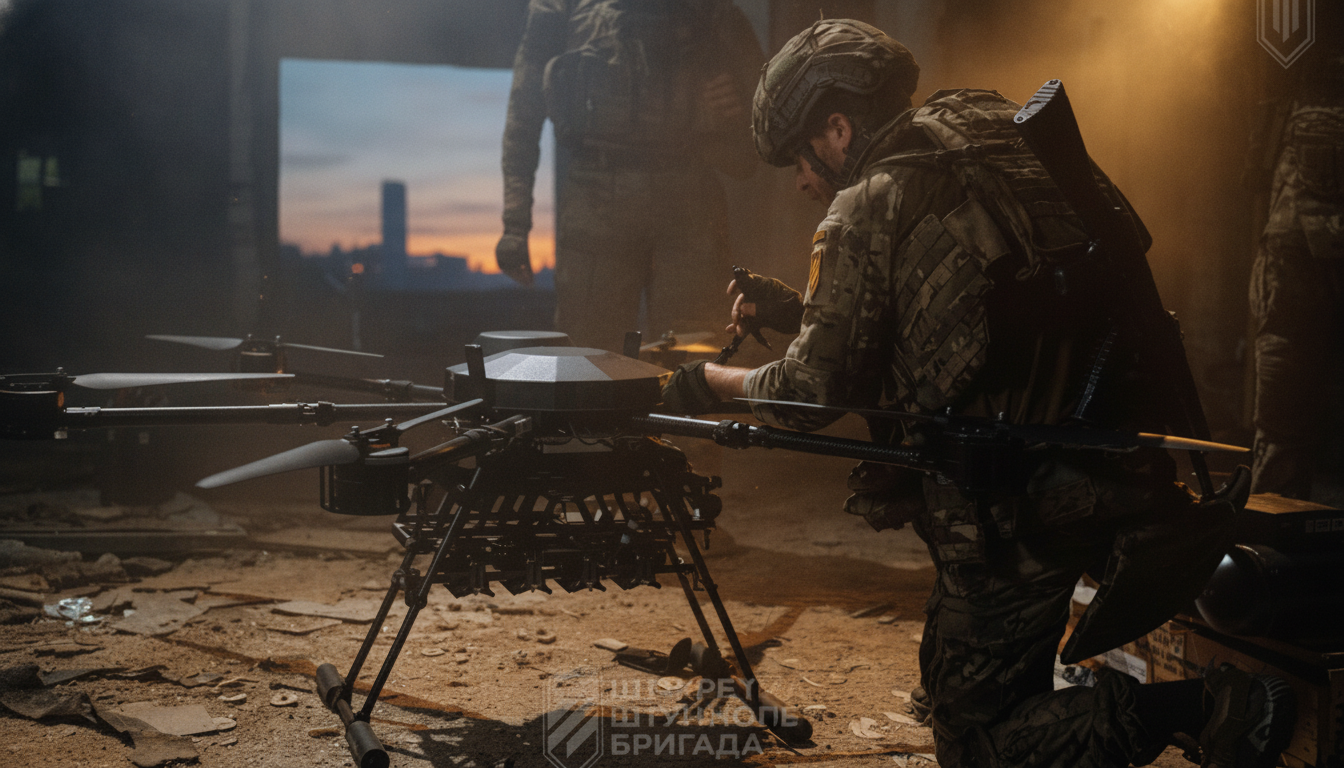
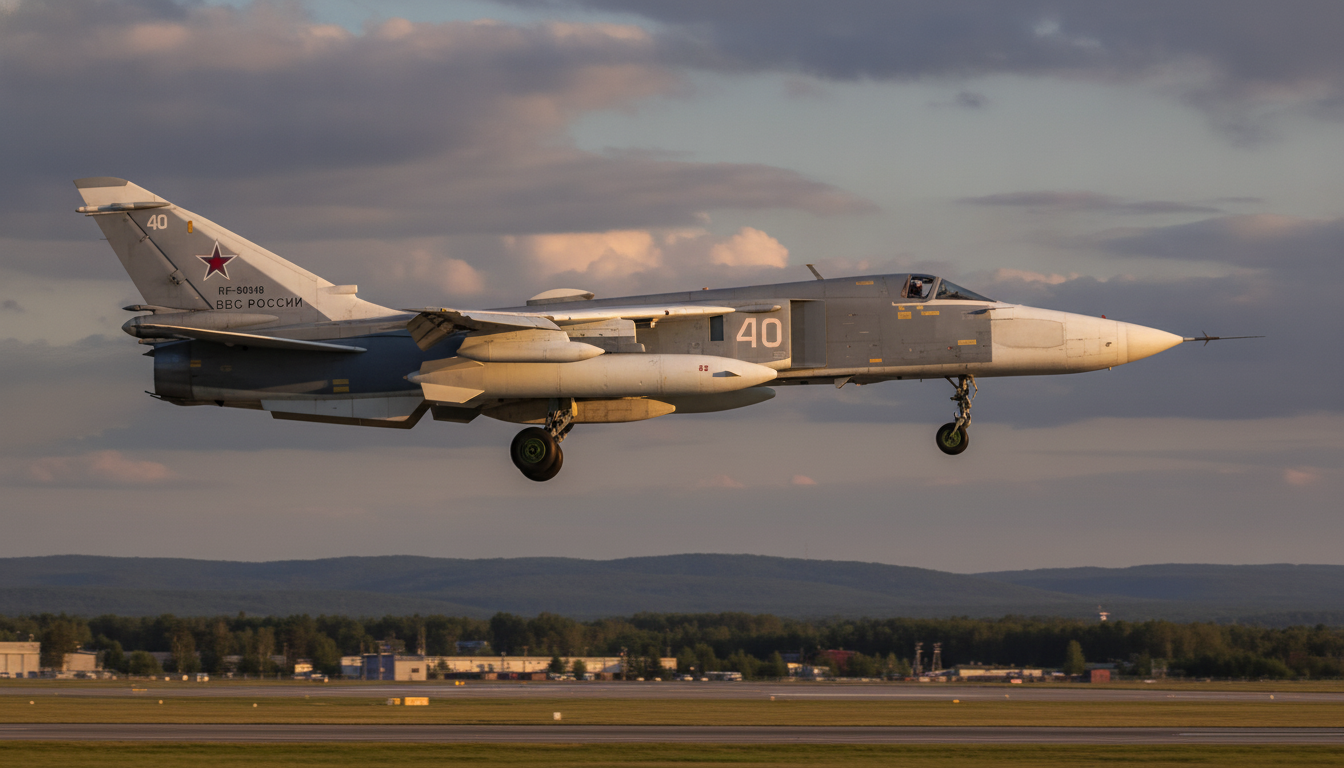
Radiation levels spike from drone debris as Ukraine records new Russian attacks using depleted uranium munitions.

Depleted Uranium Weapons in Active Use
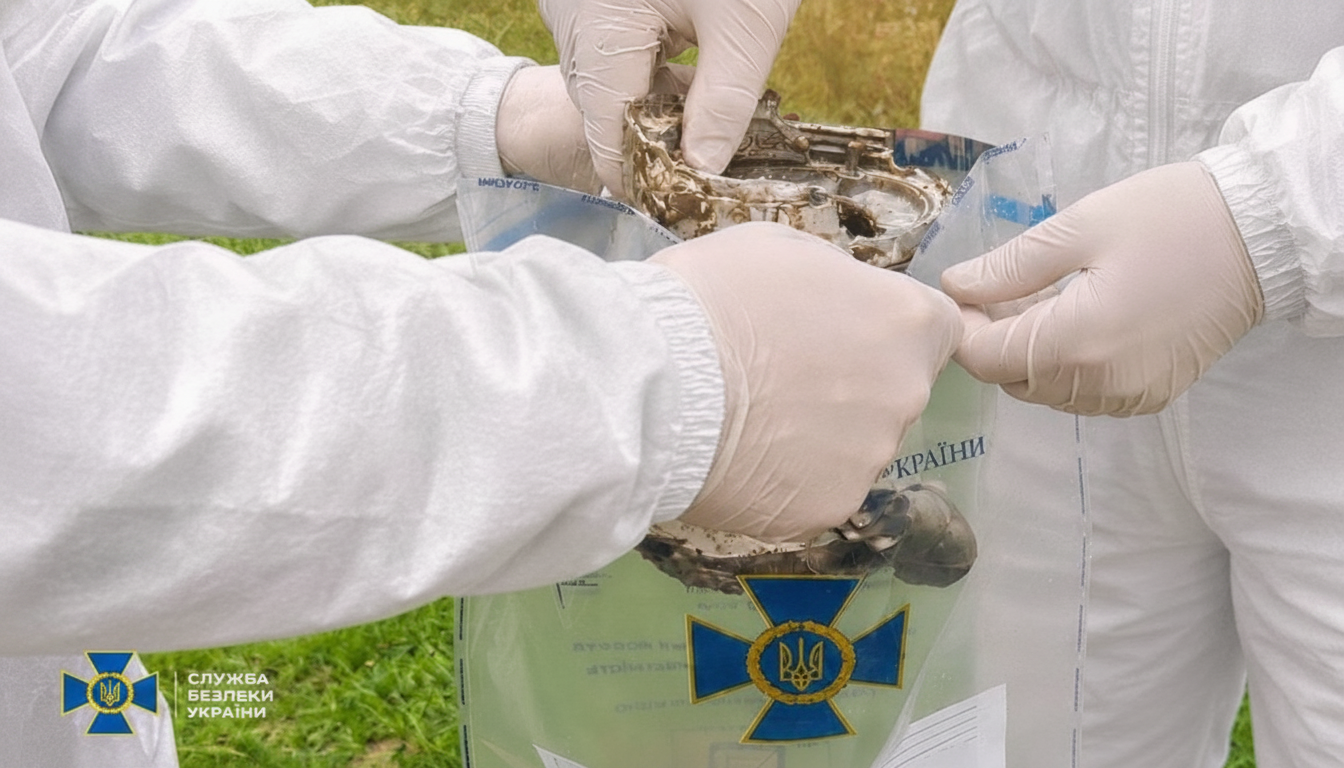
According to UATV: Ukraine’s Security Service (SBU) has officially recorded two separate incidents in which Russia deployed munitions containing depleted uranium components against Ukrainian territory. These attacks struck the Sumy region in April 2026. According to an SBU statement released on July 16, 2026, investigators recovered R-60M air-to-air guided missiles that contain hazardous materials.
Gamma radiation readings taken from drone wreckage reached 8.3 and 10.5 microsieverts per hour. These levels far exceed natural background radiation and pose a direct health risk to humans. The security agency reported that the warheads of the Russian missiles each contain depleted uranium elements totaling 2,810 grams. The identified substances include:
- Uranium-234
- Uranium-235
- Uranium-238
Since the start of Russia’s full-scale invasion of Ukraine, authorities have documented more than 13,000 instances involving the use of hazardous chemical agents. These figures highlight the ongoing and serious threats stemming from military operations.
Long-Term Fallout from Depleted Uranium Weapons
The deployment of depleted uranium munitions carries potential long-term consequences for both the environment and public health. These incidents reflect an escalation in the conflict and point to dangerous battlefield tactics that could have severe repercussions not only for military personnel but also for civilian populations.
Given these developments, it is essential to maintain close monitoring of the situation and assess how such attacks affect the environment and human health in affected regions.
Read also
- Ukrainian Special Forces Destroy Russian Su-24 Bomber: 54 Combat Clashes in a Single Day
- Security guarantees for Ukraine: UK and French forces to hold joint drills in Poland this autumn
- Children in Occupied Ukraine Forced Into Russian Education System, Human Rights Watch Alleges
- CIA Director: A Russian Recruit's Lifespan on the Frontline Is Just 20 to 30 Minutes
- Russian Su-24M Bomber Destroyed by Omega Special Forces at Saky Airbase in Crimea
- UK Set to Supply Ballistic Missiles to Ukraine with First Launches Within a Year