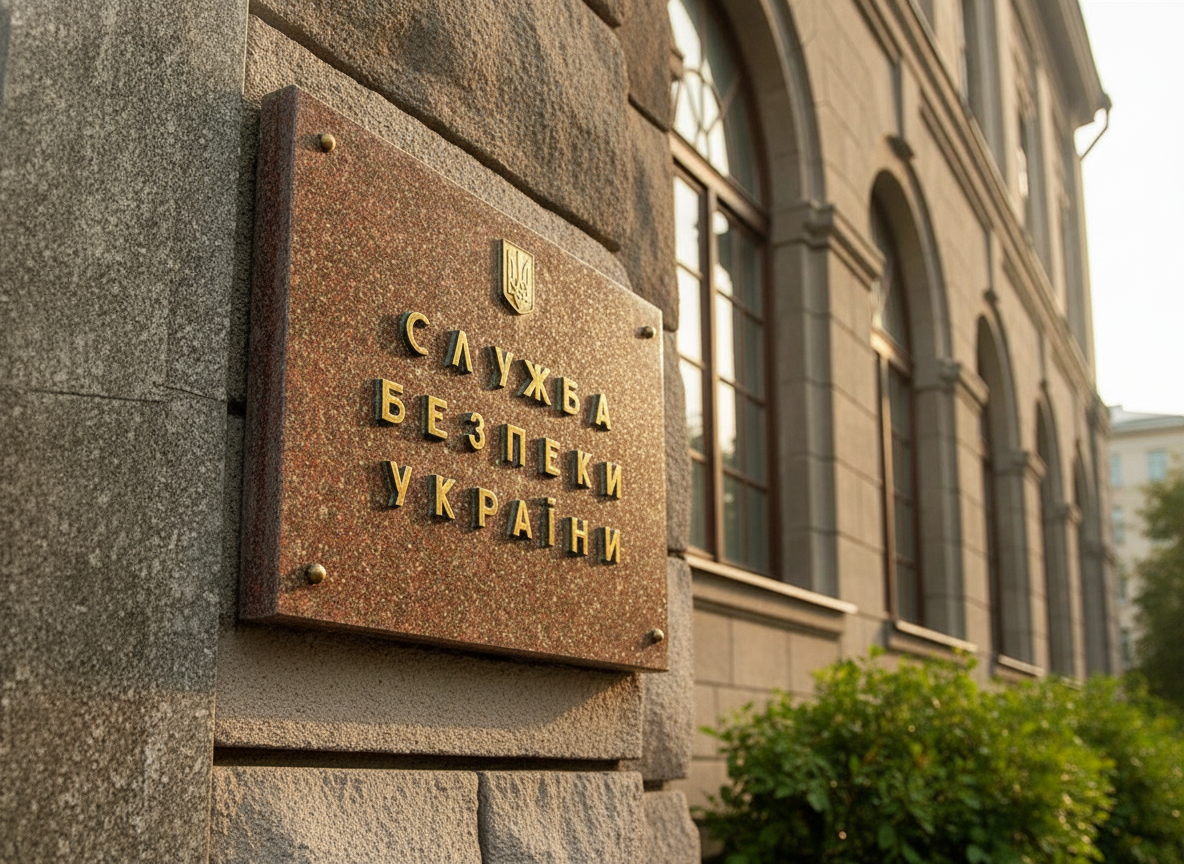
A Spaniard poured beer into the trunk of an elephant in a Kenyan reserve: an investigation has been launched.

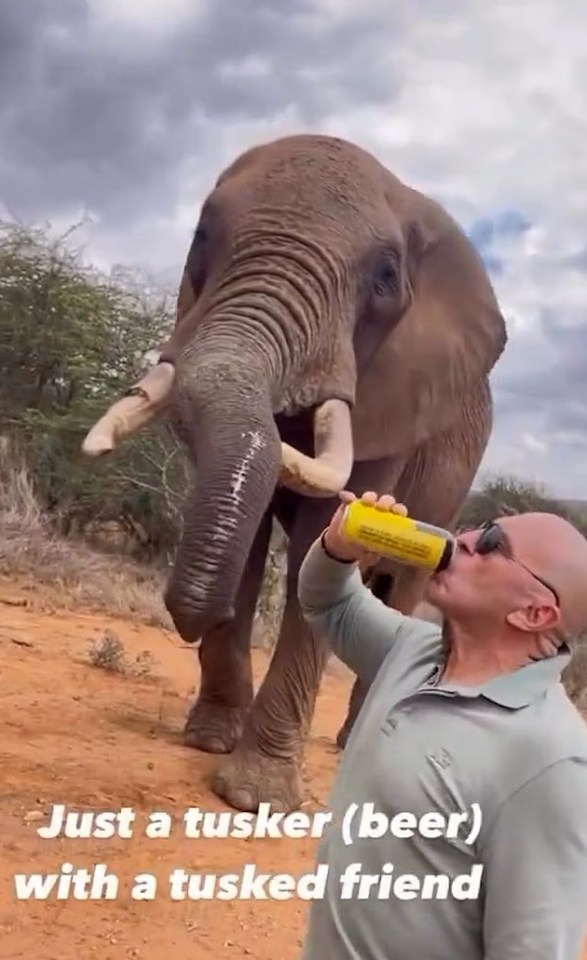
According to The Sun: A tourist sparked outrage after shocking video surfaced showing him pouring beer into an elephant's trunk.
The man filmed himself, drunk from a can of Tusker, pouring the drink into the trunk of the elephant.
Instagram/@skydive_kenyaIn the caption, he wrote: “Just a tusker with a tusked friend” as he poured the popular Kenyan beer into the elephant's trunk.
The elephant, named Bupa, was recognized by distinctive damage to his tusks.
Bupa was rescued from mass slaughter in Zimbabwe in 1989 when he was just eight years old, and has lived in a sanctuary ever since.
This incident with the elephant was not the only controversial moment during the tourist's presence. In another video, he was seen feeding elephants carrots with the caption: “we are on beer time”.
The self-proclaimed “adrenaline junkie” sparked outrage in the Kenyan reserve and online.
Following the negative reaction, he deleted the video.
Workers at the Ol Jogi Conservancy in Laikipia County told the BBC: “This should never have happened.”
“We are a conservancy and cannot allow such things to happen,” - said a representative.
“We don't even allow people to approach elephants closely.”
id='6376829308112' data-video-id='6376829308112' data-account='5067014667001' data-player='default' data-usage='cms:WordPress:6.5.6:2.8.6:javascript' data-embed='default' class='video-js' data-application-id='' controls style='width: 100%; height: 100%; position: absolute; top: 0; bottom: 0; right: 0; left: 0;'>After this video surfaced, several investigations have been launched, led mainly by the Kenya Wildlife Service.
Dr. Winnie Kiiru, a Kenyan biologist and elephant conservation expert, noted that such behavior endangers Bupa's life.
“Around 95 percent of elephants in Kenya are wild,” - she said.
“It is wrong to post on social media that give the impression that one can approach elephants closely and feed them.”
The conservancy has about 500 elephants and is a leading institution in rehabilitating orphaned elephants before releasing them back into the wild.
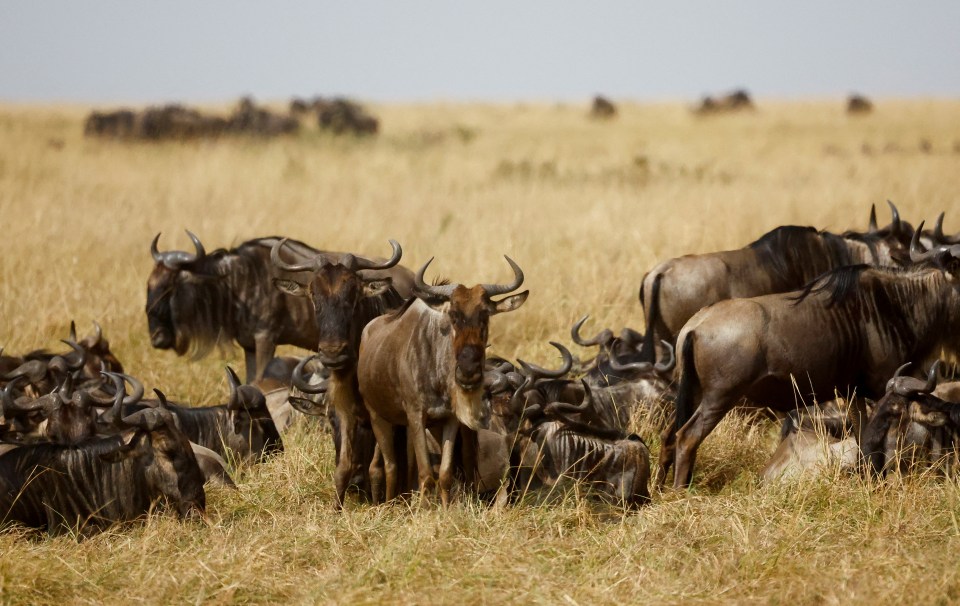
This incident occurred a week after a group of tourists was filmed blocking the annual migration of wild boars in the Maasai Mara reserve.
 Reuters
Tourists were spotted when they exited their safari vehicles and gathered on the riverbank, less than a meter from wild animals.
Some wild boars were forced to return to a river filled with crocodiles.
The Kenyan Ministry of Tourism and Wildlife condemned this incident and stated that they are taking legal action against tour operators who violate park rules.
The ministry also announced that it would increase ranger presence in sensitive migration areas.
This case highlights the importance of ethical interactions with wildlife and the relevance of animal conservation in sanctuaries. Undoubtedly, all participants must understand that such actions are not only dangerous but can also have serious consequences for the entire ecosystem.
Read also
- Drone Strikes on Russia Surge 1,150%: June Target Toll Revealed
- NATO’s Eastern Flank on Alert: U.S. Intel Warns of Russian Threats as Poland Braces for Response
- Ukraine Targets Up to 50,000 Russian Troops Per Month in New Defense Strategy
- Why Russian Offensives Aren't Tied to Seasons: An Expert Reveals the Real Driver
- Ukraine's SBU Strikes Crimean Airfields Again, Destroying Seven Russian Aircraft in Second Attack This Week
- Seven Russian Aircraft Destroyed in Crimea as Ukraine Hits 'Saky' and 'Gvardiiske' Airfields