Why Russian Offensives Aren't Tied to Seasons: An Expert Reveals the Real Driver.

Examining the Strategy Behind Russian Offensive Operations
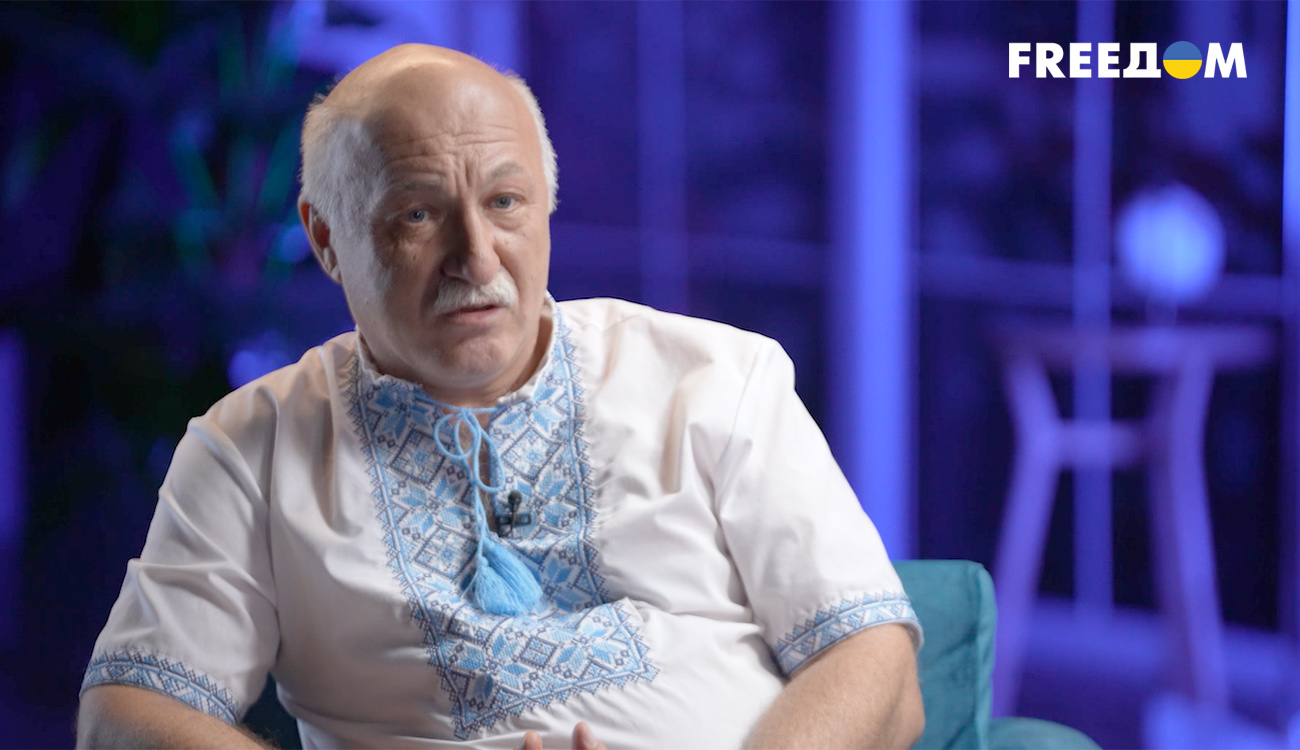
According to UATV: According to Pavel Lakiychuk, an expert from the Center for Global Studies 'Strategy XXI', the timing of Russian offensive operations on the front line is not dictated by seasonal changes but by planning cycles within the Russian General Staff. Lakiychuk explains that strategic offensive operations are outlined in plans signed by General Valery Gerasimov and approved by President Vladimir Putin. These plans then materialize into what are known as campaigns, each with its own distinct features and nature. For context, understanding this distinction helps clarify why Russian military activity can spike at unexpected times, independent of weather or terrain conditions.
Current Situation on the Front Line
The situation on the front line is marked by intense combat, with the expert reporting over 270 engagements occurring daily. Despite regular claims of an imminent Ukrainian capitulation, Ukrainian forces continue to inflict substantial losses on the enemy. Lakiychuk emphasized that Ukraine's defense forces are causing more damage to Russian troops with each passing month and day.
However, it is worth noting that the Russian army is showing a decline in the pace of its offensive operations while suffering heavy casualties and making only minimal territorial gains. These factors suggest that Ukrainian military units are succeeding in countering Russian aggression, even under difficult combat conditions.
In summary, the analysis of the front-line situation indicates that Ukrainian forces are effectively carrying out their missions, dealing significant blows to the enemy and holding back its offensive actions.
This analysis highlights the importance of understanding the strategic approaches employed during the conflict. The slowdown in the pace of Russian offensives may signal an evolution in tactics on the front, as Ukrainian forces continue to adapt to battlefield conditions. Monitoring further developments is crucial, as they could influence the overall trajectory of the conflict and the strategies of both sides.
Read also
- Drone Units Hit 18 Power Substations in Crimea During 'Crimean Switch-Off' Operation
- Russian Assault Thwarted: 18 Invaders Stopped by Ukrainian Border Guards Near Artilne on July 27
- 56 Civilians Killed in Kyiv in July: Russia's Actions Threaten Global Food Supplies
- Export Terminal in Rostov-on-Don Among Ukrainian Forces' Targets: Full List of Hit Facilities
- How China Gains From US-Israeli Strikes on Iran
- Three Drones Shot Down After Russian UAV Violates Romanian Airspace; Ambassador Summoned