AI Poses a Global Economic Threat: Citrini Research Warns of Potential Collapse.

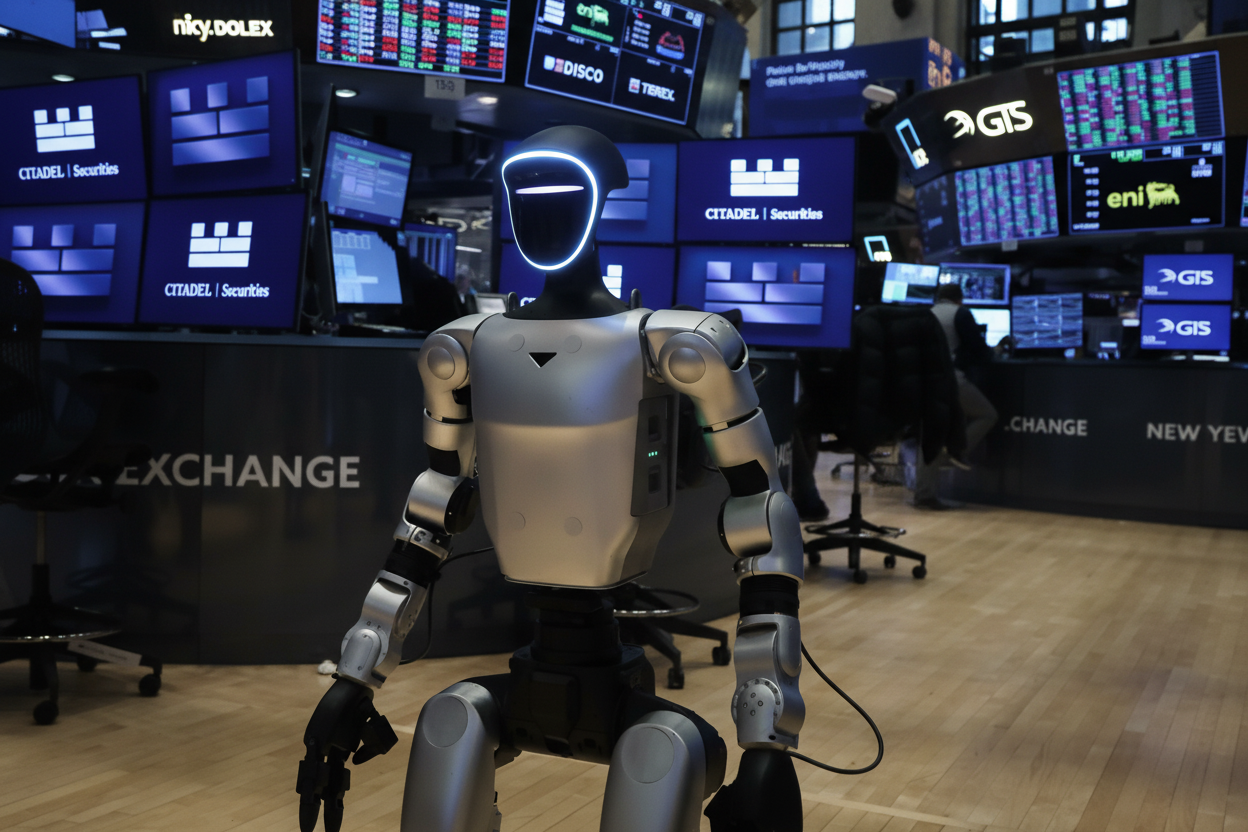
Investor Anxiety Over Artificial Intelligence's Economic Impact
A recent memorandum from Citrini Research has triggered significant investor concern by outlining a potential global economic crisis driven by artificial intelligence (AI). The report details how AI development could drastically reduce consumer demand, devalue white-collar professions, and push unemployment above 10%. This warning comes as AI's rapid evolution begins to show tangible effects on financial markets, with U.S. stock market capitalization already having fallen by over $200 billion.
Projected Labor Market Disruption
The Citrini memo forecasts that by the end of 2026, AI agents like Claude could perform the duties of a product manager for a monthly cost of just $200. Such a scenario threatens to trigger mass unemployment and a catastrophic cycle for white-collar workers, leading to a broader economic downturn. The concentration of AI-derived profits within a narrow elite further highlights the unequal distribution of benefits from this technological shift.
By 2028, the report predicts, individuals without technical expertise will use AI agents daily, integrating the technology deeply into everyday life. While this promises convenience, it also raises profound ethical and social questions. The core conclusion is that unchecked AI advancement could precipitate both a severe labor market transformation and a parallel financial crisis, necessitating urgent strategic analysis.
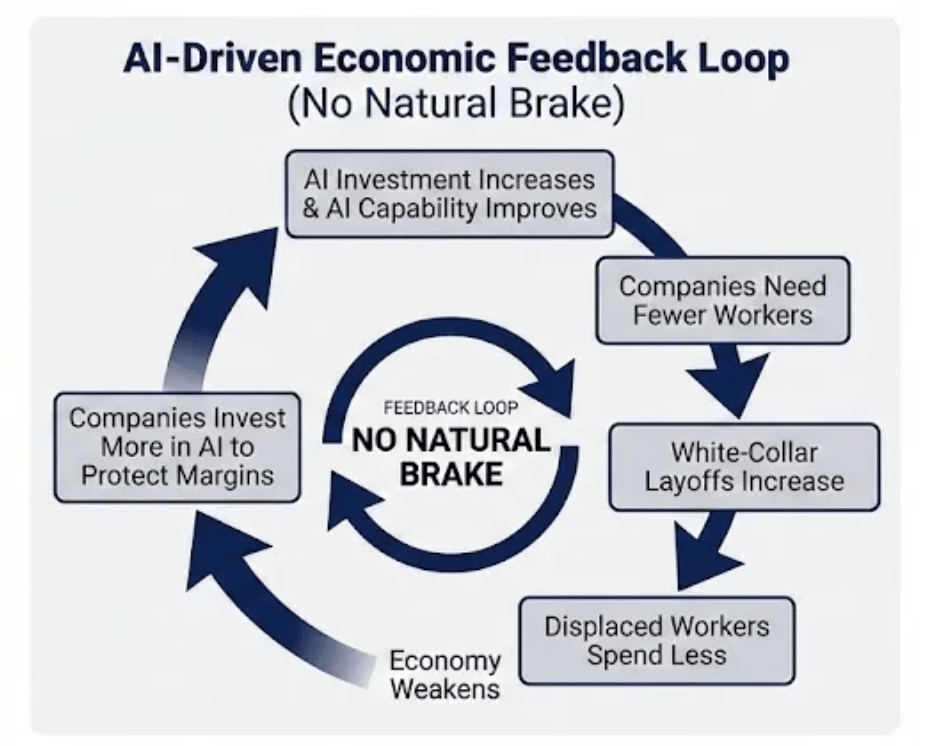
This situation underscores the critical need to address the implications of AI integration, as even minor developments in the field could have major consequences for the economy and social fabric.
For policymakers and investors, the focus must now be on crafting strategies to mitigate automation risks and labor market upheaval. Ensuring an equitable distribution of the gains from technological innovation is equally vital to prevent the exacerbation of social inequalities.
Read also