The Rise of Autonomous AI Agents: How They Will Manage Complex Projects.


A Shift in How We View Artificial Intelligence
A significant shift is underway in how society and business perceive the potential of artificial intelligence (AI). This is largely driven by the emergence of new autonomous AI agents capable of executing complex projects without requiring human intervention. These developments could profoundly impact the economy, politics, and social structures. Investors are beginning to view AI as a potential threat to software and consulting firms, should the technology's capabilities continue to grow at an exponential rate. This evolution marks a move from AI as a simple tool to a proactive, independent operator.
In February 2020, experts at SemiAnalysis declared that progress in AI had reached an 'inflection point.' OpenAI's CEO, Sam Altman, noted:
"This is the first time I've felt another ChatGPT moment coming."Projections suggest that by 2027, the changes could be substantial due to the expanding capabilities of AI. Analyses indicate that OpenAI's infrastructure costs could reach $1.4 trillion over the next eight years.
The Economic Impact of Advancing AI
Currently, subscription services like Claude Pro or ChatGPT cost around $20 per month, while a more advanced service like 'Max' is priced at $200. In contrast, the average daily cost of a knowledge worker in the United States is approximately $350-500. As one developer using Claude Code observed,
"a single developer can now accomplish what used to take a team a month,"highlighting the significant leap in AI's practical utility. This stark cost comparison underscores the disruptive potential for business operations.
The core of this development suggests that autonomous AI agents will be able to complete intricate projects independently. The potential consequences for the labor market and the broader economy could be immense by 2027.
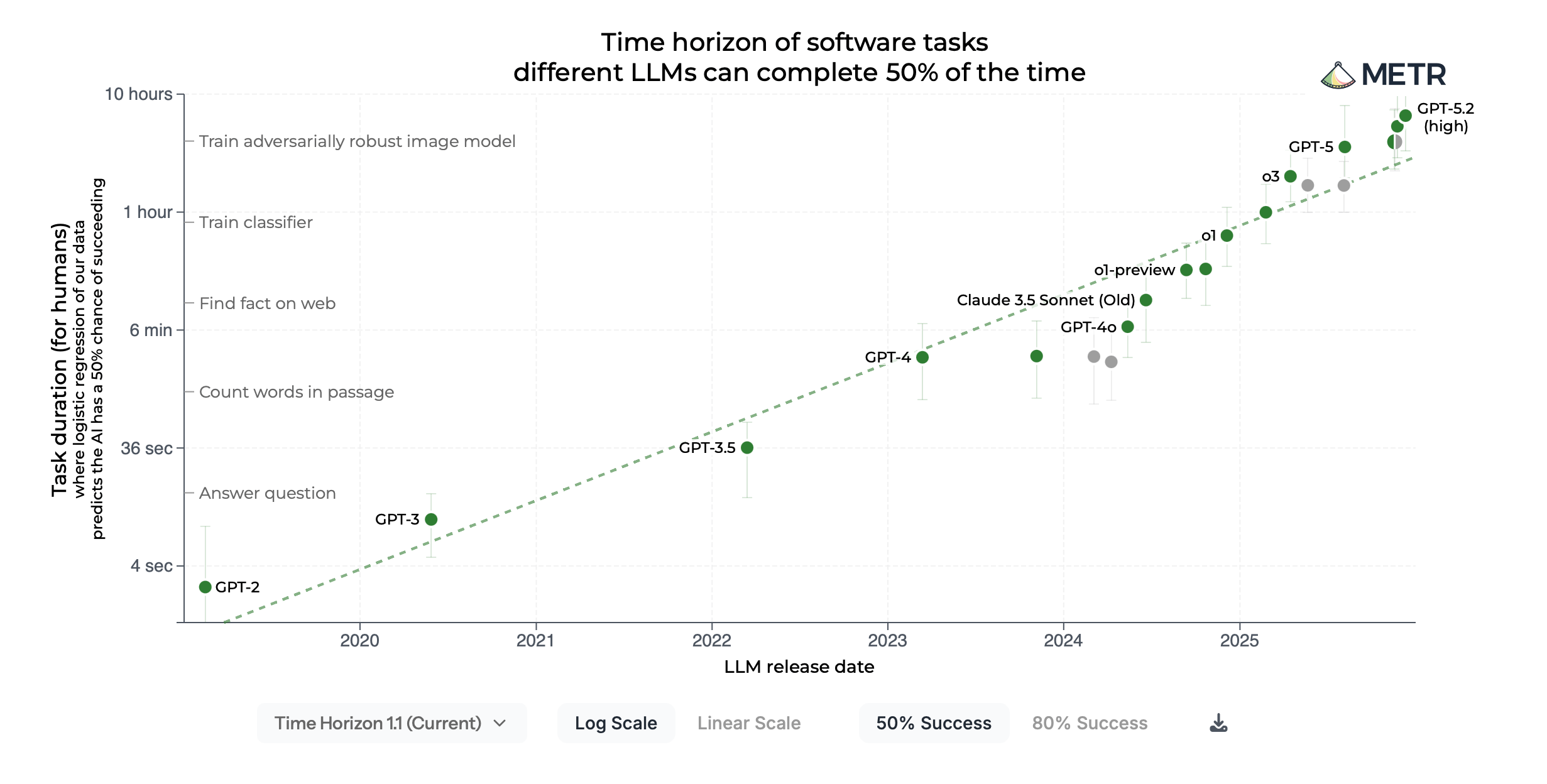
This changing perception of artificial intelligence could act as a catalyst, transforming business models and labor markets. The increased efficiency brought by autonomous AI agents may lead to job displacement in some sectors while simultaneously creating new opportunities in others. This reality emphasizes the critical need to adapt educational curricula and employment policies to the new conditions arising from the rapid advancement of AI technology.
Read also
- AI Poses a Global Economic Threat: Citrini Research Warns of Potential Collapse
- AI's Self-Improvement: From Tool to Cognitive Rival