Why Global Drivers Are Largely Ignoring ADAS Safety Features.

Varying Global Perceptions of Safety Technology
According to Novyny.live: A study by the Boston Consulting Group reveals significant differences in how drivers worldwide use and value ADAS (Advanced Driver-Assistance Systems). For nearly half of those surveyed, improving safety is the primary motivation for purchasing these optional features. The research highlights a key contrast: buyers in France and the U.S. are primarily motivated by safety, while in China, these technologies are often viewed as status symbols.
Divergent Attitudes Across Key Markets
The survey polled 3,000 car buyers across seven major markets, including France, Germany, and the United States. In France, over 40% of consumers are willing to spend thousands of dollars on advanced automotive tech. In stark contrast, 81% of Chinese buyers believe a car equipped with the latest ADAS enhances their social standing. Furthermore, 85% of Chinese customers are prepared to pay extra for these options, compared to just 35% in France.
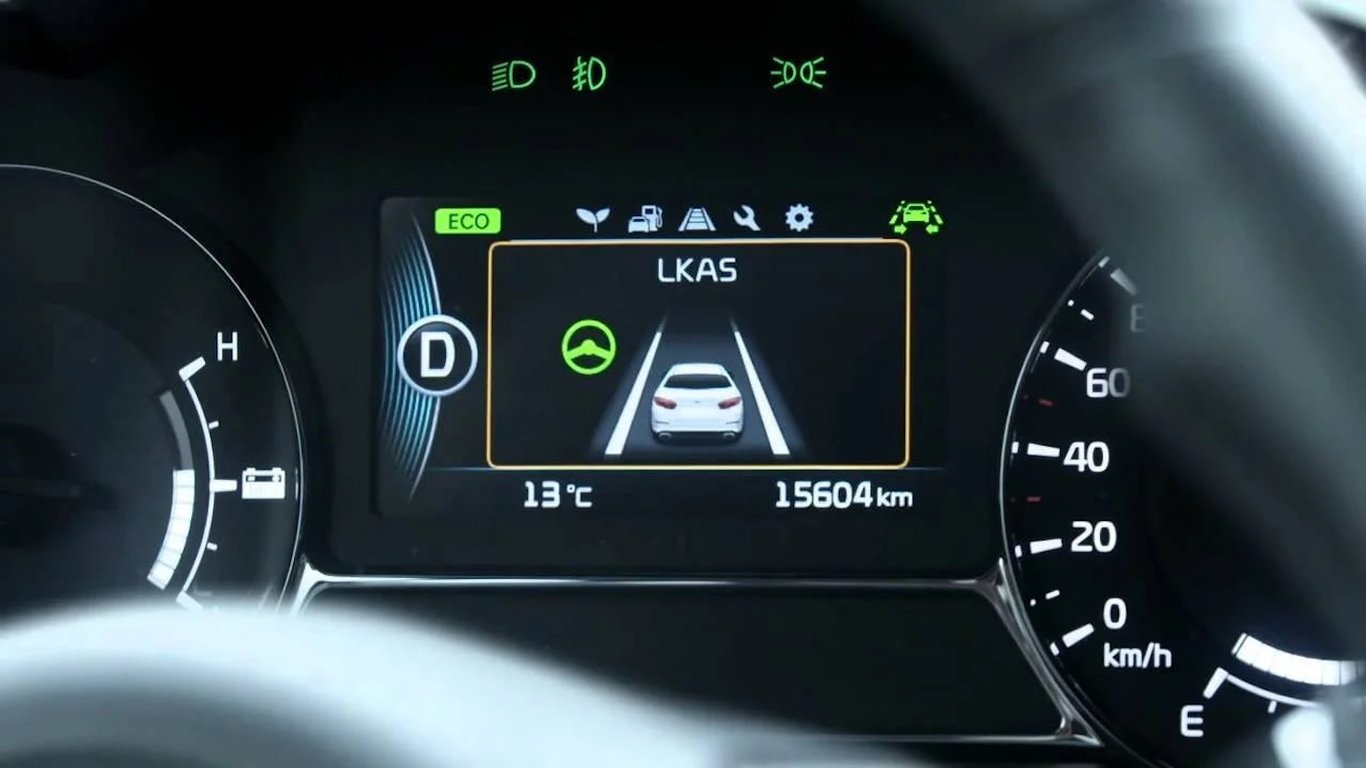
Despite this interest, only 25% of drivers globally regularly engage their ADAS systems. Between 9% and 16% of premium car buyers even deactivate the features due to stress caused by the systems' erratic performance. These systems, which include automatic braking and lane-keeping assist, are not always intuitive. Approximately 30% of users try to learn how they work while driving, and 22% of respondents admit they don't understand how the systems function. This data points to significant driver frustration with overly aggressive or confusing system behavior.
The study underscores crucial cultural and social differences in how automotive safety tech is perceived globally. These findings present a strategic challenge for automakers developing new models for different regions. While Western consumers emphasize practical safety, the Chinese market prioritizes prestige. Simultaneously, widespread issues with the reliability and user-friendliness of ADAS remain a major industry hurdle, likely requiring manufacturers to take active steps to improve the driver experience and build trust.
Read also
- First-Ever U.S. Manufacturing of Ukrainian MAGURA Drones: Key Details Emerge
- Google to Build America's Largest Solar Farm: 2.5 GW Facility to Power Data Centers
- Turn Your Old Phone Into a Smart Display: Inside the New ScreenWall Web Platform
- Speed Record Set by Bombardier Global 8000: Los Angeles to Farnborough in Just 8 Hours 46 Minutes
- A New Augmented Reality Platform Lets You Read and Build 3D Comics
- How Artificial Intelligence Is Unlocking Billions in Real Estate Value