What It Costs to Drive 100 km: Comparing Gasoline, Diesel, and LPG Expenses.

Fuel Cost Analysis for Different Vehicle Types
According to Novyny.live: This analysis examines fuel expenses for vehicles with various engine types, including gasoline, diesel, LPG, hybrid, and plug-in hybrid systems. The focus is on consumption rates and cost efficiency, key factors for consumers when choosing a car.
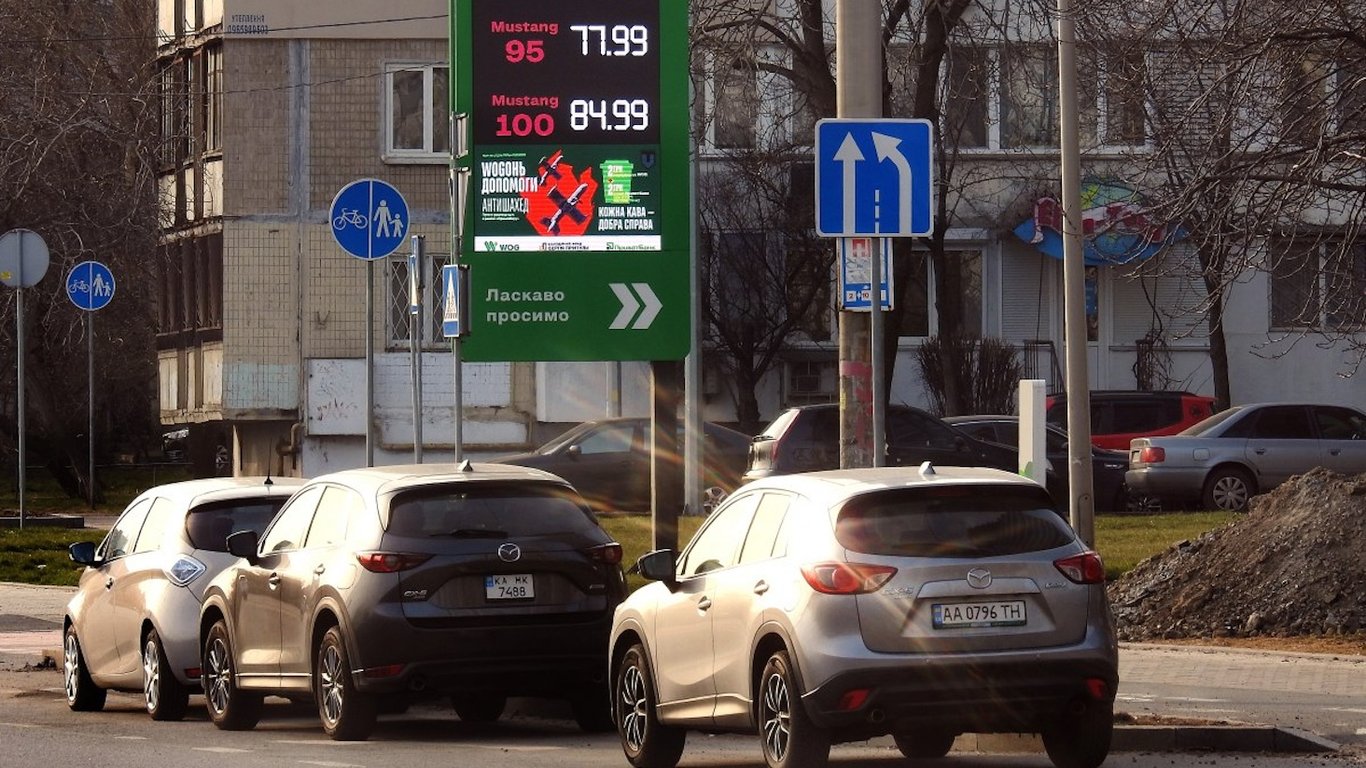
In Ukraine, a liter of gasoline costs around 75 UAH, while diesel fuel is nearly 90 UAH per liter. The average annual mileage for a car is up to 20,000 km. Gasoline engines with a 2-liter displacement consume about 10 liters per 100 km, resulting in fuel costs of roughly 80,000 UAH for 10,000 km of driving. In comparison, 2-liter diesel engines use approximately 7 liters per 100 km, translating to about 600 UAH per 100 km.
Maintenance expenses also need consideration. Repairing a single fuel injector can cost up to $250, while servicing emission control systems runs around $350. Average LPG consumption is 13 liters per 100 km, with gas priced at 45 UAH per liter. Driving on LPG costs about 600 UAH per 100 km.
Cost Efficiency of Hybrid and Plug-In Hybrid Systems
Hybrid systems offer better fuel economy: standard hybrids average 7.5 liters per 100 km, with a cost of approximately 525 UAH per 100 km. The price difference between hybrid and gasoline versions can range from $3,000 to $5,000.
Plug-in hybrids (PHEVs) deliver even lower fuel expenses. They can travel 40 to 70 km on electric power alone, and their average fuel consumption can drop to 4 liters per 100 km. The cost per 100 km for plug-in hybrids is about 300 UAH. A used plug-in hybrid starts at around $18,000.
Therefore, the choice of engine type significantly impacts fuel costs and overall operating expenses. Consumers should consider not only fuel prices but also potential maintenance and repair costs to make an informed decision.
This detailed breakdown of fuel and maintenance costs for different engine types helps consumers looking to reduce their vehicle operating expenses.
Given rising fuel prices and environmental challenges, switching to more economical and eco-friendly vehicles—such as hybrids and plug-in hybrids—could be an important step for many drivers in Ukraine.
Read also
- Fuel Shortage Spreads Across Russia as Moscow Diverts Siberian Gasoline Supplies
- Russia Sells Off Gold at Record Pace: Central Bank Unloads 44 Tons in Six Months
- Russia’s Wheat Exports Set to Hit Lowest Level Since 2017 – Here’s Why
- Wildberries Warehouse Fires Cause 180 Billion Rubles in Damages: Assessing Russia's Losses
- Kazakhstan Oil Exports at Risk as Caspian Pipeline Shuts Down Operations
- Asian gasoline imports mark Russia's fuel crisis spanning 11 time zones