Iran at a Crossroads: The Nation's Future After the Death of Supreme Leader Khamenei.

The Death of Iran's Supreme Leader
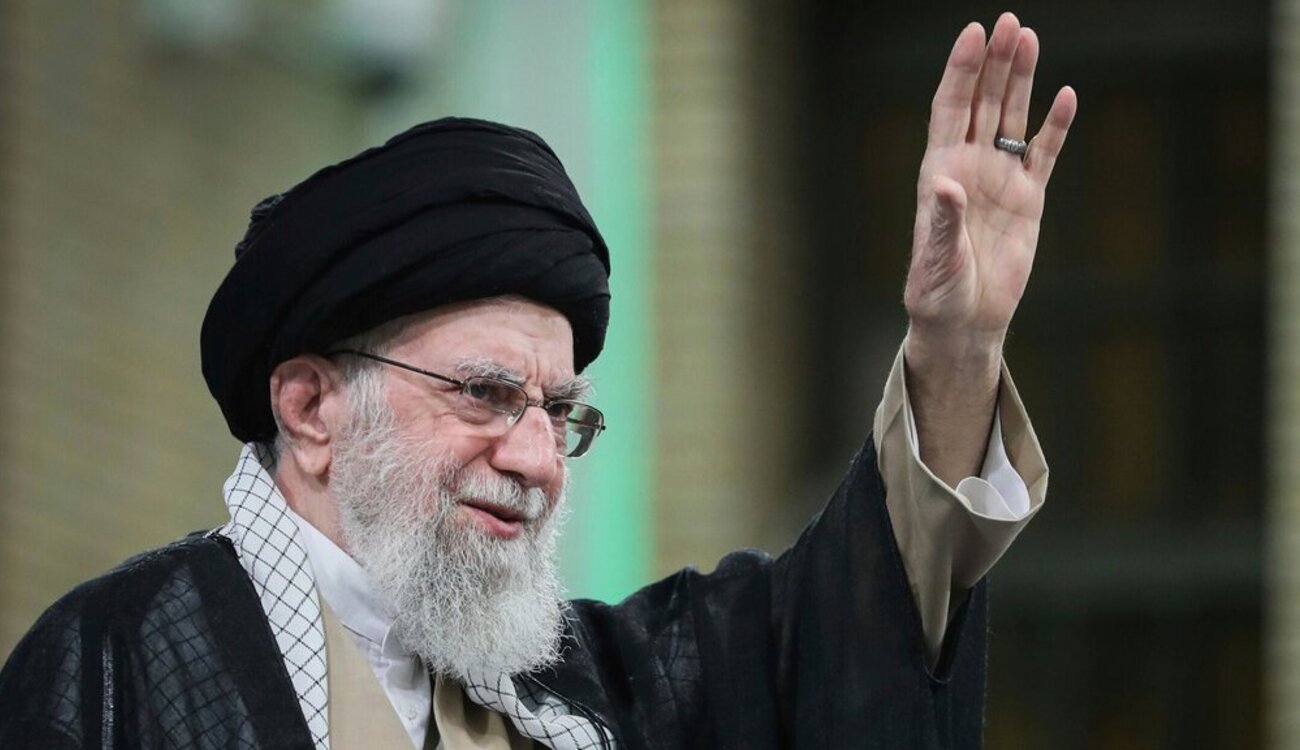
According to UATV: The passing of Iran's Supreme Leader, Ali Khamenei, marks a pivotal moment in the nation's modern history. This event has triggered widespread public celebrations, with many citizens hopeful for a shift in the country's political direction. Iran's authorities have already established an interim leadership council to govern until a new Supreme Leader is selected.
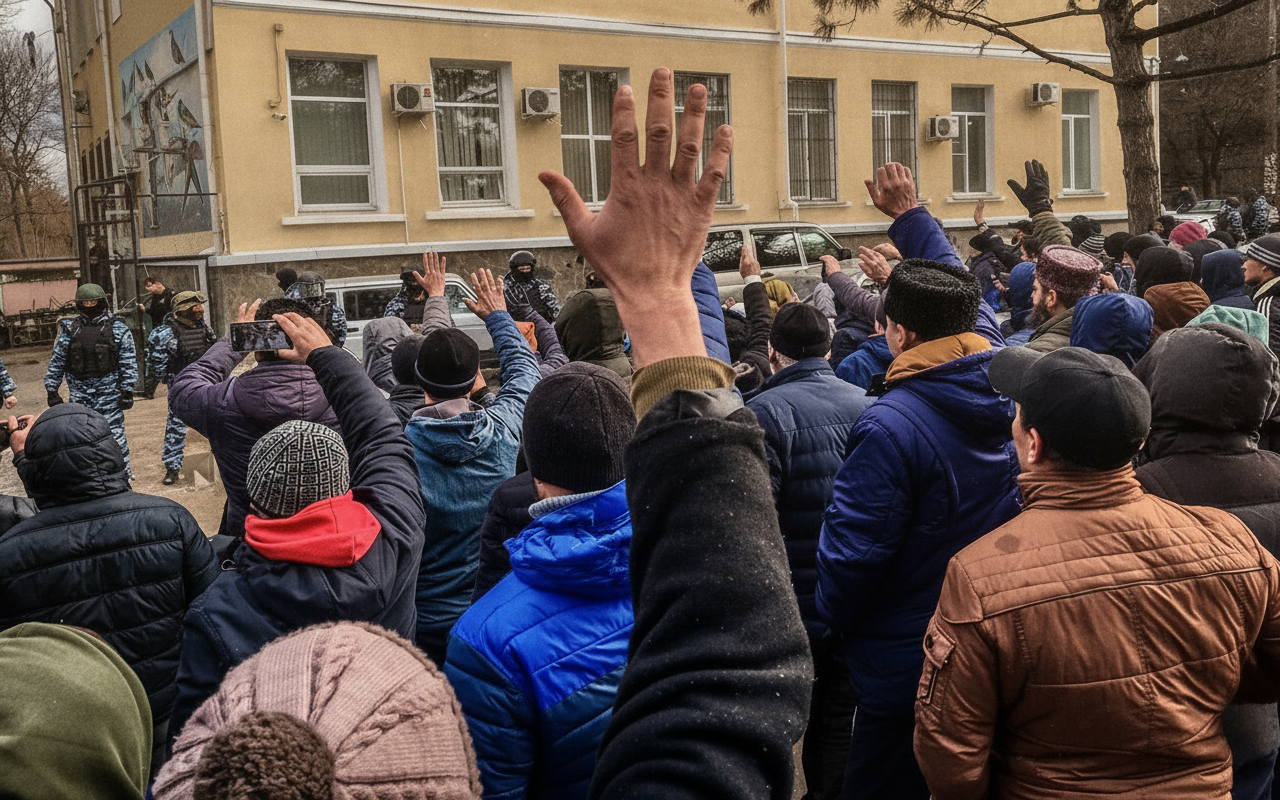
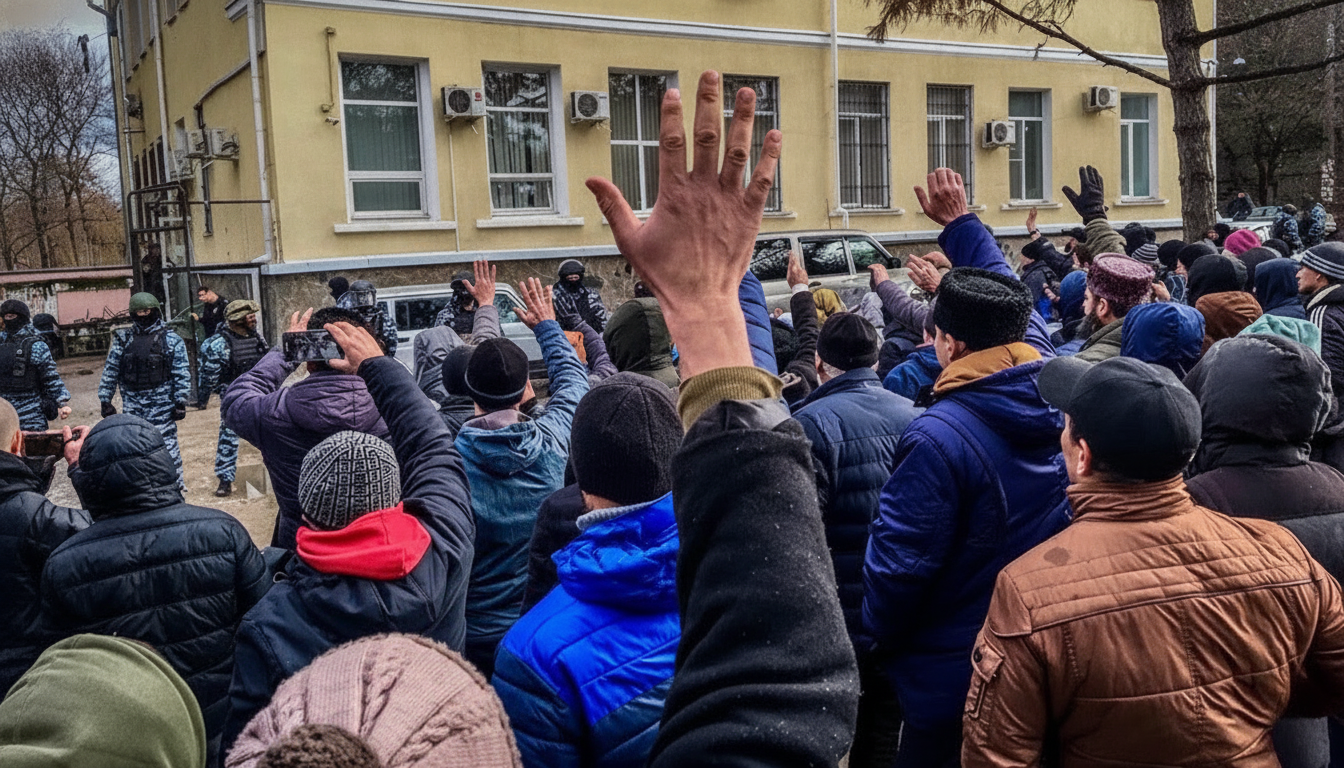
Ali Khamenei ascended to power in 1989 and led Iran for nearly 37 years. His tenure was defined by profound social and political transformations, most notably the nationwide protests ignited by the death of 22-year-old Mahsa Amini in September 2022. These demonstrations gained global attention and became a powerful symbol of public discontent with the government's policies.
- Official figures state that 3,117 people were killed during protests in late December 2025 and early January 2026.
- These tragic events further intensified societal grievances and acted as a catalyst for subsequent calls for change within the country.
- It is important to note that sanctions against Iran have been in place since 1979, with the United States imposing personal sanctions directly on Khamenei in 2019.
Interim Leadership and Renewed Aspirations
Following his death, Iran is now being led by a temporary three-person advisory council consisting of Masoud Pezeshkian, Gholam-Hossein Mohseni-Eje'i, and Ayatollah Alireza Arafi. This change in leadership has sparked a renewed sense of hope among the populace.
“With Khamenei gone, the people of Iran have found a new hope.”
This new chapter in Iran's history is anticipated to potentially lead to reforms and an improvement in the nation's socio-political climate. The transition comes at a time of significant internal pressure and international isolation for the Islamic Republic.
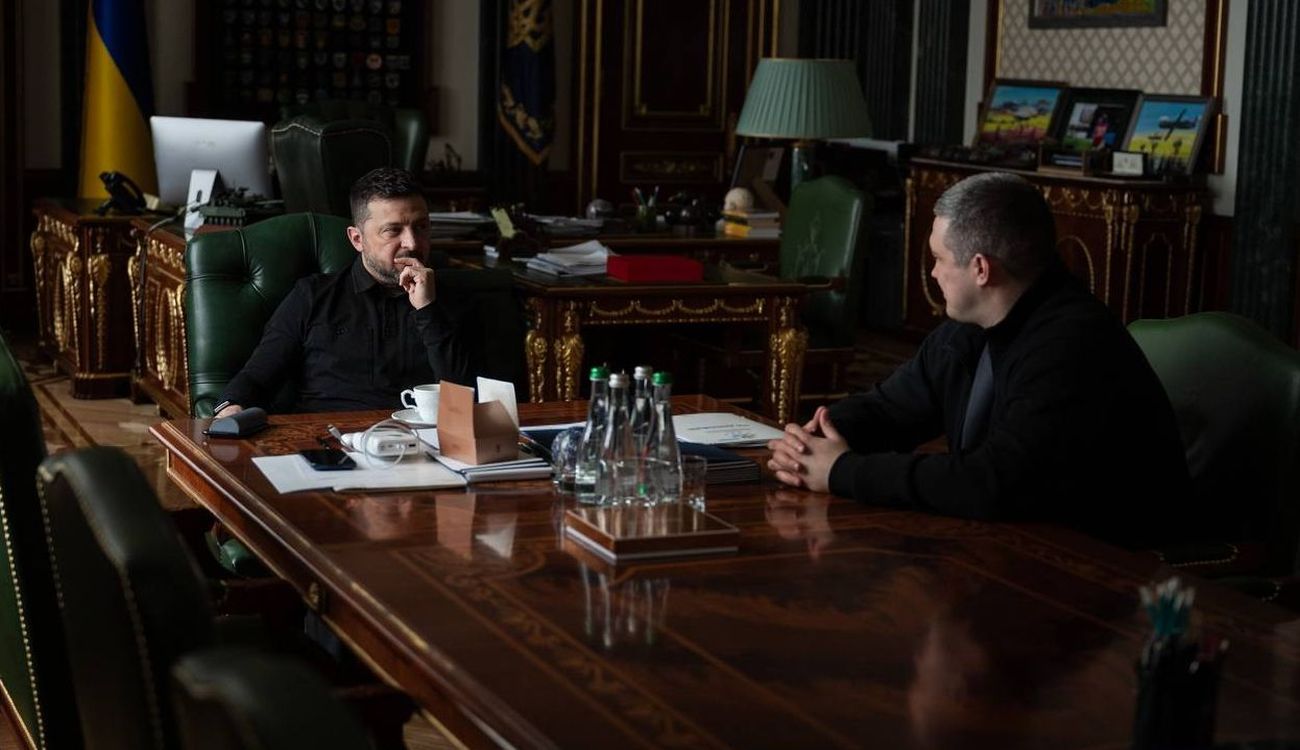
Regarding international relations, Volodymyr Zelenskyy has emphasized that "while Ukrainians never threatened Iran, the Iranian regime chose to become an accomplice of Putin." This statement underscores how internal changes in Iran could also reshape its foreign relations, particularly with Ukraine and Western nations.
Consequently, Khamenei's death represents a potentially critical juncture for Iran's development, as the country stands on the brink of possible transformation. Shifts in leadership and the public's desire for reform may influence both domestic policy and international ties, especially concerning its strained relationships with the West and regional rivals. The situation in Iran will remain under close global scrutiny, as developments there could have profound and far-reaching consequences for the Middle East and international politics.
Read also
- Zelenskyy Proposes New Role for Fedorov to Merge Technology and National Security
- Zelenskyy Announces New Commander-in-Chief of Ukraine's Armed Forces: Who Replaces Syrskyi
- Syrsky Resigns: Who Will Zelensky Appoint as Ukraine's Next Commander-in-Chief?
- Zelensky Appoints New Commander-in-Chief of Ukraine’s Armed Forces: Who Is Mykhailo Drapatyi?
- Mykhailo Drapatyi Appointed as New Commander-in-Chief of Ukraine’s Armed Forces by President Zelenskyy
- Baku Hosted Secret Germany-Russia Talks, Sparking Protest from Azerbaijan's Aliyev