Deadly Garden Dangers: Plants to Avoid Near Your Home.

Deadly Plants to Keep Out of Your Garden
According to Novyny.live: Certain common garden plants contain potent toxins that pose a serious threat to human and animal health. Awareness of these species is crucial, as accidental ingestion can lead to severe or even fatal consequences. This article identifies the most hazardous plants that should be excluded from residential landscaping.
Common Toxic Species
Oleander is a notoriously poisonous plant, containing toxins that can induce severe poisoning symptoms. Despite its popularity in landscape design, its dangerous properties cannot be overlooked. Foxglove is another perilous plant, as it contains cardiac glycosides capable of causing serious poisoning. These risks are particularly critical for households with children or pets.
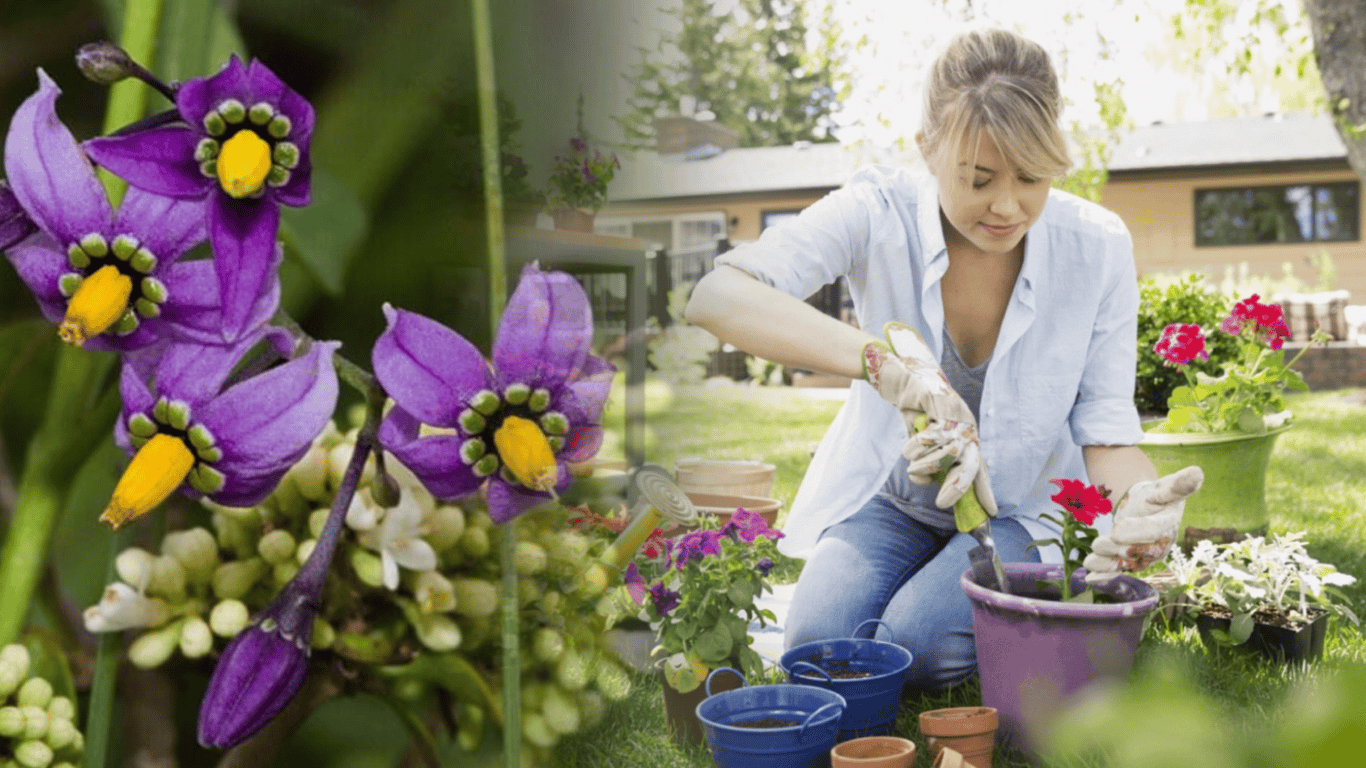
Nightshade is a further hazardous plant, with its toxic berries presenting a threat to curious children and animals. Rhododendron and azalea contain toxins that can induce vomiting and disrupt heart function, making them poor choices for garden planning. Lily of the valley, admired for its beauty, contains heart-affecting cardenolides and is dangerous if consumed.
- Oleander
- Foxglove
- Nightshade
- Rhododendron
- Azalea
- Lily of the Valley
- Daffodils
- Clivia
- Amaryllis
- Autumn Crocus
Additionally, daffodils, clivia, and amaryllis contain the alkaloid lycorine, which is especially concentrated in their bulbs. The autumn crocus must also be considered dangerous—it contains colchicine, a compound that can cause severe health complications.
All these plants, despite their aesthetic appeal, harbor life-threatening toxins. When selecting plants for your garden, it is vital to consider not only their beauty but also the potential health risks they pose. Familiarity with toxic flora is a key step in creating a safe environment for your family. Many popular ornamental plants have toxic properties that are not widely known to casual gardeners.
Understanding poisonous plants is a critical aspect of garden safety. While many are visually attractive, their toxicity can endanger health, particularly that of children and household pets. Education and awareness of these hazardous species can prevent tragic accidents and ensure a secure environment for all family members.
Read also
- Heatwave Death Toll in France Surges 122% Above Normal Levels
- Ukraine's Smoking Population Drops Sharply: From 8.5 Million to 6.6 Million in Six Years
- Swimming Banned at Lake in Lviv Region After Infection Outbreak Hospitalizes 20 Children
- Mykolaiv Region Faces 20% Doctor Shortage: Officials Offer State Housing as Incentive
- U.S. Mortality Hits Historic Low as Life Expectancy Climbs to 79 Years
- G1 Geomagnetic Storm Forecast for July 4: What It Means for Ukraine