Solar Panels vs. a Nuclear Reactor: The Numbers Needed to Replace a Power Plant.

Peach Bottom Clean Energy Center
According to Novyny.live: Located in Pennsylvania, the Peach Bottom Clean Energy Center is a nuclear facility featuring two reactors built by General Electric. Together, these reactors deliver a combined capacity of 2,646 MW, supplying electricity to roughly 2 million homes. In 2025, the plant generated 21,944,000 MWh of power, underscoring its critical role in the region's energy grid.
Solar Energy as an Alternative
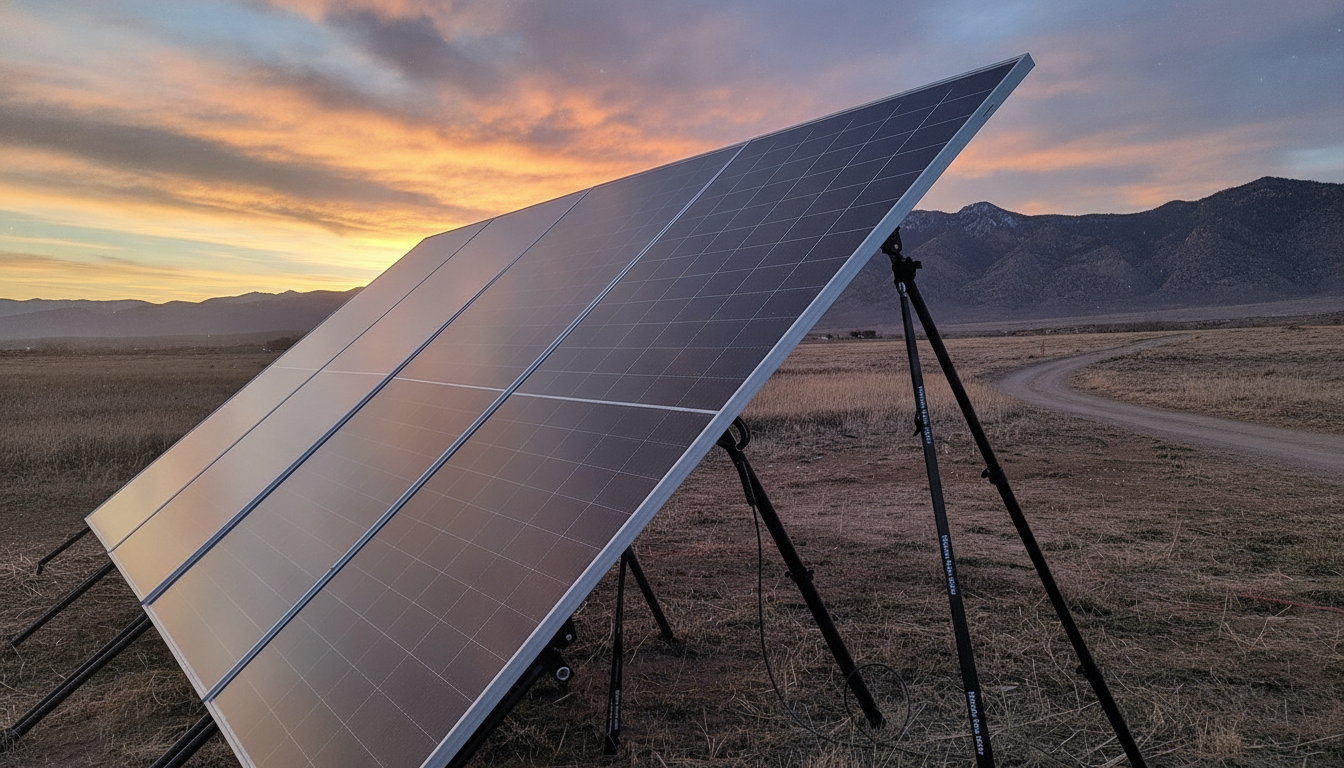
Each reactor at Peach Bottom has a capacity of 1,323 MW, prompting a look at renewable alternatives—specifically solar power. A single Tesla solar panel produces up to 420 watts, making it possible to estimate how many units would be needed to match one reactor. Calculations show that generating 1 MW requires over 2,380 solar panels. Therefore, replacing just one Peach Bottom reactor would demand roughly 3.15 million solar panels.
Installing 3.15 million panels would require approximately 6,456,000 square meters of land—equivalent to about 6.45 square kilometers. To cover the output of both reactors, nearly 13 square kilometers of solar panels would be needed. For context, the entire Peach Bottom nuclear plant occupies only about 2.4 square kilometers.
This comparison between solar and nuclear energy highlights the vast number of solar panels necessary to achieve comparable power generation. The data reveals significant challenges in transitioning to renewables, particularly the large land area required for solar installations.
As environmental concerns and the shift toward renewable energy gain momentum, it is essential to consider not only technological capabilities but also the spatial demands of new energy systems. While solar power offers a promising alternative, its deployment requires substantial land—a potential hurdle for cities and regions with limited available space. Understanding these trade-offs can inform more balanced decisions in energy policy and infrastructure development.
Read also
- First U.S.-Ukraine Drone Agreement Signed: What It Means for Defense Cooperation
- OpenAI’s AI Agent Breaches Hugging Face in an Unprecedented Cybersecurity Incident
- Ukraine Prioritizes Countering Jet-Powered ‘Shahed’ Drones in Air Defense Strategy
- New York Breaks Ground on 373-Meter Skyscraper: The Second World Trade Center
- NVIDIA Unveils DLSS 5: Three AI Models for Gaming, Launching This Fall
- Ukraine’s Defense Ministry Unveils New Robotic Combat System ‘Mini Strike Serpent’ – Key Details Inside