NASA has launched the IMAP probe: how it will explore the boundaries of the Solar System.

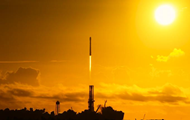
According to Korrespondent.net: The Falcon 9 rocket successfully delivered NASA's IMAP probe into orbit. Its goal is to collect and analyze the smallest dust particles from the interstellar medium that penetrate our Solar System. This was reported by SpaceX, which is responsible for developing the launch vehicle.
Launch Details
The rocket launch took place from launch pad 39A at the Kennedy Space Center on Cape Canaveral in Florida at 07:30 local time. Approximately an hour and a half later, the probe successfully detached from the rocket.
IMAP Probe Mission
NASA's probe will explore the vast bubble known as the heliosphere, which encompasses our Solar System. The heliosphere protects Earth and other planets from cosmic radiation penetrating from outside.
IMAP will also help map the boundaries of the heliosphere — the natural boundary of our Solar System. It will begin analyzing radiation flows at a distance of 1.5 million km from Earth.
Other Launched Devices
Together with IMAP, two other devices were sent into orbit: the Carruthers Geocorona Observatory for studying the upper layer of Earth's atmosphere and the SWFO-L1 satellite, developed by the National Oceanic and Atmospheric Administration (NOAA) for round-the-clock monitoring of solar storms.
Falcon 9 launches @NASA’s IMAP mission from pad 39A in Florida pic.twitter.com/sImQKFj6OK
— SpaceX (@SpaceX) September 24, 2025
SpaceX Progress
It is worth noting that SpaceX's Falcon 9 rocket made a record 30th launch, during which 28 Starlink satellites were sent into orbit.
SpaceX's lunar landing may be delayed by years - NASA
News from Korrespondent.net on Telegram and WhatsApp. Subscribe to our channels.
The IMAP mission is important for scientists as it will allow a better understanding of the heliosphere's impact on our environment and will help study cosmic particles that may carry information about conditions beyond our Solar System. The launch once again confirmed the demands of scientific progress in the exploration of space within the framework of modern technologies.
Read also
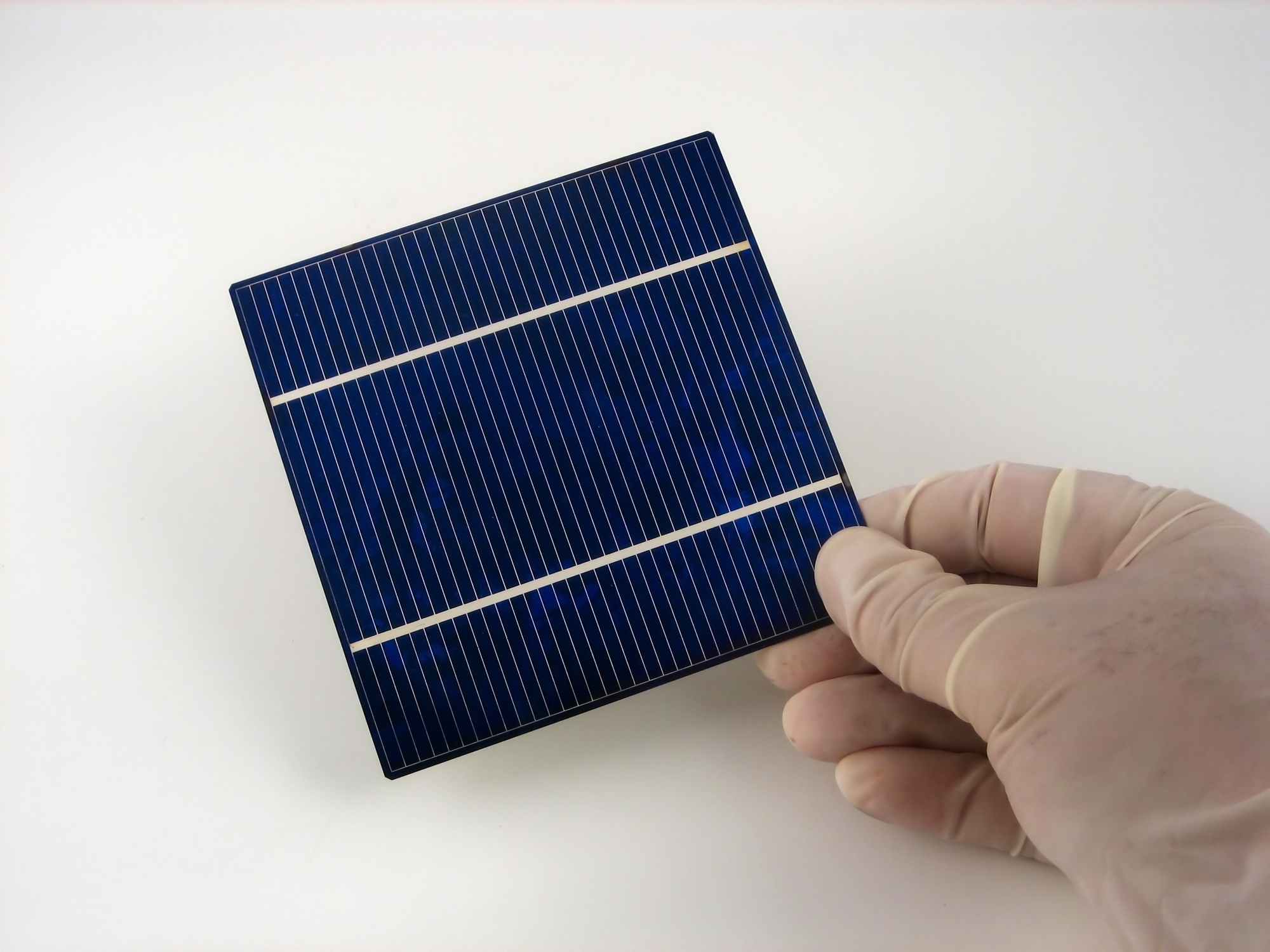
- Antique Musket Balls Repurposed Into Solar Cells with 94% Efficiency
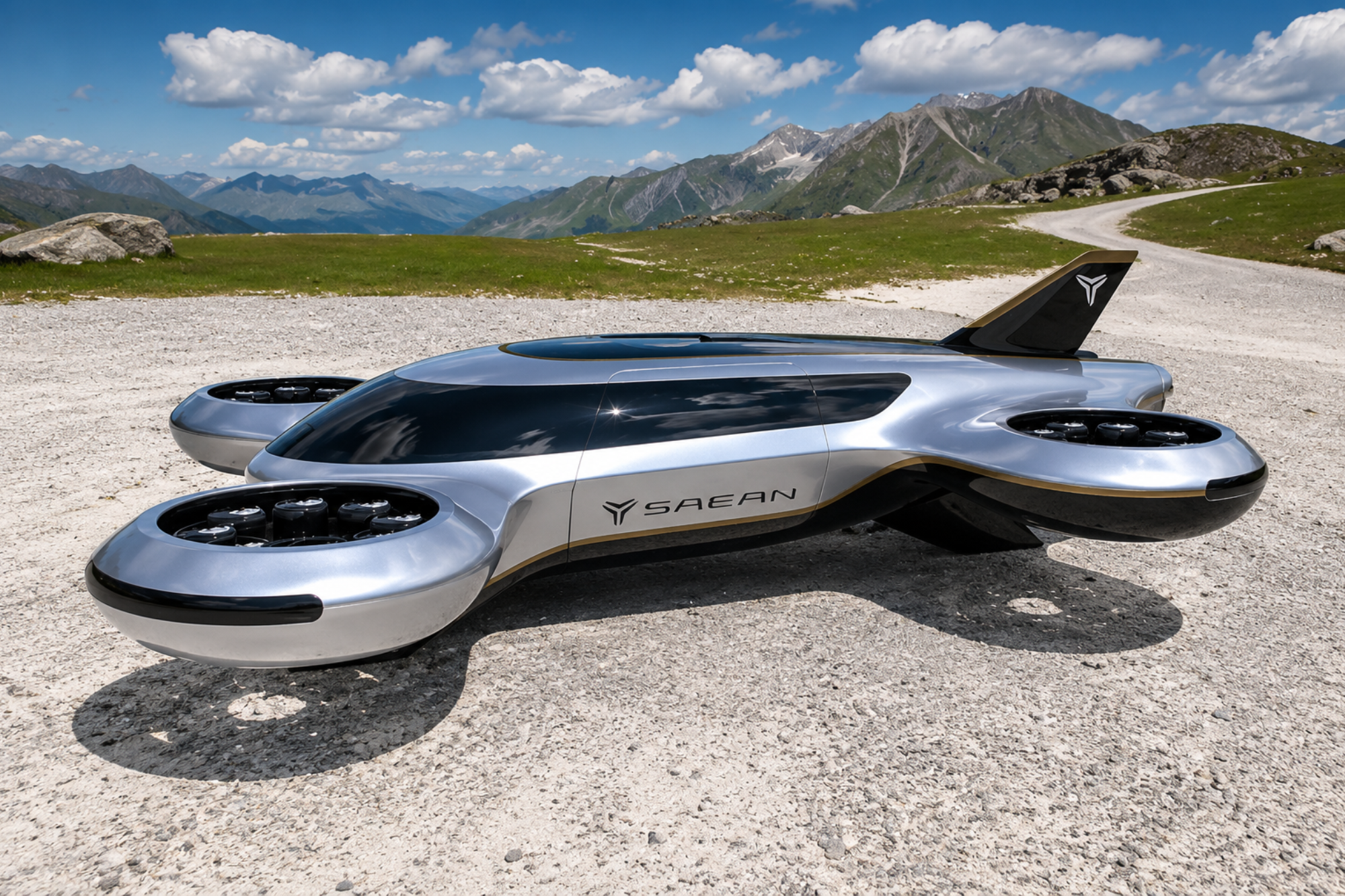
- South Korea Patents a Silent Engine for Air Taxis
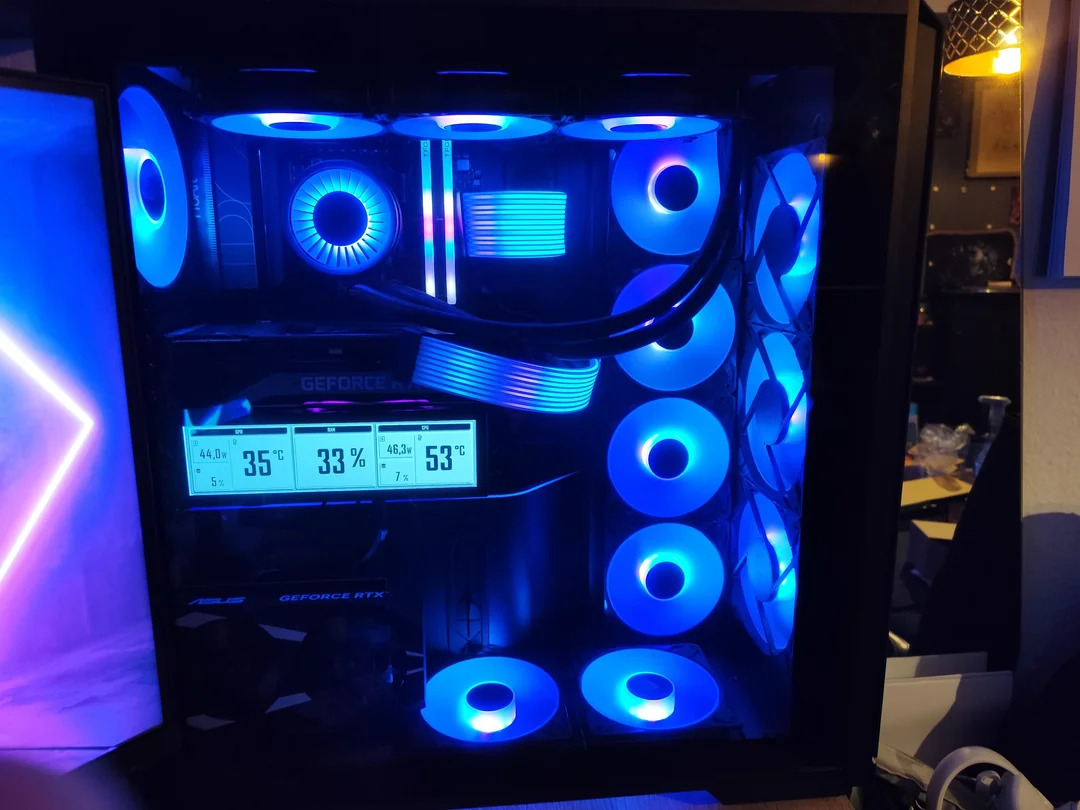
- 144 FPS at 4K: A Gamer Pairs an RTX 3090 and RTX 3050 for Stunning Performance
- Snapdragon 8 Elite Gen 5: Qualcomm’s New Chip Targets Sub-$600 Smartphones
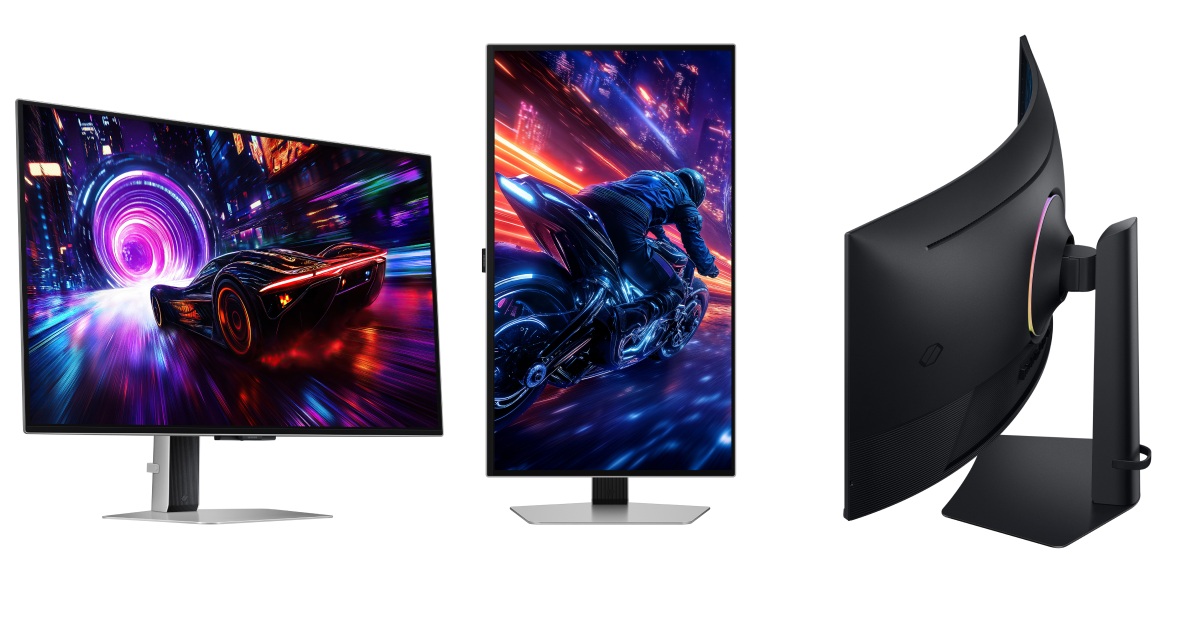
- Samsung Unveils Three New Odyssey Gaming Monitors: Specs and Features Revealed
- Plastic Waste Converted into Jet Fuel: New Breakthrough by Chinese Researchers