US Grants 60-Day License for Iranian Oil Trade: Implications for Ukraine.

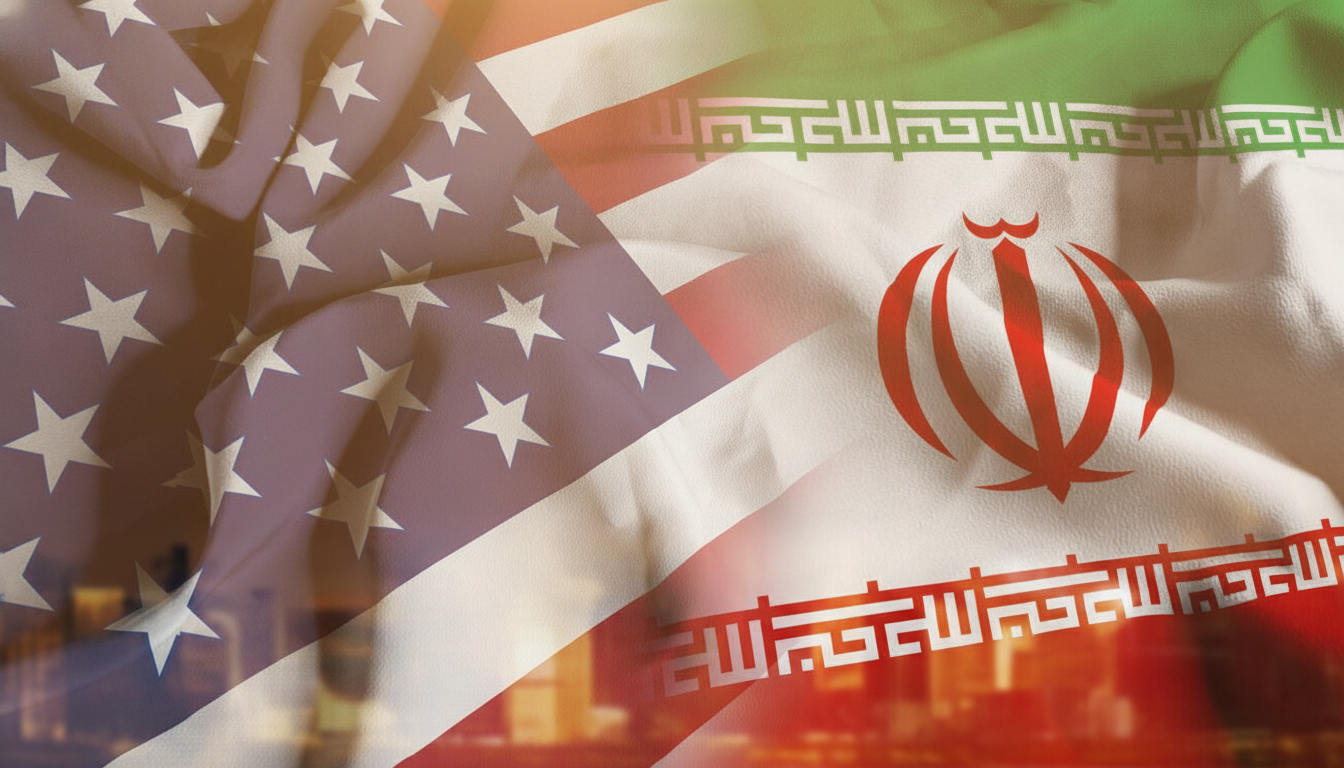
License for Iranian Oil
According to UATV: The U.S. Department of the Treasury has issued a 60-day license authorizing the production, supply, and sale of Iranian oil. This development follows an agreement by Iran to ensure free transit through the Strait of Hormuz and to allow inspectors from the International Atomic Energy Agency (IAEA) access. Issued on June 22, 2023, the license remains valid until August 21, 2026, and covers transactions involving Iranian crude oil and petroleum products.
It is important to note, however, that the license does not apply to dealings with individuals or entities from North Korea, Cuba, Crimea, or other occupied territories of Ukraine. This restriction forms a key part of the updated U.S. policy aimed at regulating international financial and trade relations.
Situation in the Strait of Hormuz
Additionally, on June 20, 2023, Iran announced the closure of the Strait of Hormuz to shipping, raising concerns over maritime security in this strategically vital region. Despite this, the U.S. Central Command reported that 55 vessels passed through the strait on June 21, 2023, indicating that active maritime trade continued despite the restrictions claimed by Iran.
“This license represents a significant step toward ensuring regional stability and improving conditions for international trade,” stated U.S. Treasury Secretary Scott Bessent.
As such, the new license for Iranian oil could become a crucial factor in the global energy balance, especially given the tense situation in the region and the complexities of international relations.
The issuance of this license has the potential to significantly alter dynamics in the global oil market, as Iran possesses substantial oil reserves and could emerge as a key player in energy supply. However, the restrictions on cooperation with certain countries underscore the continuation of U.S. pressure on states deemed threats to international security. The situation in the Strait of Hormuz will remain critical, as any further actions by Iran could impact global trade routes and energy security.
Read also
- China Demands a Fivefold Price Cut: Stalemate in Power of Siberia 2 Pipeline Talks
- Ukraine’s Parliament Ratifies Free Trade Deal with Turkey: What It Means for Trade and Economy
- Kyrgyzstan Imposes Indefinite Ban on Gasoline and Diesel Exports: What It Means for the Region
- 21-Year Low: Russia's Oil Refining Output Plummets After 50 Strikes in 100 Days
- Fuel Shortage Spreads Across 78 Regions, Pushing Russia Toward a Food Crisis
- China's Trade Leverage Over Russia Surges from 10% to 40% as Putin Becomes the Dependent Partner