Potential US Surgical Strikes on Iran: Timeline and Regional Tensions.

US Considers Military Action Against Iran
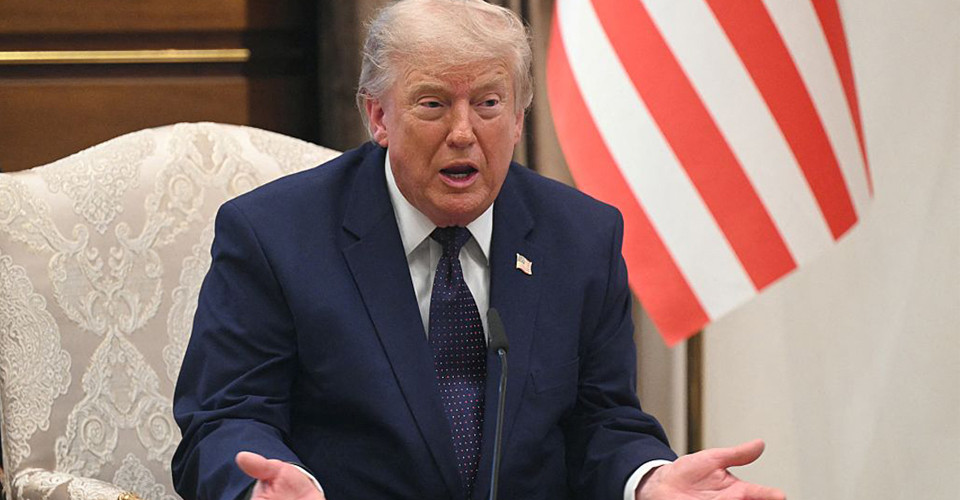
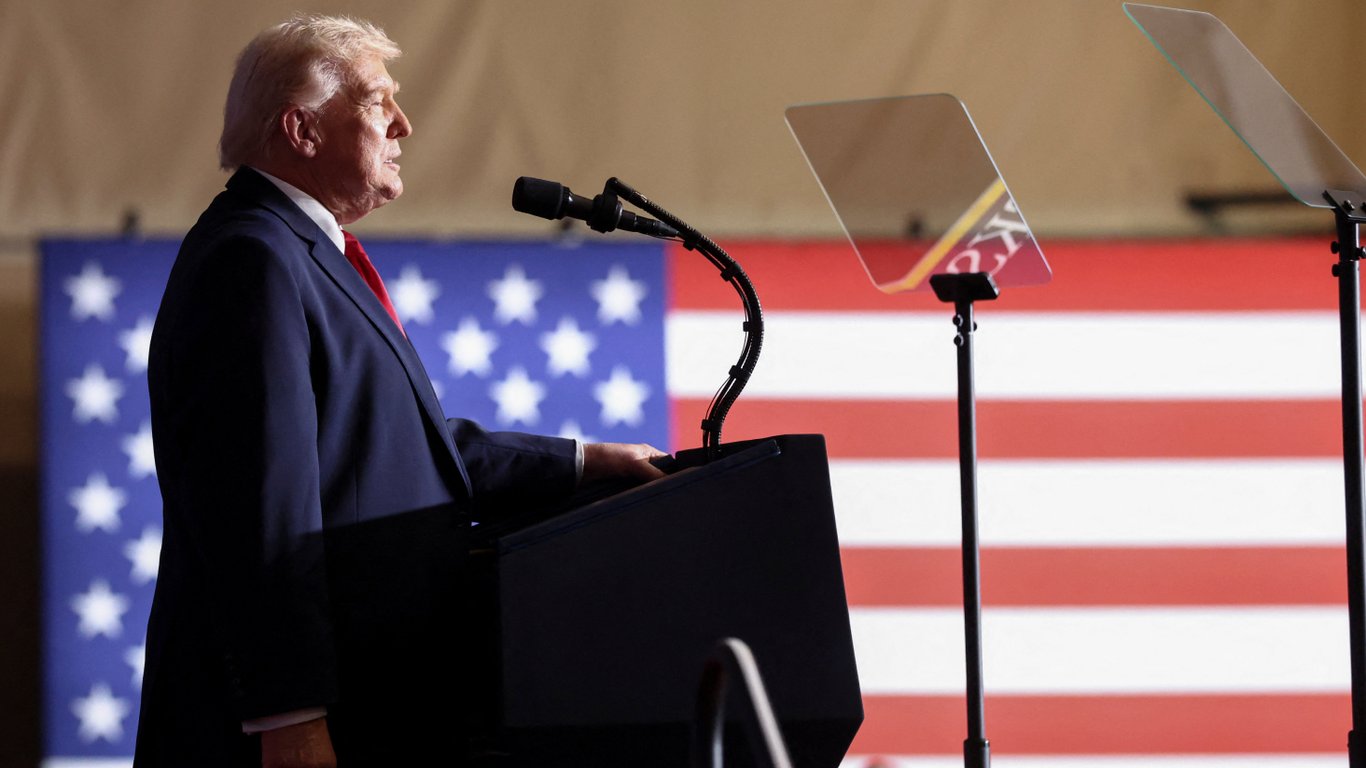
According to Novyny.live: The United States is evaluating options for a limited military intervention against Iran, which could include 'surgical strikes' targeting Iranian officials. According to reports, such strikes could be launched by the end of this week. These potential actions reflect Donald Trump's consistent stance on seeking a change in Iran's political regime and underscore a broader pattern of strengthening the US military posture in the Middle East. This comes amid a long-standing adversarial relationship between Washington and Tehran.
US forces in the region are approaching peak strength, with the country actively replenishing its stocks of interceptor missiles. However, significant international opposition exists to any potential military intervention. Saudi Arabia, Oman, Qatar, and Turkey have voiced their opposition to a US attack on Iran, while the United Arab Emirates has stated it will not permit its airspace to be used for strikes against Iran.
Iranian Response and Potential Consequences
Iran has responded with threats against US allies in the Arab world. A senior Iranian official warned that countries hosting US bases used for attacks could themselves become targets. Furthermore, Iran could retaliate by striking American bases or even moving to block the Strait of Hormuz, an action that would have severe repercussions for regional security and global energy markets. The Strait is a critical chokepoint for roughly one-fifth of the world's oil supply.
The situation remains highly tense, and future US decisions could dramatically alter the course of events in the region. The current military activity and diplomatic friction highlight the complexity of modern relations not only between the US and Iran but also between the US and the Gulf states.
The US now faces challenges on both military and diplomatic fronts, as the stance of its Arab allies and Iran's reaction could significantly shift the regional balance of power. Any military action risks triggering a new wave of conflict, threatening not only Middle Eastern security but also global energy stability, given the strategic importance of the Strait of Hormuz to international trade. Consequently, subsequent diplomatic efforts may prove decisive in averting a major escalation and stabilizing the situation.
Read also
- 11 Major Issues Signal Zelensky’s Losing Grip on the Military
- Trump Declares Victory Over Iran as New Strikes Hit the Strait of Hormuz, Resuming War
- Over 60 U.S. Senators Back New Russia Sanctions: What's at Stake
- EU at a Crossroads: Latvia’s Premier Urges Tougher Sanctions on Russia as 21st Package Stalls
- At Kyiv Summit, Zelensky Urges Europe to Maintain Pressure on Russia Through Sanctions
- Massive protests erupt across Ukraine after defense minister Fedorov is dismissed