Divergent Paths: Assessing the U.S. and EU's Uncoordinated Sanctions Against Russia.

Lack of Coordination in Sanctions Policy
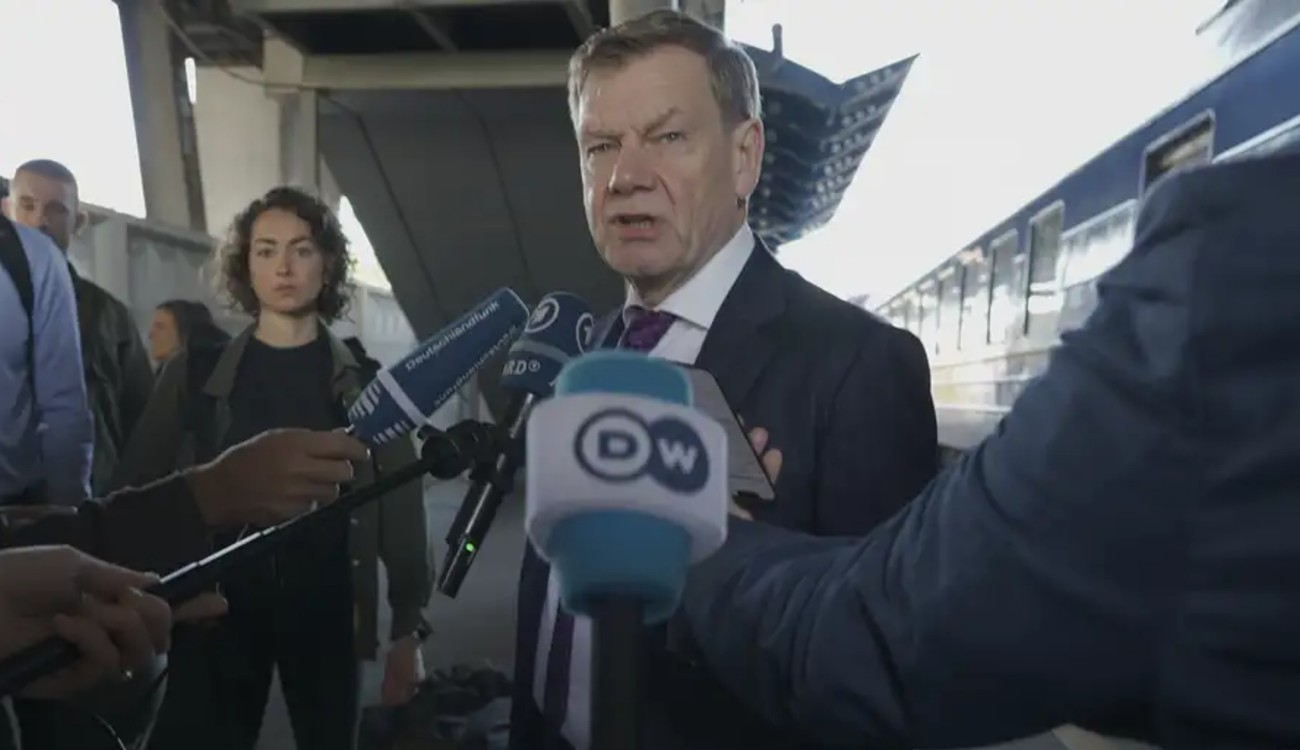
According to UATV: Political analyst Igor Reiterovich has pointed out a significant lack of coordination between the United States and Europe regarding sanctions against Russia. He observed that the U.S. has been more effective in intercepting tankers from the shadow fleet, while the primary burden of implementing sanctions has fallen on the European Union. According to Reiterovich, the Americans act more decisively in policing maritime shipments, whereas Europe continues to trade with Russia despite the imposed restrictions.
Reiterovich emphasized that the sanctions enacted by the European Union are not coordinated with the United States. This has resulted in a situation where trade volumes between Russia and the U.S. stand at $3 billion, while figures with Europe are substantially higher. The expert stated,
"The paradox of the situation is that with one hand the European Union is striking Russia, while with the other hand it continues to trade with this same Russia"— Igor Reiterovich. This disjointed approach highlights a key strategic weakness in the Western response to the ongoing conflict.
Potential Shifts in EU Sanctions
Meanwhile, European Commissioner Valdis Dombrovskis has announced the potential for a ban on maritime services for vessels transporting Russian oil. This move could signal the EU's intent to increase pressure on Russia; however, the lack of coordination with the American side may diminish the effectiveness of such measures. Reiterovich noted that
"the Americans are still acting much more on principle"— Igor Reiterovich, underscoring the differing approaches to enforcing sanctions. The effectiveness of sanctions often hinges on unified action to close loopholes and prevent evasion.
Consequently, the situation regarding sanctions against Russia remains complex and demands closer cooperation between the U.S. and the European Union to achieve common objectives. The absence of coordinated action risks rendering the sanctions less impactful on the Russian economy and complicates international security policy in the region. The EU's forthcoming steps, particularly regarding the proposed maritime services ban, will serve as a crucial test for alliance coordination and the overall efficacy of the sanctions regime.
Read also
- Germany Seeks to Exempt Ukraine Aid from Its 'Debt Brake' Rule: What This Proposal Means
- Ukraine Strikes Russian Oil Depots and Tankers: Key Details Revealed
- Constitutional Compliance or Cabinet Reshuffle: What Lies Ahead for Ukraine's Leadership
- Minister Urges Immediate Action Against Russia Following Massive Missile Strike on Kyiv
- After Massive Strike on Kyiv, Ukraine’s Foreign Minister Urges Allies to Pressure Russia
- Massive Ballistic Strike on Kyiv Claims One Life, Injures 16