EU Ambassadors Approve 21st Sanctions Package: 32 Russian Banks to Lose Transaction Access.

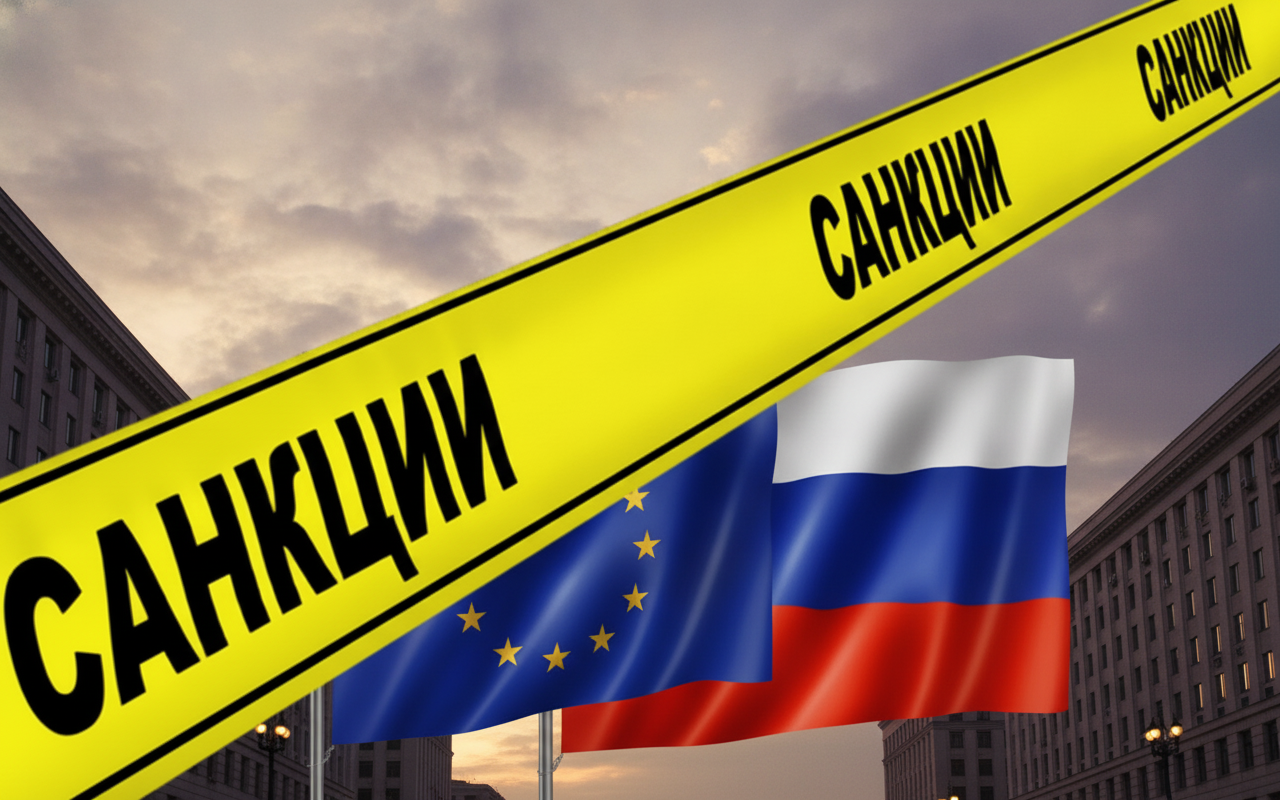
New Measures Target Russian Federation
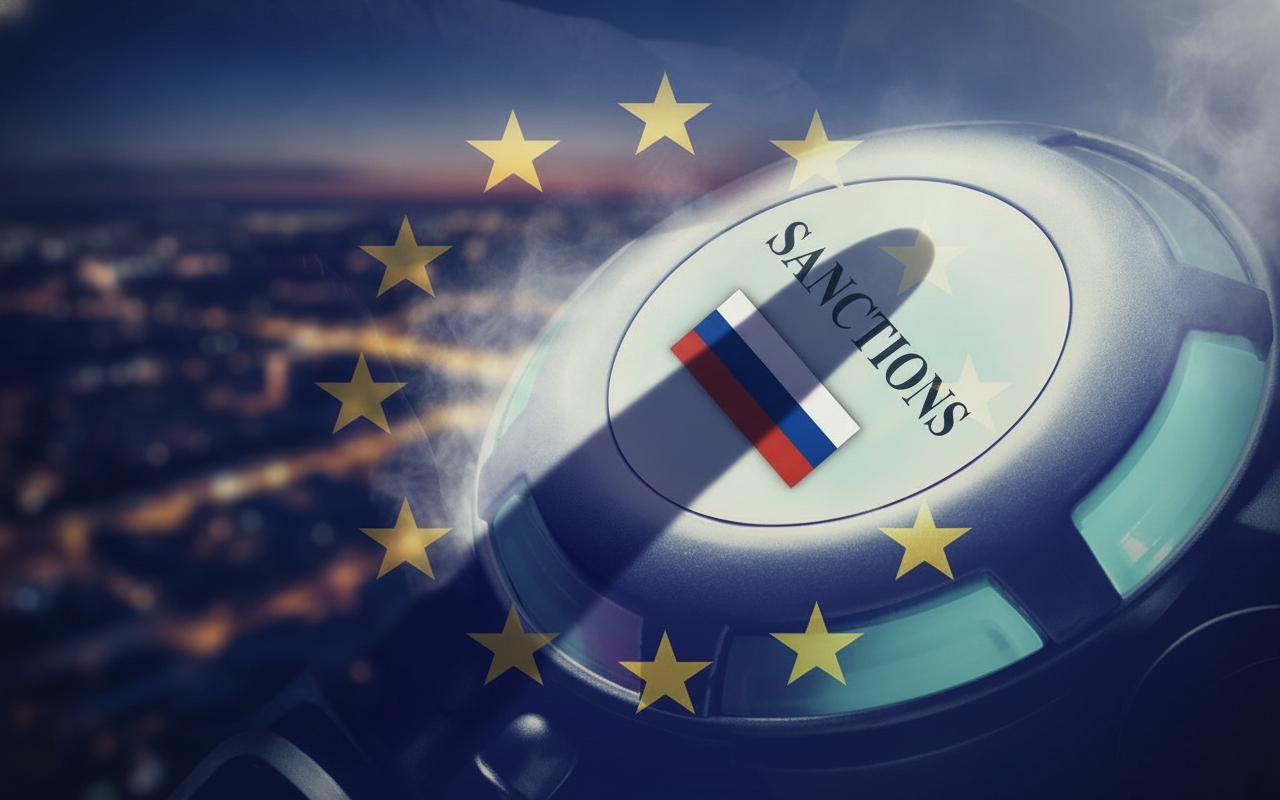
According to UATV: Ambassadors from European Union member states have greenlit the 21st sanctions package against Russia, designed to cut Moscow’s oil revenues and restrict financial dealings with Russian banks. A key component of this package prohibits European banks from processing transactions with 32 Russian financial institutions, a move expected to significantly curtail Russia’s financial capabilities.
In addition, the sanctions expand the list of vessels in the so-called shadow fleet by nearly 40 ships. This step is part of the EU’s broader effort to monitor the flow of Russian petroleum products and prevent circumvention of existing restrictions. Notably, the package also targets over 200 entities, individuals, and companies, subjecting them to new punitive measures.
Growing Consensus Behind the Initiative
The EU ambassadors have also backed a proposal to formally ban Russian military personnel from entering the bloc, reflecting increasing unity among European nations on security and foreign policy matters. However, the formal adoption process for the 21st sanctions package is not yet complete.
'I welcome the agreement on the 21st sanctions package against Russia.' — Ursula von der Leyen
Following the agreement, EU representative Olof Gill noted that 'Work continues. After each sanctions package is approved, we begin considering what additional steps can be taken in future packages.' He also remarked, 'We have succeeded in adopting 20 sanctions packages. These packages are fulfilling their purpose.'
The latest sanctions package underscores the EU’s ongoing strategy to limit Russia’s economic power and bolster international security. By expanding the number of individuals and organizations under restrictions, the European Union aims to intensify pressure on Moscow to change its policies. This demonstrates the growing unanimity among European countries in their approach to security and foreign policy, as well as their willingness to continue sanctions actions if necessary to achieve their objectives.
Read also
- Ukraine and Raytheon Agree on Joint Production of Interceptors for Patriot Systems
- Patriot Interceptors to Be Co-Produced by Ukraine and Raytheon: Key Insights
- EU Adopts 21st Sanctions Package Against Russia: Banks, Crypto, and Shadow Fleet Hit
- Ireland Pledges €125 Million to Ukraine: €100 Million for Non-Lethal Military Gear
- Azerbaijani President Aliyev's Statements on Ukraine Garner 1.9 Million Views at Shusha Media Forum Featuring Ukrainian Outlets
- Syrskyi’s Criticism of Military Contracts: What Changes After His Dismissal