How a Vast Target Bank Fuels U.S. and Israeli Strikes on Iran.

U.S. and Israeli Operations in Iran
According to UATV: American and Israeli forces are conducting ongoing operations against Iranian targets, with a primary focus on neutralizing air defense systems and ballistic missile installations. These actions form part of a broader strategy to limit Iran's military threat. The foundation of this campaign is a meticulously compiled target bank containing intelligence on thousands of sites, which are being systematically destroyed in phases.
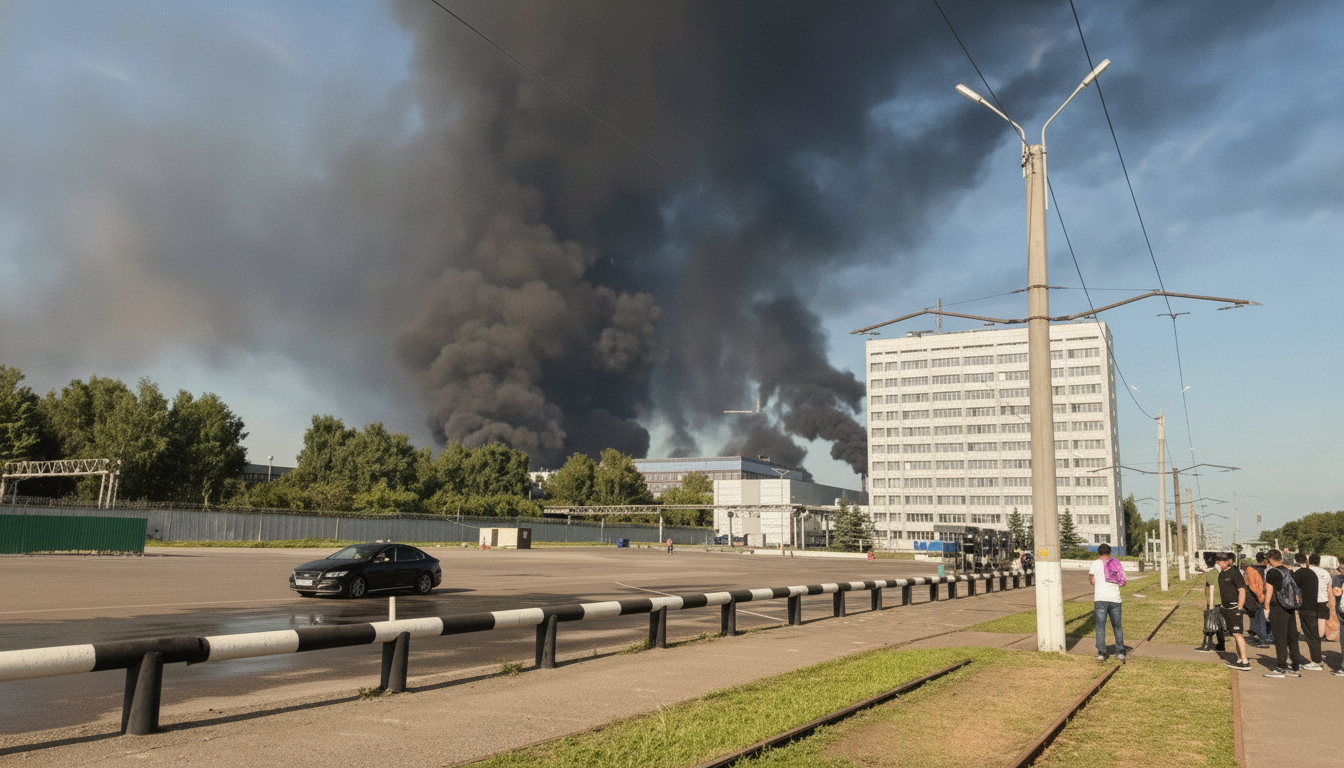
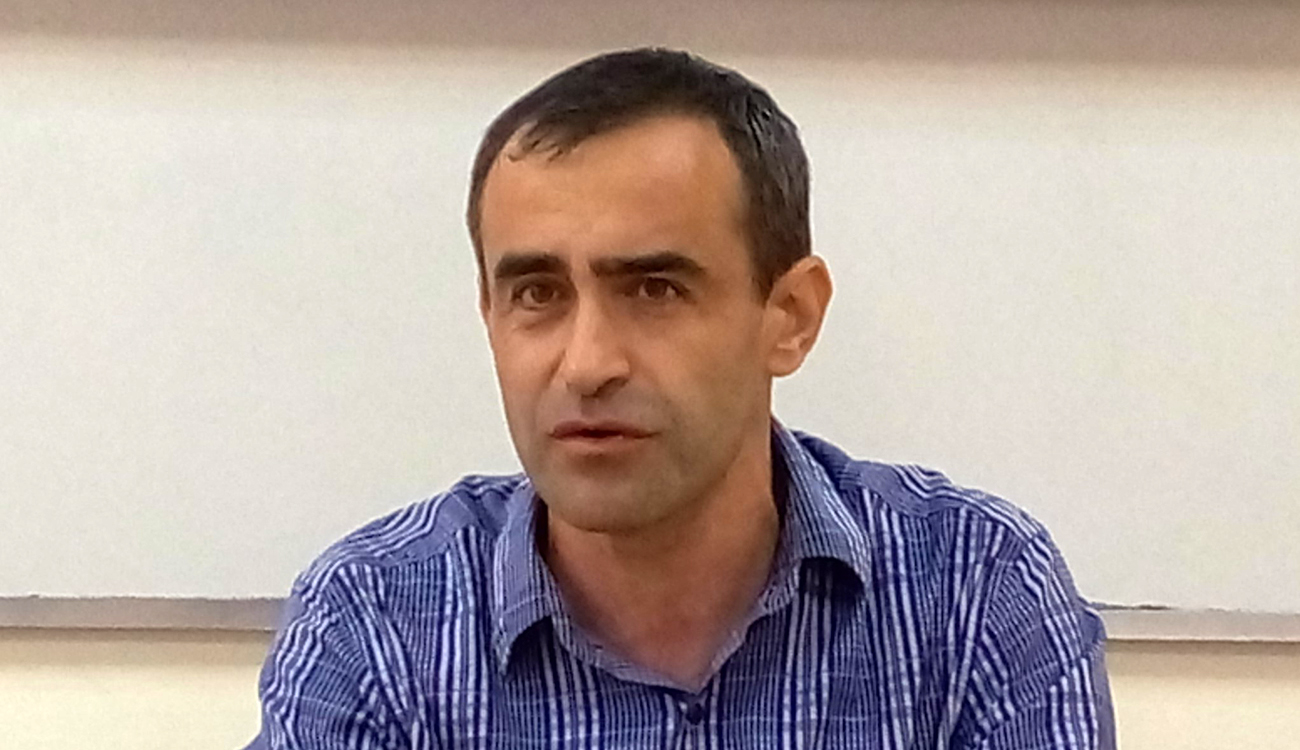
Strike preparations unfold over many weeks, prioritizing assets that pose an immediate danger, such as air defense and ballistic missile sites. In the context of the current conflict, Israel has specifically targeted oil storage facilities in the Tehran area. As expert David Sharp explains:
'The core of this preparation is a target bank, encompassing thousands of known and reconnoitered objectives, leading to their phased destruction.' David Sharp
Sharp further emphasized that other targets, not necessarily pre-listed in U.S. or Israeli plans, can be added and struck during an operation. 'In principle, the Israeli Air Force can execute this within a matter of hours,' Sharp noted. This ongoing military pressure occurs against a backdrop of long-standing regional tensions and concerns over Iran's nuclear program.
Significantly, U.S. President Donald Trump previously stated that any decision to halt operations in Iran would be made jointly with Israeli Prime Minister Benjamin Netanyahu. These declarations underscore the close military coordination between the two allies.
The Regional Situation
Consequently, the regional climate remains tense as the United States and Israel continue their strikes on Iranian facilities, aiming to diminish the potential threat from Tehran.
The actions of the U.S. and Israel reflect not only an intent to curb Tehran's military activity but also signal a risk of escalating conflict in the Middle East. The tight coordination between Washington and Jerusalem highlights a strategic partnership capable of shifting the regional balance of power. Given the rising tensions, monitoring the subsequent steps of both nations is crucial, as their decisions will significantly impact regional stability and international relations.
Read also
- 50% Tariffs Imposed by Trump on Canadian Goods: Automobiles, Alcohol, and Dairy Hit Hard
- Trump Denies Netanyahu Arrest in US as ICC Warrant Looms Over Israeli PM’s UN Visit
- What Trump and the UK’s New Prime Minister Discussed in Their First Call
- Iran Faces US-Israel Ultimatum: Accept a Ceasefire or Prepare for Joint Military Action
- Iran Crisis Deepens: Why a Military Solution Is Inevitable, According to an Expert
- Why Rubio’s Call to Protect Shipping in the Strait of Hormuz Matters for Global Security