What Renewed US-Russia Military Contacts Mean for Ukraine's Security.

US and Russia Resume Military-Level Communications
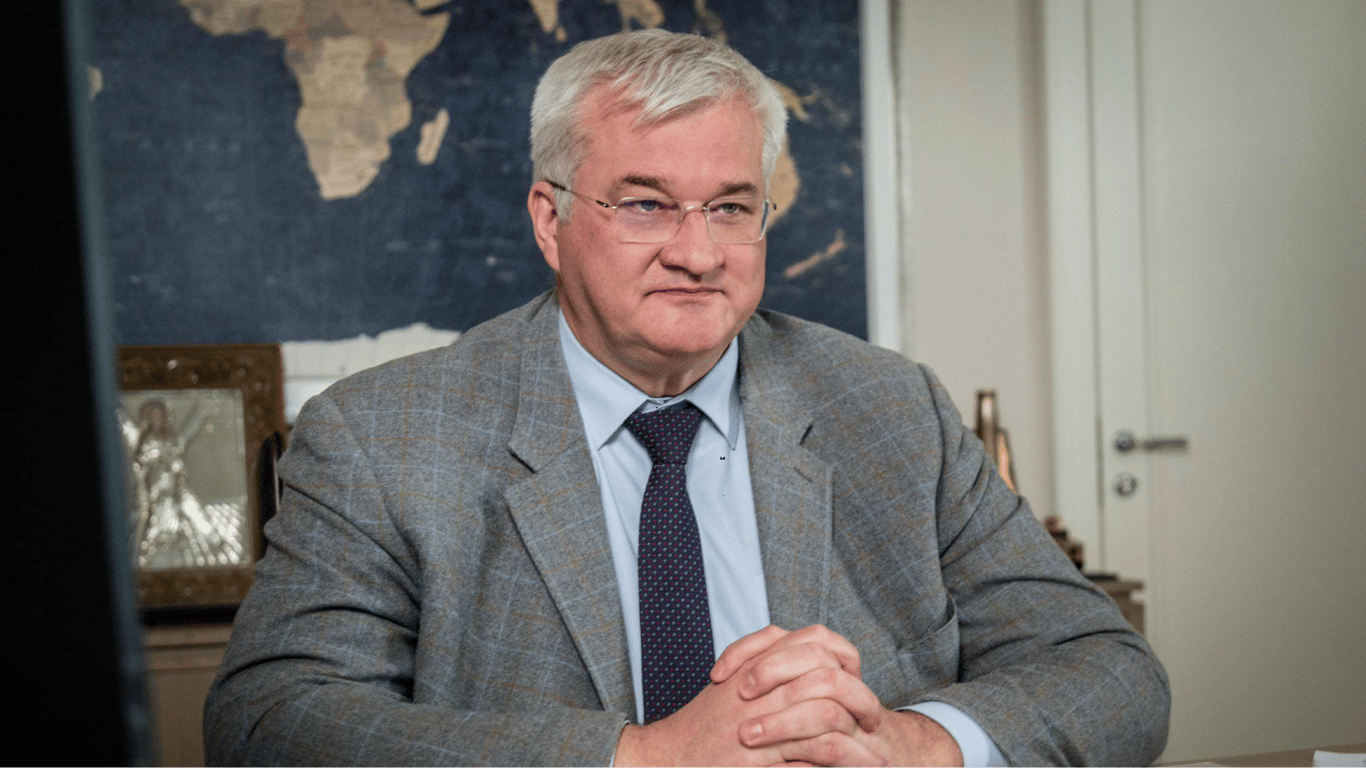
According to Novyny.live: Ukraine's Foreign Minister, Andrii Sybiha, announced on February 6 that the United States and Russia are re-establishing high-level military contacts, which had been suspended since the start of the war in Ukraine. This development occurs against a backdrop of heightened international tensions directly resulting from the ongoing conflict. The resumption of dialogue between the two nuclear superpowers is a significant diplomatic shift that warrants close observation.
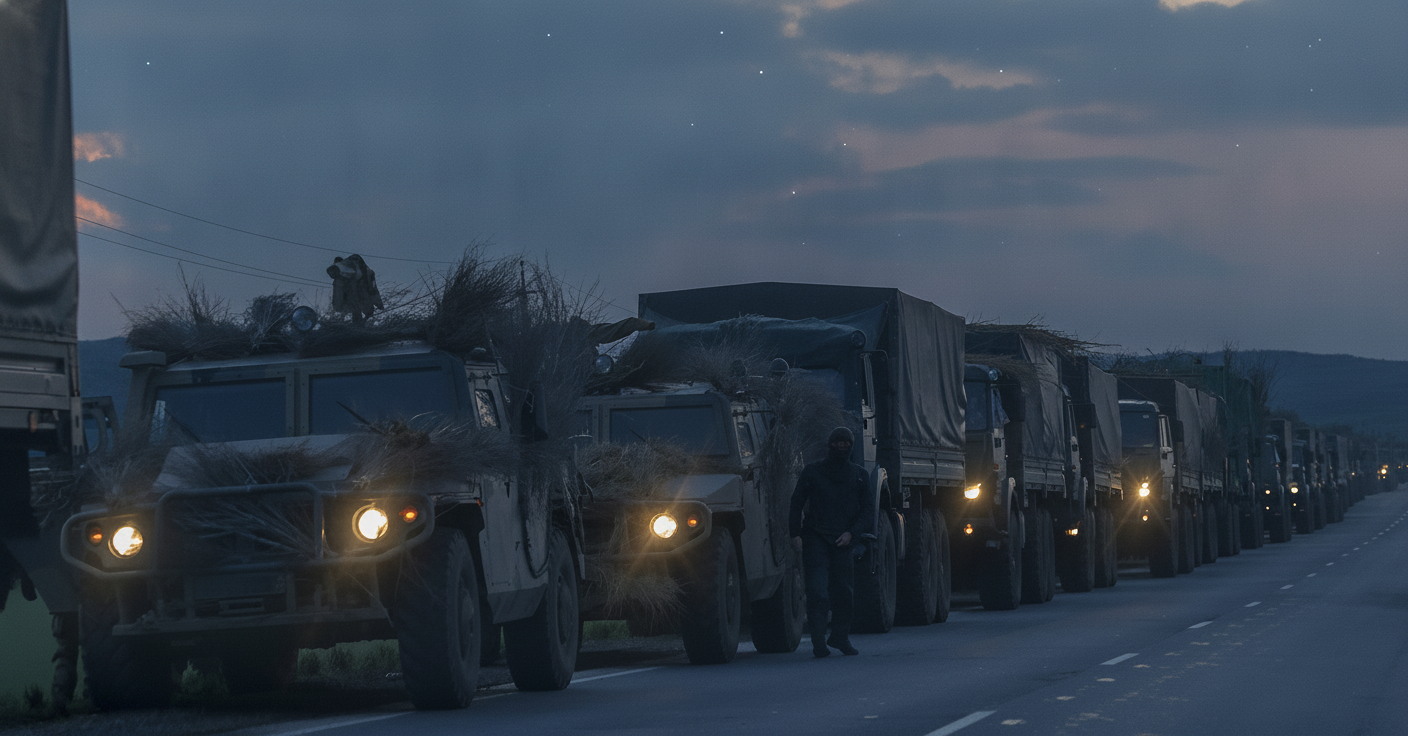
This move comes just one day after the New START treaty, which regulated the strategic nuclear arsenals of the US and Russia, expired on February 5. The lapse of this key arms control agreement has raised serious concerns within the international community, as a lack of nuclear arms oversight could lead to increased global threats. The United Nations has called for the urgent establishment of a new framework to control nuclear arsenals and ensure global security.
Andrii Sybiha emphasized that relations with Russia have often been characterized by deception and a failure to uphold commitments on Moscow's part.
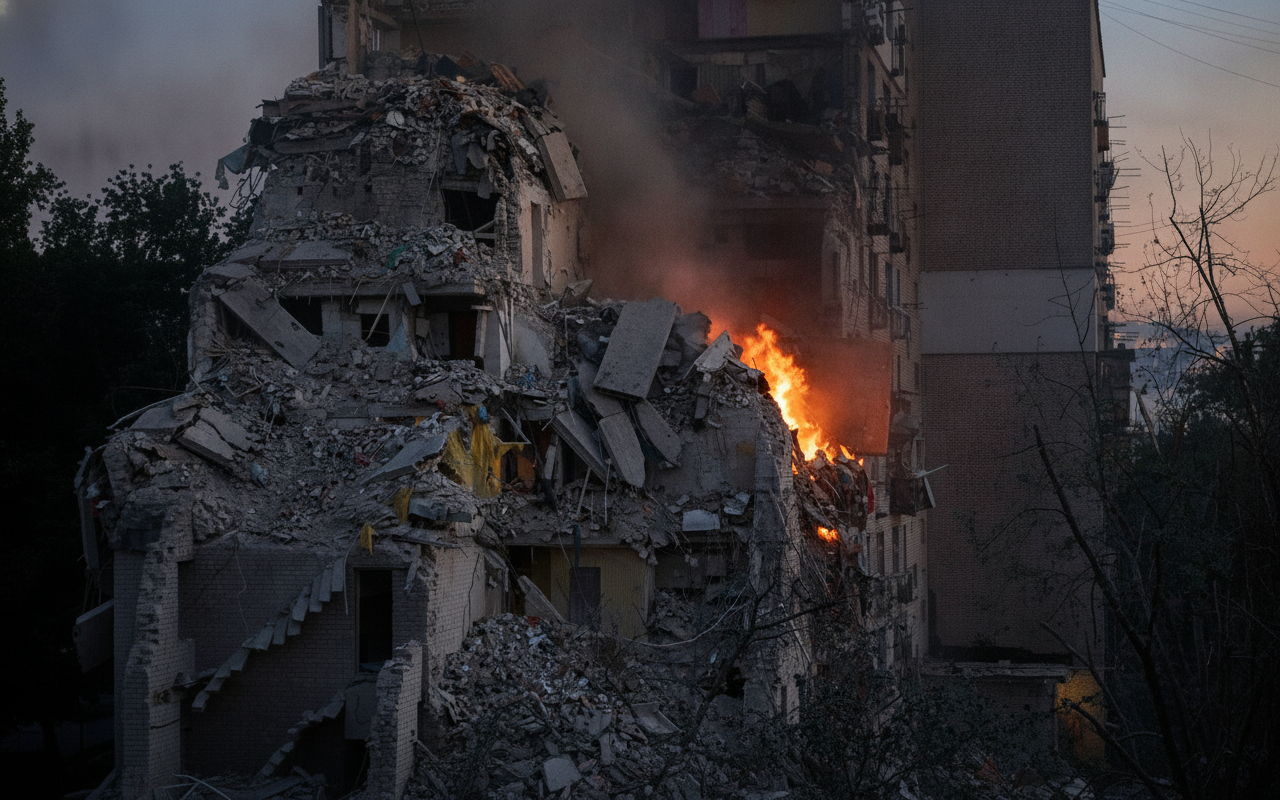
This history creates additional risks for regional stability, particularly for Ukraine, which continues to suffer from the consequences of Russian aggression. The renewal of US-Russia military contacts, while potentially aimed at de-escalation, is viewed with apprehension and requires vigilant monitoring by Ukraine and its allies.
Potential Consequences of the Renewed Dialogue
The resumed military contacts may indicate an attempt by both nations to reduce escalating tensions. However, given the past record of interaction, there is a significant risk that these communications will not lead to any substantive changes in the broader context of international politics. In light of the New START treaty's expiration, the international community must be especially attentive to potential shifts in the strategic balance of power and nuclear arms control. Such shifts could have profound implications for global security and stability throughout the region, directly impacting the course of the war in Ukraine.
Read also
- Estonian Prime Minister Urges Europe to Ramp Up Defense Spending and Intensify Pressure on Russia
- Access Denied to Officer: Tkachenko Reports Obstruction at Kyiv's Situational Center
- Ahead of NATO Summit, Germany and Baltic States Move to Bolster Deterrence Against Russia
- Why Russia Hasn't Used Nuclear Weapons, According to a Former US Ambassador to NATO
- Russia's Strikes on Civilian Infrastructure: Political Analyst Reveals the Kremlin's Core Objective
- Emergency Document Evacuation in Crimea After Ukrainian Strikes on Airfields