Russia's Strikes on Civilian Infrastructure: Political Analyst Reveals the Kremlin's Core Objective.

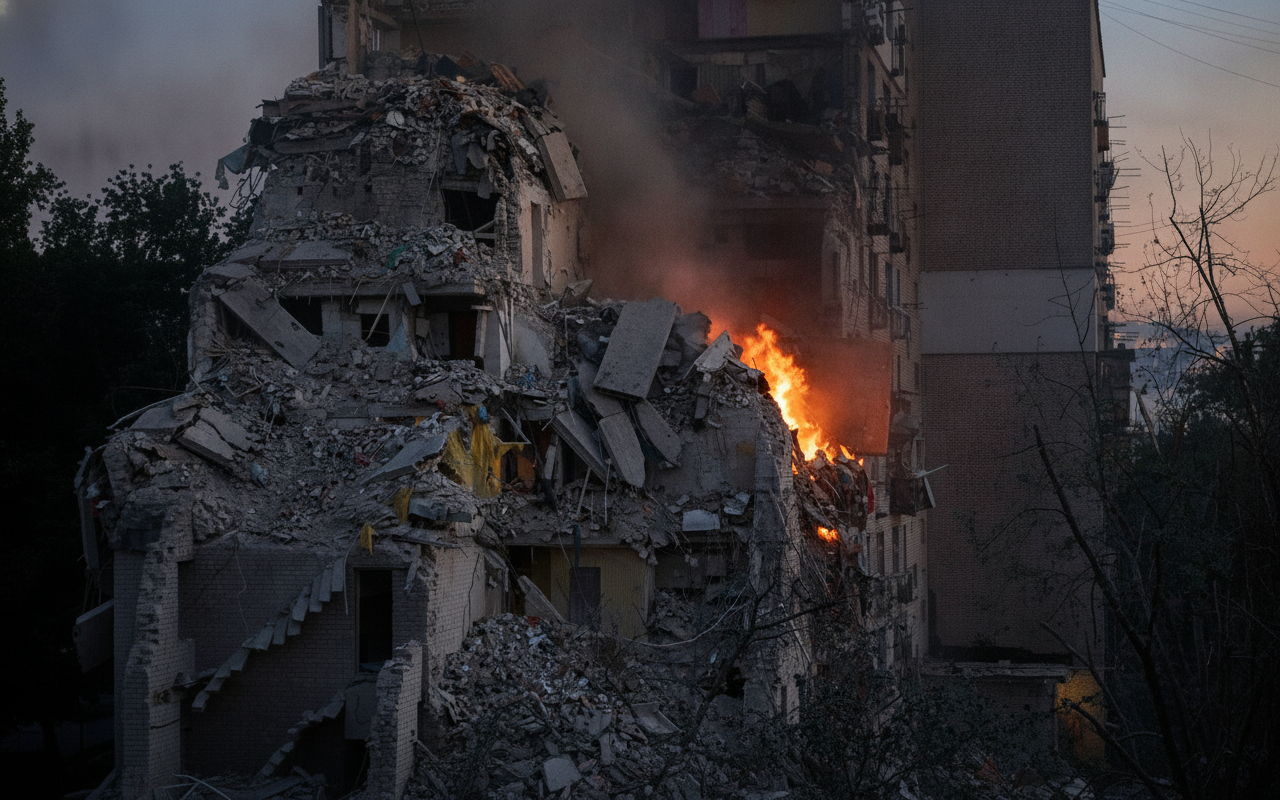
How Russian Attacks Affect Ukraine and International Politics
According to UATV: Political analyst Andriy Rudyk has examined Russia's strikes on Ukraine's civilian infrastructure, highlighting their impact on public morale and how the international community perceives the aggression. He emphasized that these actions are viewed as war crimes and acts of terrorism. According to Rudyk, the primary goal of such attacks is
"to break the will to resist".
As the full-scale war has now lasted over ten years, Russia continues to pursue strategies aimed at intimidating the Baltic states. These moves have provoked mixed reactions across Europe, revealing differing approaches to assessing the situation. At the same time, the high level of atomization within Russian society makes it difficult to form a unified response to the war.
The State of Russian Society
Rudyk also noted that
"such actions can also be regarded as terrorist acts", further underscoring the gravity of the situation. He observed that currently, "we are not seeing major signs that Russian society is inclined to end the war." The political analyst expressed doubts about the reliability of certain studies concerning public sentiment in Russia, stating:
"I would question the relevance of such research".
As a result, the situation surrounding Russia's strikes on Ukraine remains tense, with their effects on the population and international politics causing serious concern.
It is worth noting that Russia's actions, classified as war crimes, could have long-term consequences not only for Ukraine but also for security across Europe as a whole. The psychological pressure inflicted on the population through these attacks may shift public sentiment and political stances in neighboring countries that also perceive a threat from Russia. This underscores the need for international solidarity and a systemic response to the aggression in order to prevent further escalation of the conflict.
Read also
- Zelensky and Top Military Command Outline Response Plan to Russian Strikes
- EU's New Sanctions Package Targets Crypto Platforms Used to Bypass Restrictions
- New directives for Ukraine's National Security and Defense Council: Zelenskyy assigns tasks to Umerov and Klymenko
- Ukraine Extradites Former Lawmaker Demchak in Major Push to Bring Back Suspects
- EU Adopts 21st Sanctions Package Against Russia: What the New Restrictions Target
- Lithuania Accuses EU Nations of Undermining Sanctions for Their Own Economic Gain