Ahead of NATO Summit, Germany and Baltic States Move to Bolster Deterrence Against Russia.

High-Level Talks in Berlin: Germany and Baltic Leaders Unite on Defense
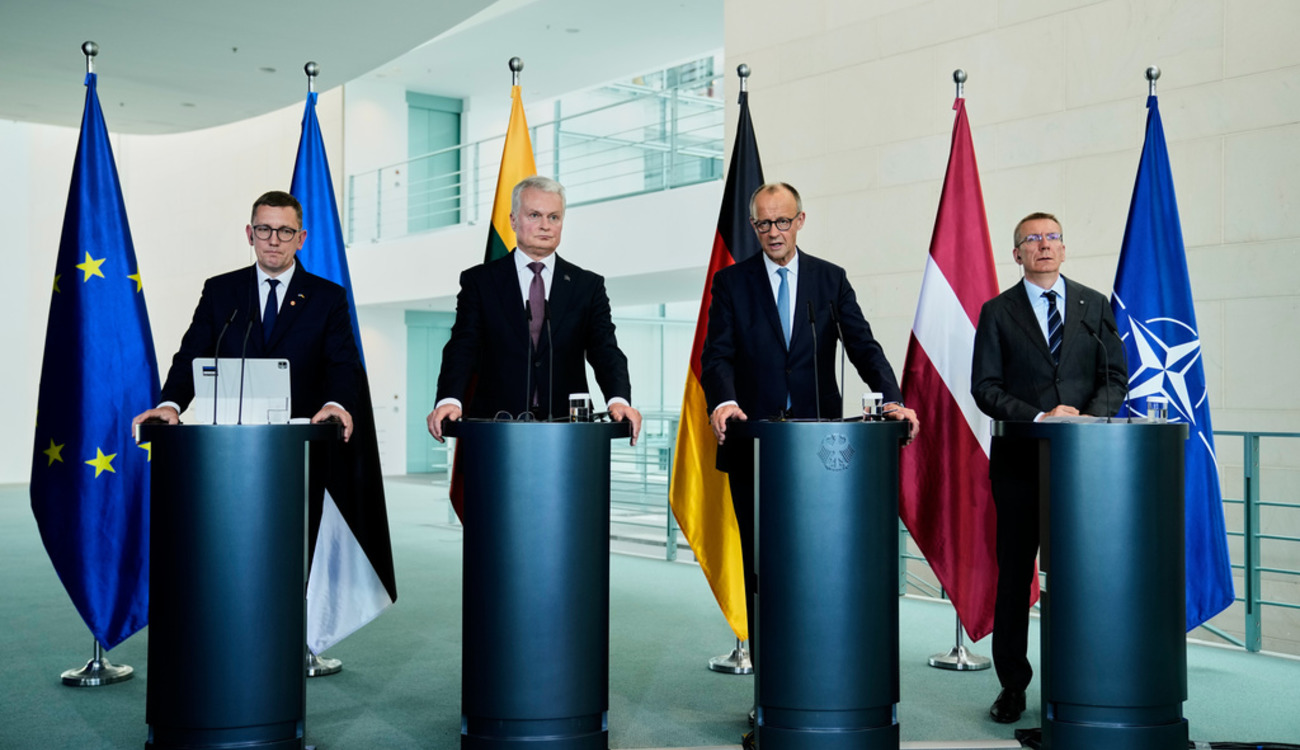
According to UATV: On July 3, 2023, a pivotal meeting took place in Berlin, bringing together German Chancellor Friedrich Merz, Lithuanian President Gitanas Nausėda, Latvian President Edgars Rinkēvičs, and Estonian Prime Minister Kristen Michal. Their discussions, held just days before the NATO summit scheduled for July 7-8 in Ankara, focused on strengthening deterrence against Russia, increasing defense spending, and reinforcing support for Ukraine.
Core Topics on the Agenda
The leaders tackled major issues including boosting defense investments, enhancing European security, and sustaining aid to Ukraine. A key outcome was Germany's pledge to double its defense budget over the next four years. Estonia, meanwhile, already allocates more than 5% of its GDP to core defense needs, underscoring the region's commitment to bolstering its own security.
- Ramping up defense investments
- Fortifying European security
- Continuing assistance to Ukraine
German Chancellor Friedrich Merz emphasized that 'the NATO summit in Ankara must be a success,' highlighting the critical need for unity within the Alliance.
Lithuanian President Gitanas Nausėda called for 'a stronger Europe within a stronger NATO,' framing this as a shared strategic objective. Latvian President Edgars Rinkēvičs stressed that 'it is essential for this figure to translate into concrete military capabilities,' pointing to the necessity of turning commitments into tangible action.
Estonian Prime Minister Kristen Michal noted, 'We have agreed to invest more in defense; now we must turn these promises into real capabilities.' This reflects the region's collective goal of improving defense readiness and ensuring security amid escalating international tensions. Three key NATO priorities remain central for all participants: converting the pledge to spend 5% of GDP on defense into actual military strength, preserving Alliance cohesion, and maintaining support for Ukraine.
This meeting underscores the growing influence of Germany and the Baltic states in shaping Europe's security policy in the face of current challenges, particularly Russian aggression. Increasing defense expenditures and backing Ukraine are vital steps for ensuring regional stability and strengthening cooperation within NATO. The upcoming summit in Ankara will serve as a crucial platform for charting the next moves in this direction.
Read also
- Three Russian Aircraft Intercepted by Poland as Warsaw Braces for Fresh Provocations from Moscow
- Germany Raises Threat Level to 'High' and Launches Joint Nuclear Drills with France
- NATO Warned of Potential Russian Provocations in Poland and the Baltics: Key Details
- Kremlin Plot Fears: Lithuania and Poland Warn of Russian Provocations
- Lithuania Sees Surge in Army Volunteers as President Naučėdas Warns of Russian Provocations
- Lithuania Receives Intelligence on Potential Kinetic Strikes Against Infrastructure: Nausėda on Defense Measures