Record U.S. Oil Exports in 2025: Which Country Topped the Buyer List?.

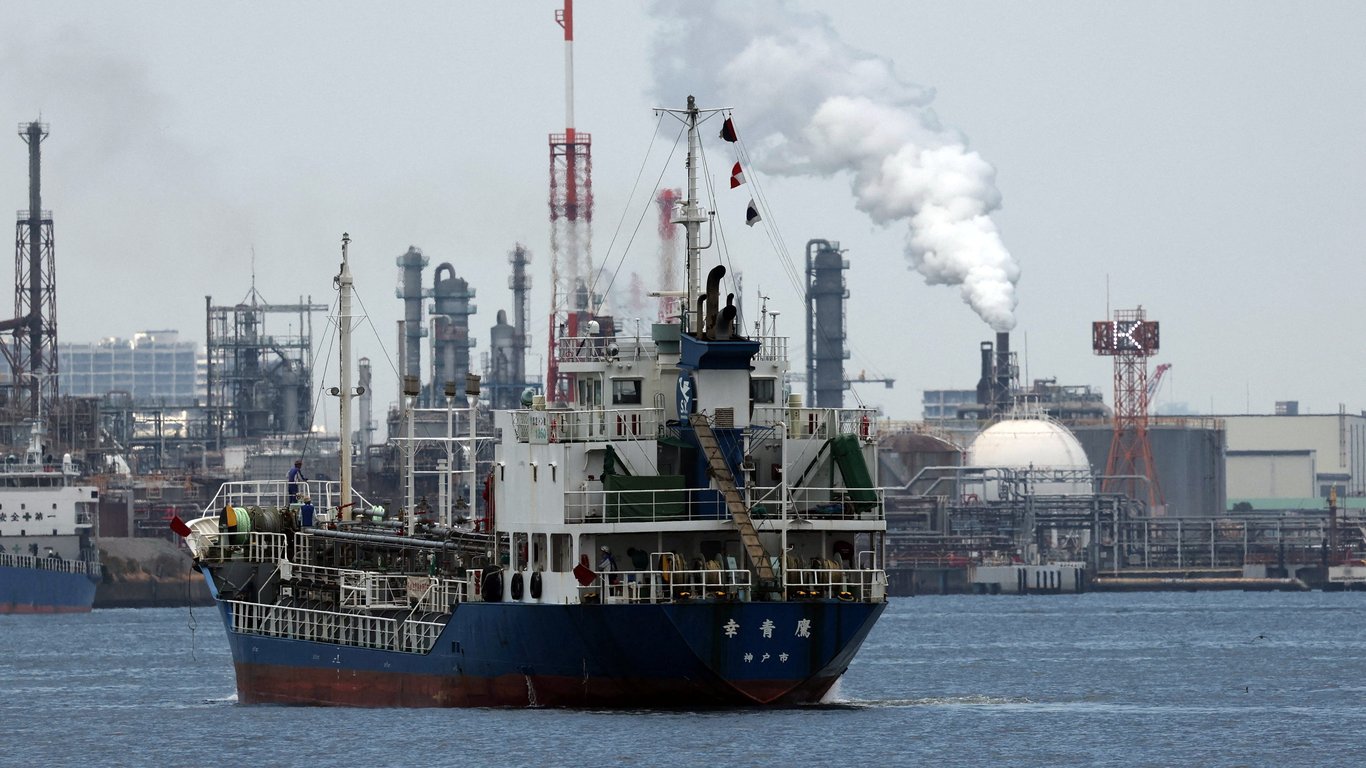
U.S. Crude and Refined Product Exports in 2025
According to Novyny.live: In 2025, the United States shipped nearly 4 billion barrels of crude oil and petroleum products, underscoring the strong presence of its oil and gas industry in global markets. The top importers of American oil were the Netherlands, Mexico, and Canada, which together accounted for a substantial share of total exports.
Specifically, the Netherlands imported 419 million barrels, representing 10.7% of total U.S. exports. Mexico followed with 398 million barrels, or 10.2%, while Canada took in 324 million barrels, equivalent to 8.3%. Other significant buyers of U.S. oil included:
- South Korea (257 million barrels, or 6.6%)
- Japan (247 million barrels, or 6.3%)
- China (238 million barrels, or 6.1%)
- India (221 million barrels, or 5.7%)
- Brazil (133 million barrels)
- United Kingdom (124 million barrels)
- Spain (95 million barrels)
Notably, Chinese imports of American oil dropped by 34% in 2025, while India’s purchases surged by 35% over the same period. These shifts highlight evolving market dynamics and potential realignments in global energy relationships.
Oil Prices and Global Events
As of March 17, 2026, oil prices remained elevated: a barrel of U.S. WTI crude stood at $96.81, European Brent at $103.51, and Abu Dhabi’s Murban grade at $114.10. It is also worth noting that approximately 20% of global oil and liquefied natural gas trade is currently disrupted due to the blockade of the Strait of Hormuz, potentially affecting worldwide supply chains.
Against this backdrop, the conflict in the Middle East has entered its third week as of March 17, 2026, which could further impact oil markets. In Ukraine, natural gas prices have risen by roughly 20% over a few days, reflecting broader energy market instability amid global shifts.
Overall, 2025 marked a pivotal year for U.S. oil exports, characterized by notable changes in importer profiles and fluctuating energy prices.
This data underscores the importance of monitoring global energy markets, as shifts in import patterns often reflect not only economic but also political factors. Developments in the Middle East and changing demand from major economies like India and China could significantly influence future oil prices and availability, with ripple effects across the world economy.
Read also
- China Demands a Fivefold Price Cut: Stalemate in Power of Siberia 2 Pipeline Talks
- Ukraine’s Parliament Ratifies Free Trade Deal with Turkey: What It Means for Trade and Economy
- Kyrgyzstan Imposes Indefinite Ban on Gasoline and Diesel Exports: What It Means for the Region
- 21-Year Low: Russia's Oil Refining Output Plummets After 50 Strikes in 100 Days
- Fuel Shortage Spreads Across 78 Regions, Pushing Russia Toward a Food Crisis
- China's Trade Leverage Over Russia Surges from 10% to 40% as Putin Becomes the Dependent Partner