Demographic gap of Ukraine: losses from the war may reach 10 million people.

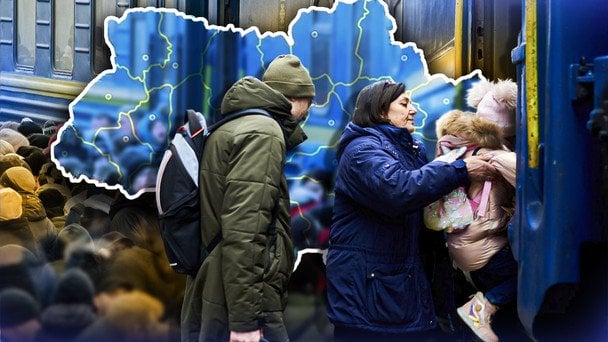
According to ТСН: Demographic losses of Ukraine due to the full-scale war may reach 10 million people.
This estimate, considering casualties, emigration, and other losses, was voiced by the director of the Institute of Demography and Social Studies of the National Academy of Sciences of Ukraine, M.V. Ptukha, Ella Libanova, in an interview.
The situation as a 'demographic gap'
Ella Libanova emphasized that these losses create a 'demographic gap'. She explained in detail that the calculation of 10 million includes all factors related to the war:
“This figure includes everything: additional mortality, additional decline in birth rates, i.e. children not born due to the war. This is migration and occupation. Can it be different? Probably, it can. But at the moment, I don’t see any other options. To the mentioned factors, another one should be added – the impact on the age structure due to the factor of unborn children. Because when we talk about mortality, it includes everyone: both children and adults.”
The exact scale of the war’s impact on future demographics will only become clear after its conclusion and after conducting a census. However, data from Eurostat and other sources already provide the opportunity to draw preliminary conclusions regarding migration.
Emigration and its consequences
Approximately 4.3 million Ukrainians have emigrated from the country (according to Eurostat). To this figure, we can add another 700,000 who are in Britain, the USA, Canada, Latin America, Georgia, and Moldova. Thus, the total number of war migrants abroad is approximately 5 million people.
Among migrants, a third are children and adolescents under the age of 18, while only 6% are people aged 65 and older.
Earlier, Libanova also commented on the possibility of a post-war baby boom, similar to what occurred after World War II.
This data highlights the serious demographic challenges facing Ukraine as a result of the war. Lost generations, reduced birth rates, and mass emigration could significantly impact the country's socio-economic development in the coming decades. Experts are already urging the development of strategies that will help address these issues after the conflict ends.
Read also
- Russia's Nuclear Deterrence System Has Been Broken: What This Means for Ukraine
- Trump sparks Kremlin confusion as Peskov and Zakharova contradict each other
- France and Poland Launch Nuclear Security Group: What It Signals for NATO
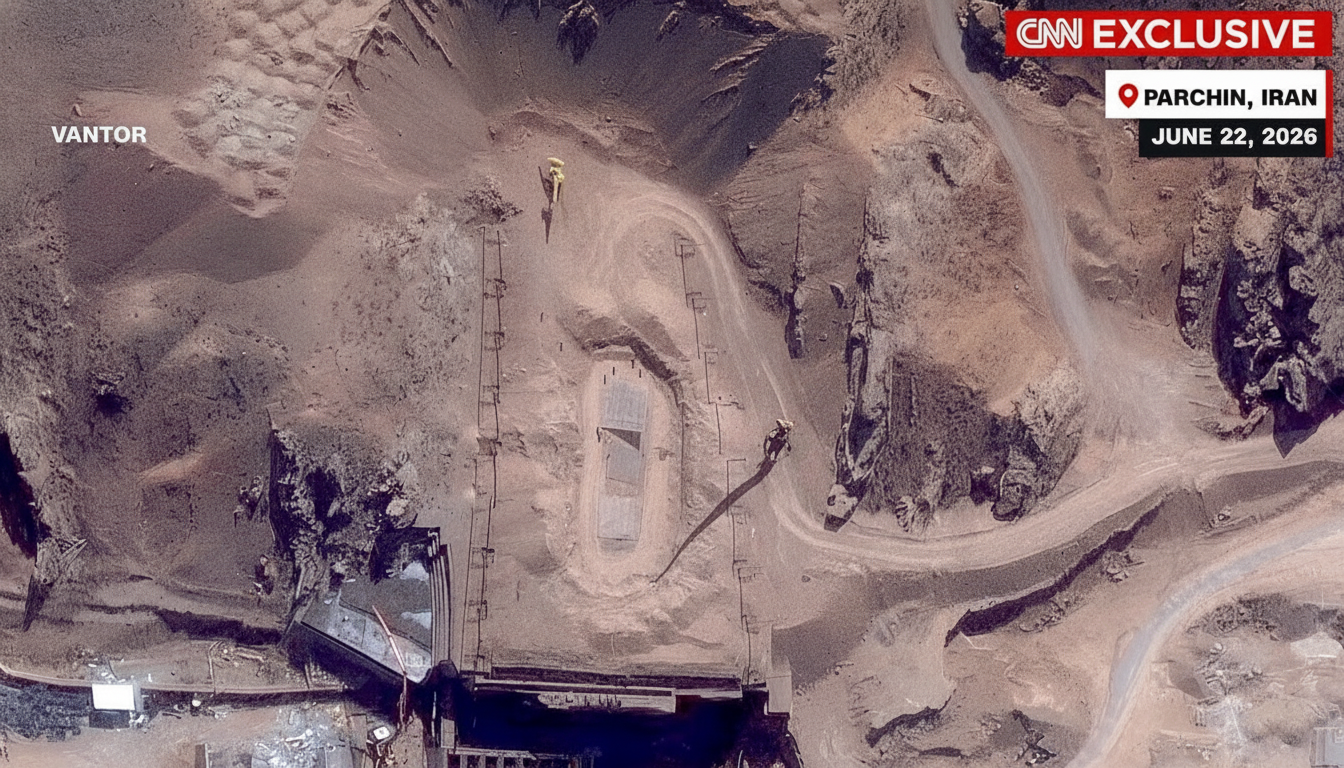
- Satellite Imagery Reveals Iran Reactivating Nuclear Sites After US Deal
- Nearly $3 Million Paid: U.S. Issues First Compensation for 'Havana Syndrome' Victims
- Russia’s Strategic Position Deteriorates as Ukraine Intensifies Counteroffensives: Frontline Analysis