Microsoft's Artificial Intelligence Outperformed Doctors in Diagnosing Complex Diseases.

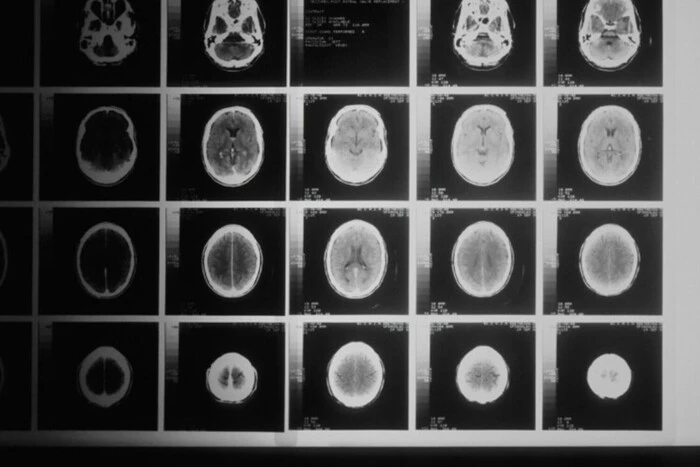
Microsoft has developed an artificial intelligence system for medical diagnostics called Microsoft AI Diagnostic Orchestrator (MAI-DxO), which is designed to assist or even replace the work of doctors in resolving complex medical cases. The tool consists of five AI agents that perform the roles of doctors in various specialties, discuss options, and act collectively to provide conclusions.
The system was tested on 304 complex clinical cases from the New England Journal of Medicine, where the results were very impressive. The 'chain of debates' methodology ensures the algorithm's transparent logic and promotes effective collaboration and collective decision-making among the agents.
Financial Times noted: 'the agents interact, discuss options, and collectively formulate conclusions.'
The most effective AI model recognized during testing was OpenAI's o3 model, which successfully solved 85.5% of medical tasks. This could lead to significant economic benefits and the integration of the system into Microsoft's offerings for processing medical inquiries. The developers aim to create an AI that surpasses human performance in speed, accuracy, and efficiency.
Mustafa Suleyman emphasized: 'we are getting closer to creating an AI that will significantly outperform humans in speed, accuracy, and efficiency.'
Dominic King sees potential benefits of the new system in the healthcare sector, but calls for further testing before widespread implementation. Additionally, it is worth noting a successful heart transplant operation performed by a robot in the USA, which is an important step in the development of medical technologies.
As a result, Microsoft has developed an artificial intelligence system for medical diagnostics that will allow for more efficient resolution of complex cases and can significantly improve access to medical services for citizens. Work on this project opens new perspectives in the field of medicine and is an important step in the implementation of artificial intelligence in practical affairs.
Read also
- Antique Musket Balls Repurposed Into Solar Cells with 94% Efficiency
- South Korea Patents a Silent Engine for Air Taxis
- 144 FPS at 4K: A Gamer Pairs an RTX 3090 and RTX 3050 for Stunning Performance
- Snapdragon 8 Elite Gen 5: Qualcomm’s New Chip Targets Sub-$600 Smartphones
- Samsung Unveils Three New Odyssey Gaming Monitors: Specs and Features Revealed
- Plastic Waste Converted into Jet Fuel: New Breakthrough by Chinese Researchers