The Mysterious L Mode on Automatic Transmissions in Cars - What Is It For.

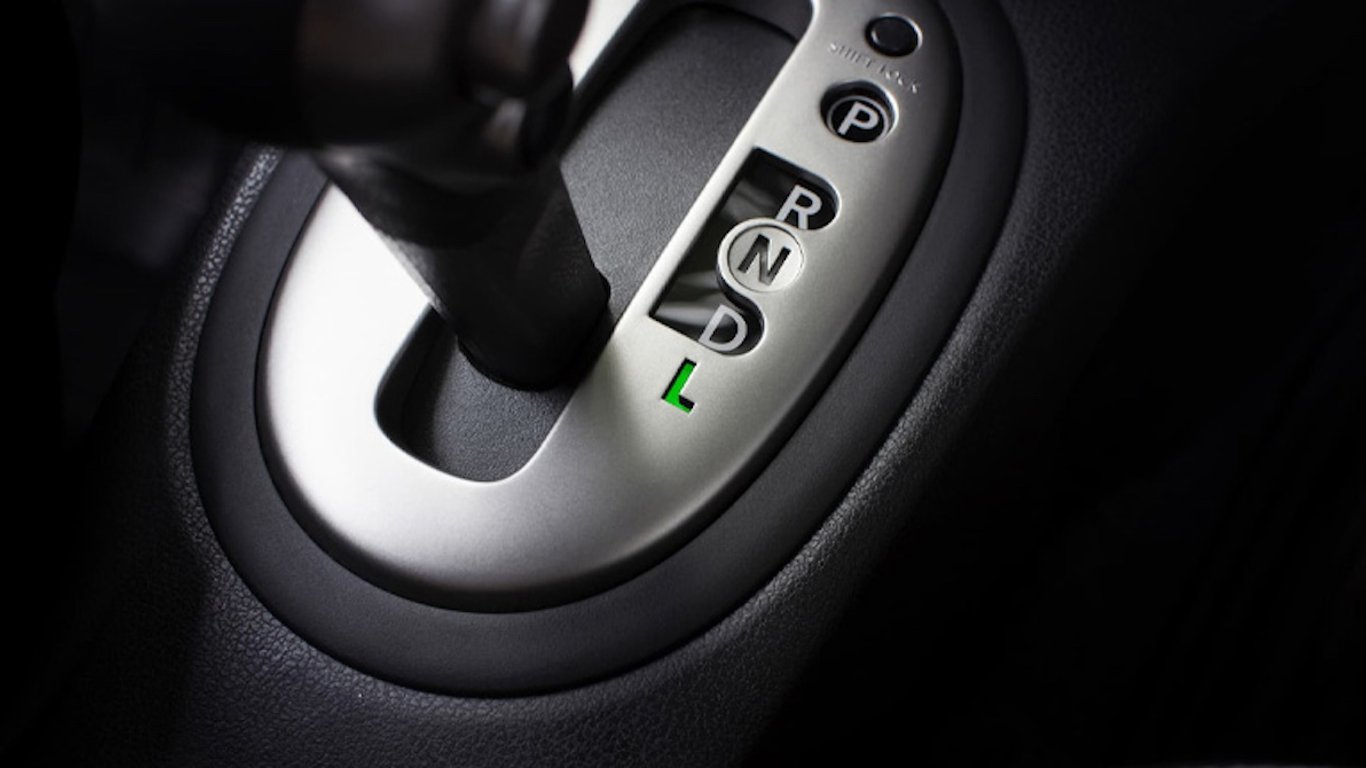
The most common modes of automatic transmission are P (park), R (reverse), N (neutral), and D (drive). The L mode remains a mystery to many, although it can save drivers in difficult situations.
This was written by Autogid.
What is L Mode
L stands for Low. In this mode, the automatic transmission holds the first or second gear and does not shift higher. This is a useful tool for certain conditions where the regular Drive mode may be powerless.
The main advantage of L is the increased torque, which is particularly needed when towing a trailer, navigating out of mud, or climbing a steep slope with a load in the trunk. The car moves slower, but it pulls more confidently precisely due to operating in lower gears.
What Are the Limitations
When driving over curbs, making turns in parking lots, driving in deep snow, or navigating difficult terrains, the L mode can be very helpful. Therefore, do not ignore this feature; it is designed for situations where additional traction and stability are required.
However, you should not abuse this mode. Operating the engine at higher RPMs leads to higher fuel consumption and accelerated wear of components. L mode should be viewed as emergency assistance. It is effective when used only for its intended purpose.
The L mode in automatic transmissions can be a useful tool in difficult road situations where additional traction and stability are needed. This mode allows the vehicle to operate in lower gears, providing increased torque, which is especially important in situations such as towing a trailer or navigating out of difficult road conditions.
Read also
- Antique Musket Balls Repurposed Into Solar Cells with 94% Efficiency
- South Korea Patents a Silent Engine for Air Taxis
- 144 FPS at 4K: A Gamer Pairs an RTX 3090 and RTX 3050 for Stunning Performance
- Snapdragon 8 Elite Gen 5: Qualcomm’s New Chip Targets Sub-$600 Smartphones
- Samsung Unveils Three New Odyssey Gaming Monitors: Specs and Features Revealed
- Plastic Waste Converted into Jet Fuel: New Breakthrough by Chinese Researchers