Rising Gas Prices Loom in Ukraine as Naftogaz Seeks Billions for Imports.

Ukraine's Gas Supply Challenges
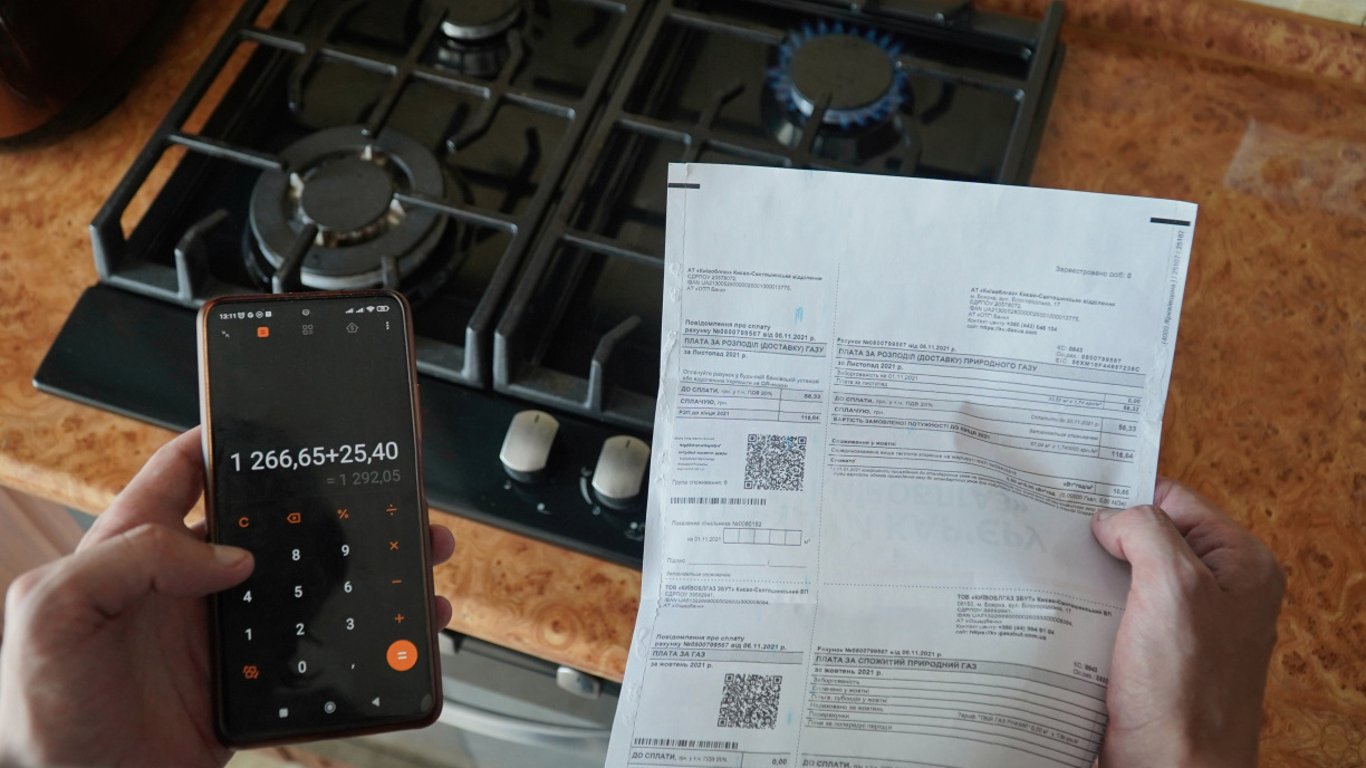
According to Novyny.live: Households in Ukraine may face higher gas prices due to declining domestic production and the ongoing energy crisis across Europe. Currently, the fixed household tariff stands at 7.96 hryvnias per cubic meter, a rate locked in until April 30, 2026. However, as of March 17, 2023, gas storage facilities are only 16% full—roughly 5 billion cubic meters—raising serious concerns about whether enough fuel can be secured for the upcoming winter.
Required Gas Volumes
To safely get through the winter season, Ukraine needs to build up its reserves to 13 billion cubic meters. Given current storage levels, the country will likely need to import between 4.4 and 6.3 billion cubic meters of gas. Recent price jumps at the European TTF hub—from 31 euros per megawatt-hour to 60 euros per megawatt-hour—could further drive up the cost of imported gas.
At the National Bank of Ukraine's exchange rate, imported gas costs approximately 34.6 hryvnias per cubic meter. If European prices remain high, Naftogaz may require additional funding to cover imports. Depending on the scenario, the needed financing breaks down as follows:
- Mild scenario: 33.7 billion hryvnias (price of 55 euros per MWh, imports of 4.4 billion cubic meters)
- Baseline scenario: 52.7 billion hryvnias (price of 65 euros per MWh, imports of 5.5 billion cubic meters)
- Stress scenario: 78.4 billion hryvnias (price of 80 euros per MWh, imports of 6.3 billion cubic meters)
Analyst Andriy Shevchyshyn noted, 'We need to reach at least 13 billion cubic meters before next winter—and even more if the season turns out to be as harsh as the last one.'
These developments highlight the precarious state of Ukraine's energy sector and the real possibility that household gas prices could rise in the near future.
Ukraine's gas situation is part of a broader European energy crisis that continues to affect prices and resource availability. Low storage levels could push tariffs higher for consumers, adding strain to the nation's economy. With the European market remaining volatile, Ukraine must find effective ways to safeguard its energy security and keep prices stable for its population.
Read also
- Drone Strikes on Refineries Trigger Fuel Crisis in Russia: One in Five Trucks Now Idle
- Russia’s Economy Shows Cracks as Stock Indexes and Business Sentiment Plunge to New Lows
- Russian Billionaire Andrey Melnichenko Shares His Vision for Russia’s Post-War Future
- Fuel Crisis in Russia Exposed by Intelligence: Gasoline Prices Surge by a Third
- Global Fuel Markets Shaken as Ukrainian Drones Undermine Russian Control
- Russian Business Owners Are Moving Billions Abroad Amid Fears of Asset Seizure and Forced War Funding