Electricity Prices in Ukraine Set for Potential Rise After 2025/2026 Winter.

Forecast for Higher Electricity Costs
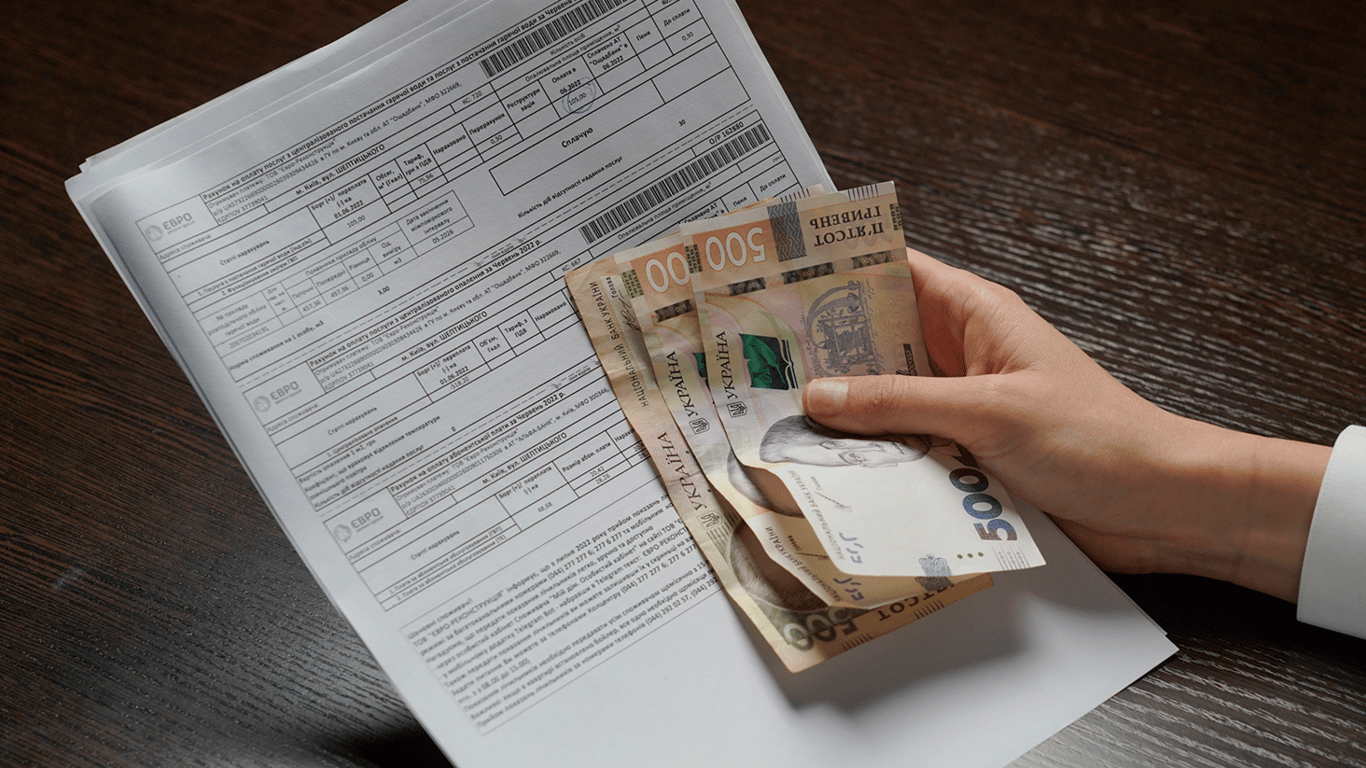
According to Novyny.live: Ukrainian households and businesses could face increased electricity tariffs following the 2025/2026 heating season. This potential hike is linked to the urgent need to rebuild the country's energy sector, which has sustained severe damage from attacks in recent years. According to published forecasts, raising electricity prices is considered a possible step to help stabilize the national energy infrastructure and fund its recovery.
By February 2026, the price of electricity for Ukrainians is projected to reach 4.32 UAH per 1 kWh. This adjustment is expected to be a consequence of the broader economic situation in the country, including the impact of inflationary pressures. The National Bank of Ukraine's inflation report for January 2026 indicates that rising energy tariffs may reflect the economy's needs during a period of reconstruction.
Impact on Households and Businesses
In addition, the cost of one cubic meter of natural gas is set to be 7.96 UAH. This will also affect the overall expense level for both the population and enterprises. In Kyiv, the total price for water supply and sewerage is 30.38 UAH per cubic meter, which, combined with higher electricity costs, could create a significant additional financial burden for citizens.
The energy sector's high dependence on external factors, such as inflation and gas prices, creates considerable uncertainty for consumers. Therefore, the issue of electricity tariffs remains a pressing concern that requires careful monitoring by authorities and the public alike.
Increases in electricity and gas tariffs after the 2025/2026 period could substantially impact the financial well-being of Ukrainian households. Given the ongoing reconstruction of energy infrastructure following widespread destruction, it is crucial to consider not only the economic but also the social consequences of these changes. Consumers should prepare for potential financial challenges, while the government and regulators must work to ensure support for the most vulnerable segments of the population amidst rising prices. These adjustments are part of the difficult economic realities of rebuilding a nation during and after a major war.
Read also
- Russia Faces Imminent Fuel Crisis: Why Refinery Recovery Is Nearly Impossible, Expert Warns
- Economist identifies Russia's point of no return: why it can never reclaim its place among global economic leaders
- Deadly Fuel Lines in Russia as Authorities Divert Gasoline to Moscow Amid Shortage
- Fuel Crisis Hits Russia: Military Gets Only 30% of Needed Supply After Ukrainian Strikes
- Russia Sets Record in Gold Sell-Off: What It Signals for the Economy
- Putin’s Economic Claims Exposed as Manipulation by Ukraine’s Disinformation Center