Tesla hides panoramic roof in Model Y: the reason is cost-saving.


According to Korrespondent.net: Tesla recently announced a new base version of the electric crossover Model Y Standard, which became $5000 cheaper compared to the premium model. However, behind the price reduction are some compromises, one of which is the refusal of the panoramic roof. Although, as Motor1 claims, this is not entirely true.
Officially, Tesla has excluded the panoramic glass roof, but it is still present – the company simply replaced it with a solid fabric ceiling that hides the glass, although it is still visible from above.
According to information from publications Edmunds and Car and Driver, it was decided not to manufacture a new steel roof for the base version, since it turned out to be more expensive than just adding internal trim that hides the glass. A Tesla engineer confirmed that this approach indeed reduces costs.
However, the decision seems quite paradoxical: usually an additional layer of material increases the cost price. Perhaps Tesla unified the roof design for all versions to reduce manufacturing costs and encourage consumers to choose more expensive models with open glass.
A new battery for electric cars promises 50% greater range
News from Korrespondent.net on Telegram and WhatsApp. Subscribe to our channels
Tesla is constantly working on improving its electric cars, and the new version of Model Y shows how the manufacturer is trying to find a balance between price and quality. Despite the price reduction, it is important to monitor further changes that may affect consumer interest and ensure usability.
Read also
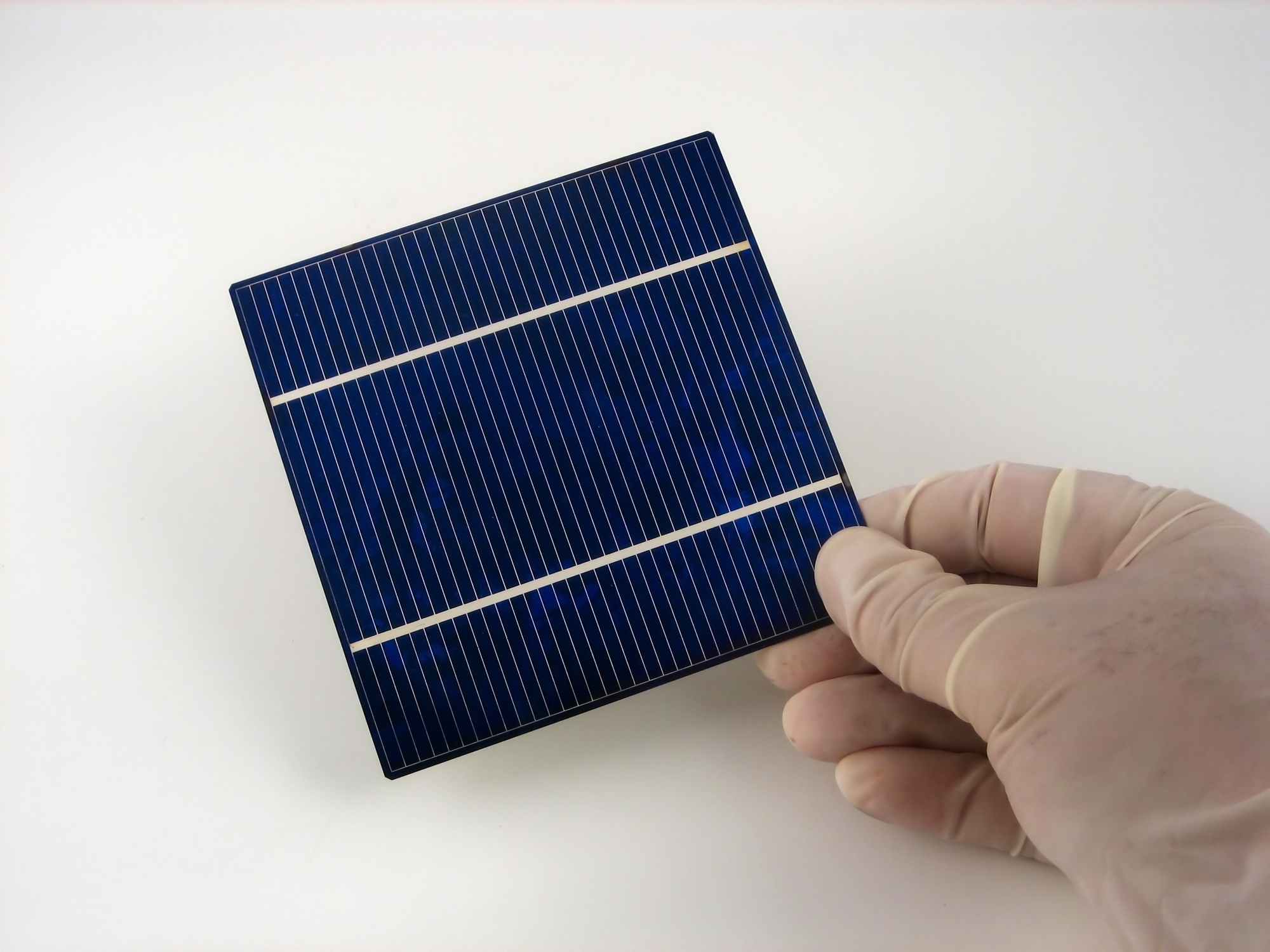
- Antique Musket Balls Repurposed Into Solar Cells with 94% Efficiency
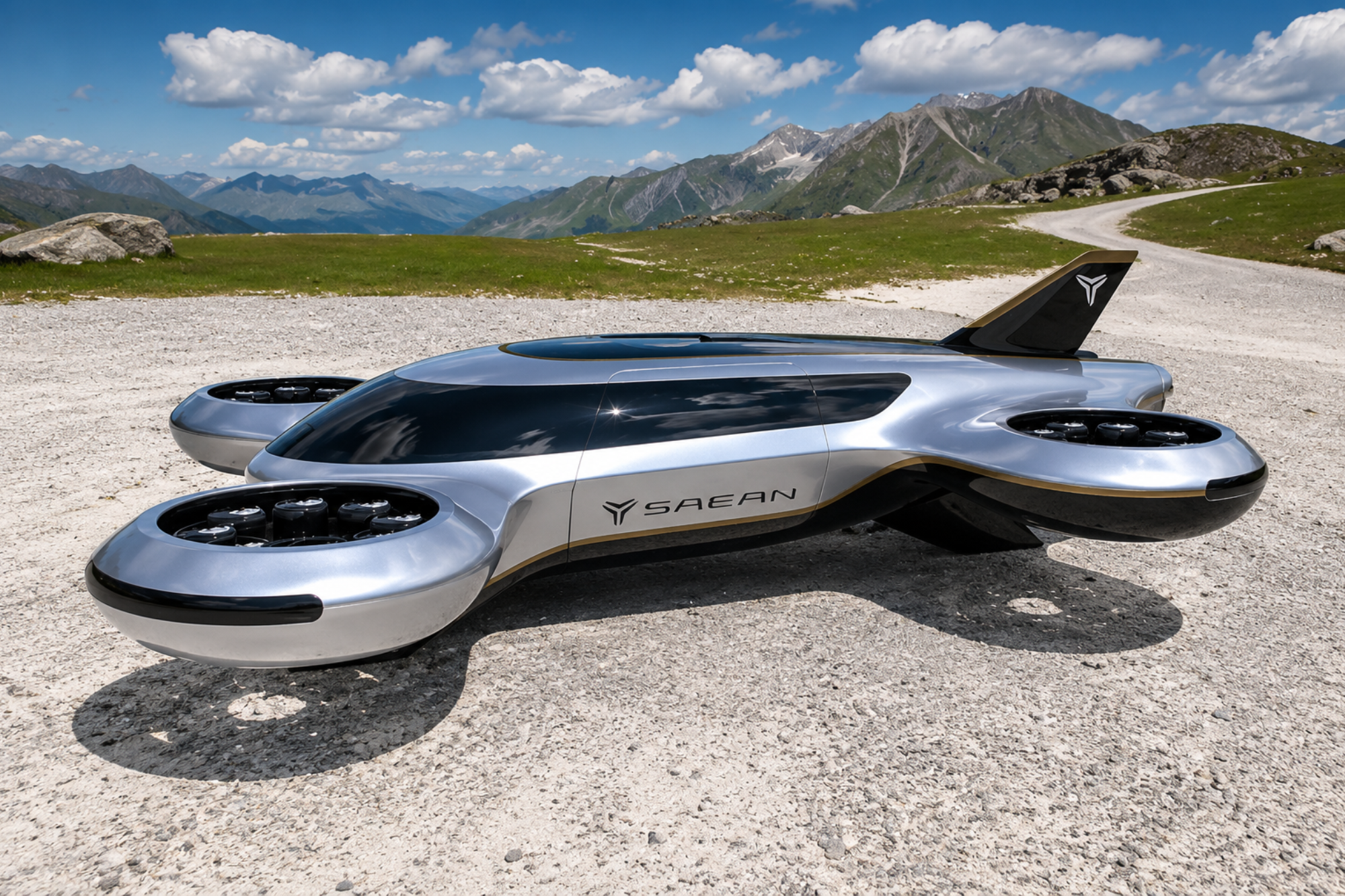
- South Korea Patents a Silent Engine for Air Taxis
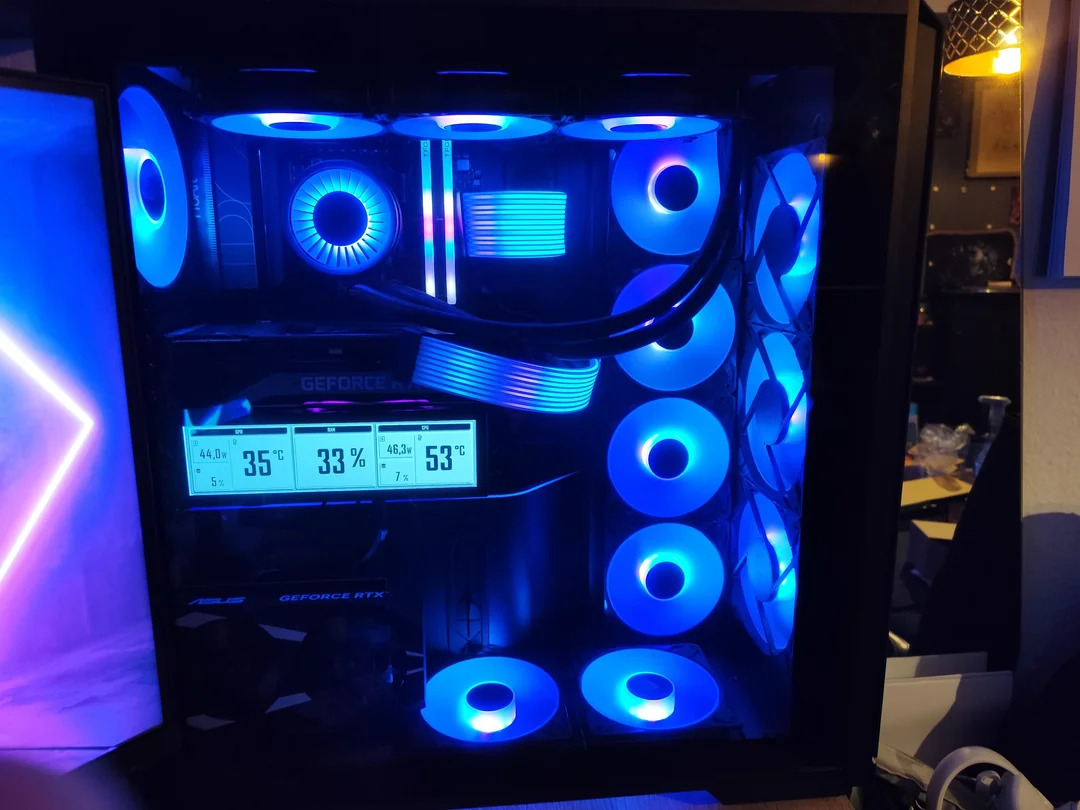
- 144 FPS at 4K: A Gamer Pairs an RTX 3090 and RTX 3050 for Stunning Performance
- Snapdragon 8 Elite Gen 5: Qualcomm’s New Chip Targets Sub-$600 Smartphones
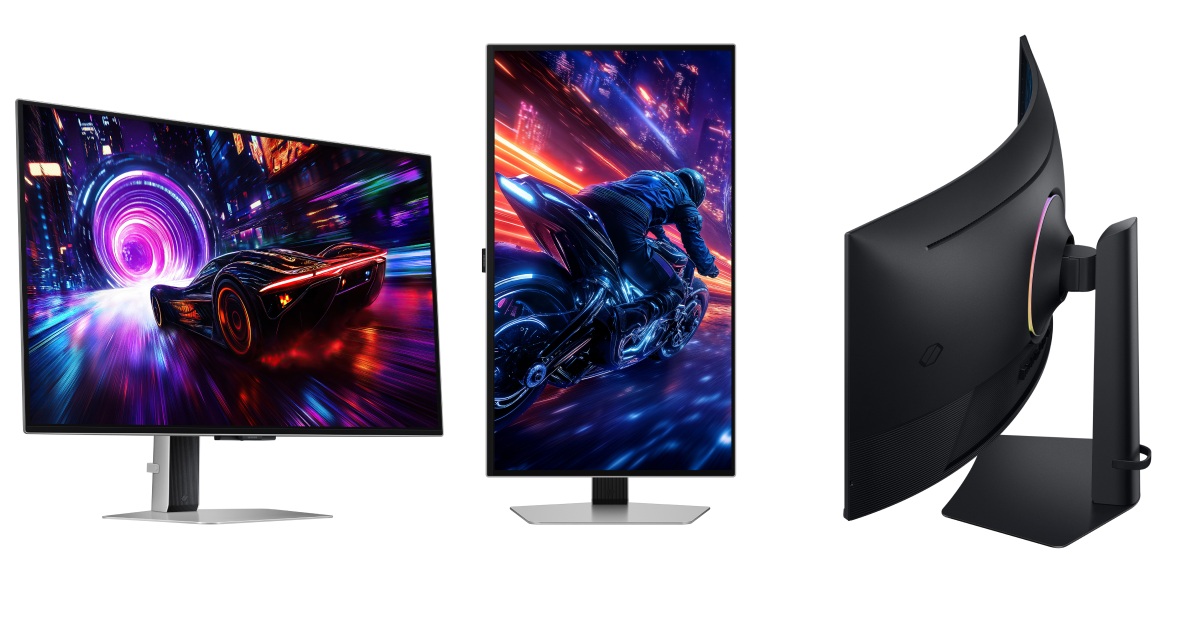
- Samsung Unveils Three New Odyssey Gaming Monitors: Specs and Features Revealed
- Plastic Waste Converted into Jet Fuel: New Breakthrough by Chinese Researchers