AI: Will the development of artificial intelligence lead to the extinction of humanity.

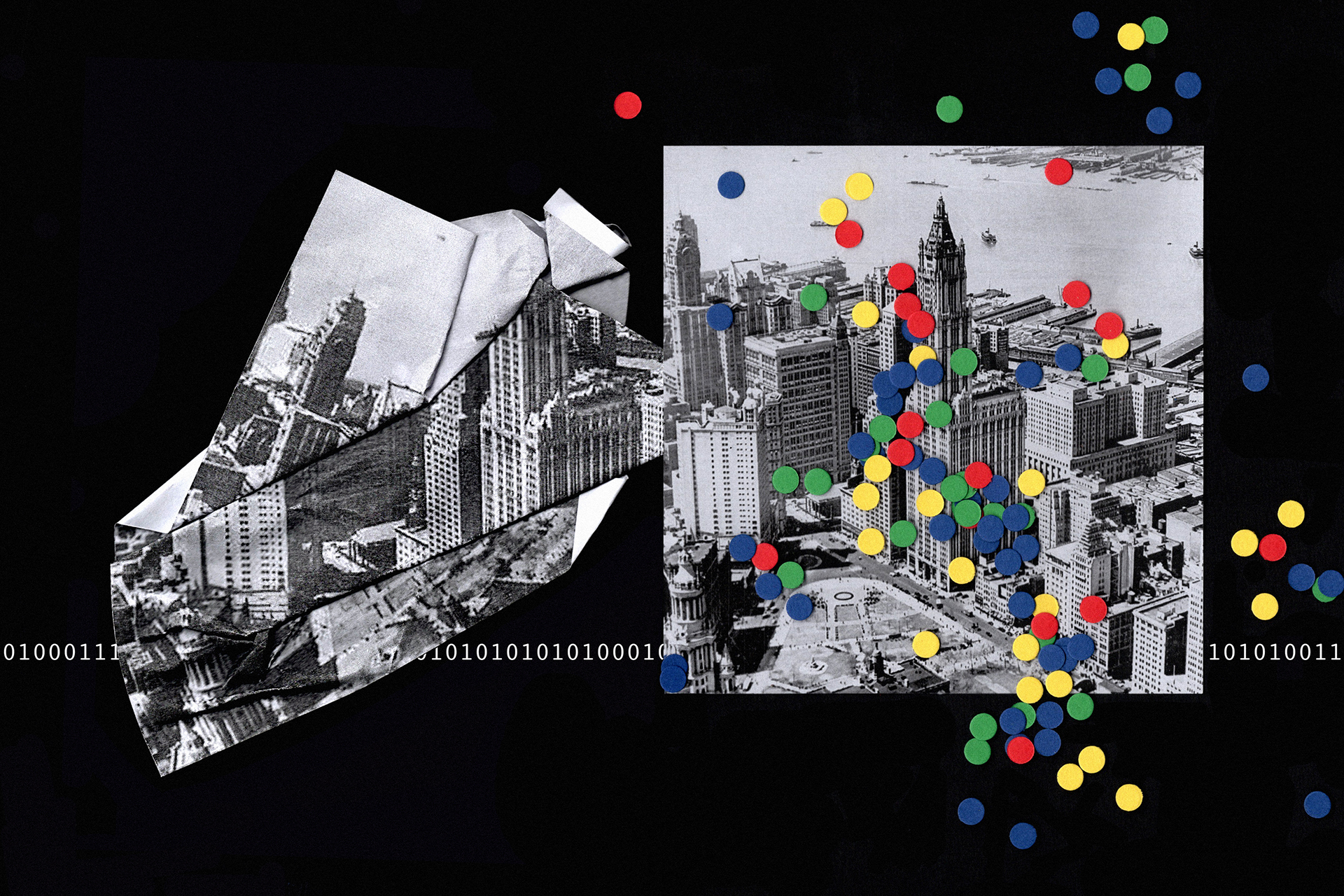
According to Vox: You have probably seen this illusion: at first it looks like a rabbit. You are sure: yes, it's a rabbit! But then - stop! - it’s a duck. Surely, it’s a duck. A few seconds later the image changes again, and you see only the rabbit once more.
The feeling from such a classic optical illusion resembles what I have been experiencing lately, reading two conflicting stories about the future of artificial intelligence (AI).
One of the stories says that AI is just another technology. Yes, it's a big deal, but just as society adapted to electricity or the Internet, we will also find a way to handle advanced AI. If we explore how to make AI safe and implement the right regulations, nothing catastrophic will happen. We will not disappear.
Another viewpoint, clearly expressed in the title of a new book: If someone creates it, everyone will die. The authors, Eliezer Yudkowsky and Nate Soares, seriously believe that a superintelligence - an AI that is smarter than any human and even humanity as a whole - could wipe us all out.
'It's impossible,' assert the authors. 'Practically certain,' adds Yudkowsky, a recognized 'thought leader,' noting the probability of this threat at 99.5%. Soares also reported that it’s “over 95%.” Many researchers are indeed concerned about existential risks from AI, but he disputes the use of the word 'risk' in this context - that's how confident he is in the inevitability of catastrophe.
“When you are speeding towards a cliff,” said Soares, “you don't think: ‘let's talk about the risk of gravity, guys.’ You just want: ‘damn, stop the car!’”
The authors, both from the Machine Intelligence Research Institute in Berkeley, argue that safety research is not yet ready to control superintelligence. Therefore, the only sensible solution is to halt all efforts to create such AI, even if it requires destroying data centers that power AI, if necessary.
Can AI just be a normal technology?
In the essay “AI as a Normal Technology,” which gained popularity in the AI world this year, computer scientists from Princeton Arvind Narayanan and Sayash Kapoor argue that AI should not be perceived as an alien species. It is merely a tool that we can and must control. They believe that ensuring control will not require radical changes in policy.
They see no point in considering AI as a superintelligence, either now or in the future. They dismiss the concept of “superintelligence” as nonsensical.
In conclusion, it is worth noting that both viewpoints - “superintelligence” and “normalization” - have their serious drawbacks.
Superintelligence and its potential threats provoke lively discussions that will likely become even more relevant as technology develops. Scientists and technologists continue to engage in important debates about how to ensure the safe use of AI to prevent dangerous situations from arising. Only time will tell which path societies and governments around the world will choose on these challenging issues.
Read also
- Antique Musket Balls Repurposed Into Solar Cells with 94% Efficiency
- South Korea Patents a Silent Engine for Air Taxis
- 144 FPS at 4K: A Gamer Pairs an RTX 3090 and RTX 3050 for Stunning Performance
- Snapdragon 8 Elite Gen 5: Qualcomm’s New Chip Targets Sub-$600 Smartphones
- Samsung Unveils Three New Odyssey Gaming Monitors: Specs and Features Revealed
- Plastic Waste Converted into Jet Fuel: New Breakthrough by Chinese Researchers