AI threatens millions of jobs: who will lose their jobs first.

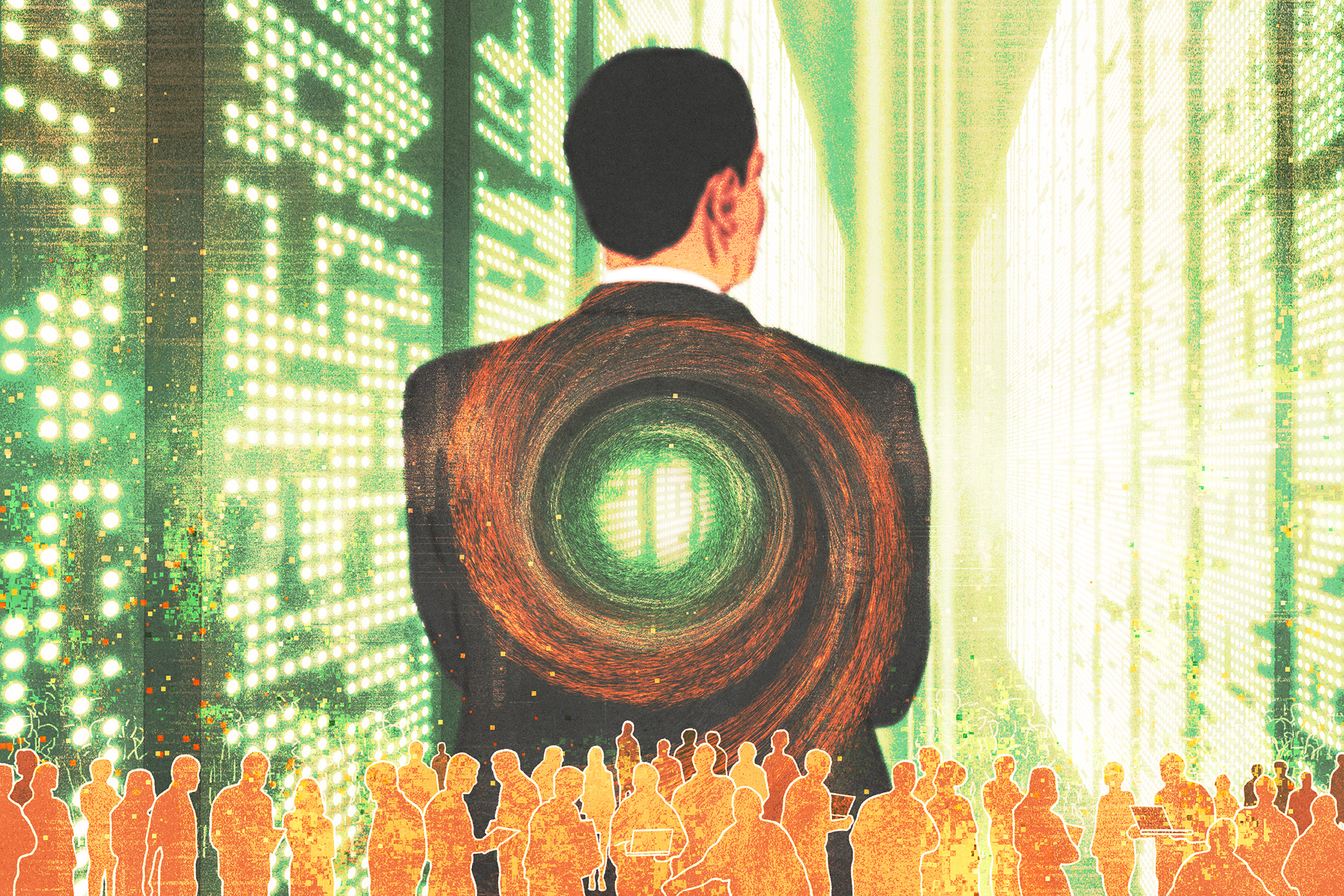
Technology threatens employment
According to Vox: Over the past year, I have realized many alarming things — American voters seem to care less about insurrections than inflation. Being 37 means having one bad knee (and another that isn’t in the best shape), as well as the New York Mets’ deal with Satan in the spring of 1986, for which future generations of fans will pay forever.
But my most unexpected discovery was probably this: robots can perform many of my duties even better than I can.
Robots intensify competition
For a decade, I made a living partly by synthesizing news and academic research into understandable explanations that white-collar workers could ignore, pretending to be busy. The skills needed for this job — quickly absorbing information, creating clear texts, and pretending to know more about any topic than I actually do — are things that ChatGPT excels at.
Worse yet, it can do it much more efficiently. ChatGPT takes five seconds and little electricity to explain how President Donald Trump’s tariffs affected the dollar. To accomplish the same task, I would need around 48 hours, six meals, 37 breaks on Twitter, and no less than three medications. And unlike me, the chatbot can instantly rewrite its analysis in pirate style.
But journalists are not the only ones who fear our apparent economic irrelevance. Professionals in all fields — from programmers to financial analysts to directors — are also worried about their jobs.
The threat of AI to jobs
In response to the challenges, companies are starting to praise plans to implement artificial intelligence in their work. Goldman Sachs is reducing hiring and accelerating AI implementation. Financial company Klarna cut salaries by 40% thanks to AI. Salesforce claims that machines can now perform 50% of the company’s work.
Although the unemployment problem due to AI remains at the level of science fiction, technology seems to be slowing down hiring in highly exposed areas, especially for junior positions. Labor market data shows strange trends: over the past 35 years, college graduates have almost always had a lower unemployment rate than the national average. Now, young college graduates have a better chance of staying unemployed than the typical American worker.
The future of AI
Ahead lies the promised implementation of artificial general intelligence (AGI), which means that machines may surpass humans in all cognitive tasks. Dario Amodei, CEO of Anthropic, notes that AI will likely eliminate half of all entry-level jobs by 2030. Investors seem to respond positively to such forecasts — this year, companies plan to invest $375 billion in AI development.
We can build a highly automated economy where everyone can thrive. … We just need to develop healthy political and economic institutions.
So, it is worth delving into how AI may shape oligarchy — and what can be done to prevent this.
Prospects for the future
Automation is the foundation of all prosperity. Without labor-saving technologies, most of us would still be trying to extract calories from the Earth, constantly risking bad weather. However, automation also regularly destroys people’s lives.
Six years ago, the most sophisticated AI models encountered problems when tasked with writing a snippet of Python or a coherent paragraph. Today, they can earn an A+ in constitutional law and outperform 99.5% of people in certain programming tasks.
No one can be sure that AGI will lower the cost of human labor, but its emergence is already seen as inevitable in the future. Time will tell if we can all cope with these challenges.
Read also
- Antique Musket Balls Repurposed Into Solar Cells with 94% Efficiency
- South Korea Patents a Silent Engine for Air Taxis
- 144 FPS at 4K: A Gamer Pairs an RTX 3090 and RTX 3050 for Stunning Performance
- Snapdragon 8 Elite Gen 5: Qualcomm’s New Chip Targets Sub-$600 Smartphones
- Samsung Unveils Three New Odyssey Gaming Monitors: Specs and Features Revealed
- Plastic Waste Converted into Jet Fuel: New Breakthrough by Chinese Researchers