OpenAI invests billions in biosecurity: how artificial intelligence will fight viruses.

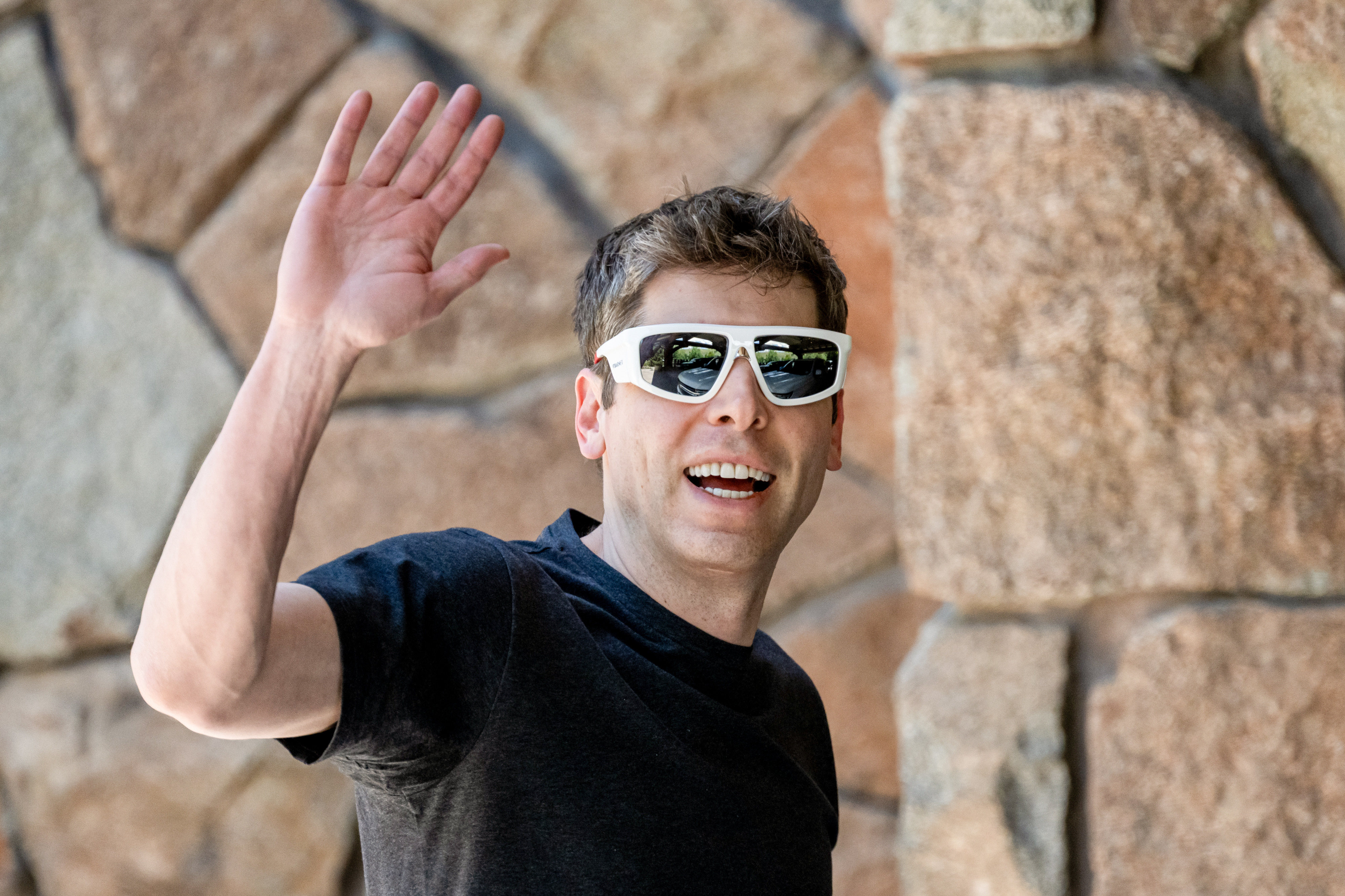
According to Vox: Important news for the development of artificial general intelligence (AGI), which has human-level intelligence across all aspects. OpenAI, which aims to "ensure that AGI benefits all of humanity," has completed its long-awaited corporate plan. This could significantly change our approach to the risks associated with AI, particularly biological threats.
Changes in OpenAI's structure
Recall that OpenAI was founded as a nonprofit organization in 2015, and in 2019, it created a profit-making entity. The nonprofit part is now called the OpenAI Foundation, while the profit-making entity has become a public benefit corporation known as OpenAI Group. The Foundation controls OpenAI Group and owns 26% of the shares, estimated to be approximately 130 billion dollars at the time of the recapitalization closure.
“We believe that the most powerful technologies in the world must be developed in a way that reflects the collective interests of society,” wrote OpenAI in a blog.
One of OpenAI's first initiatives, aside from major deals with Microsoft, was investing 25 billion dollars to accelerate medical research and develop “practical technical solutions to ensure the resilience of AI, which involves maximizing its benefits and minimizing risks.”
Risks and opportunities
Maximizing benefits and minimizing risks are key issues when developing powerful AI. Using AI in biology and medicine can improve disease diagnosis, response speed, and contribute to the discovery of new treatment methods and vaccines. However, many experts are concerned that one of the biggest risks is associated with the potential to create dangerous biological agents, lowering the barrier for developing deadly biological attacks.
OpenAI is aware that its tools could be misused to make biological weapons.
The company Frontier AI has already implemented safeguards for its ChatGPT Agent, but we are only at the beginning of the journey of AI development in biology. Therefore, the news that the OpenAI investment fund, along with Lux Capital and Founders Fund, allocated 30 million dollars for the initial funding of the biosecurity startup Valthos is as significant as the corporate reorganization.
Valthos plans to rapidly create a “technology stack” for biosecurity. “As AI develops, life has become programmable,” the company stated in its blog after emerging from stealth mode on Friday. “The world is approaching universal access to powerful, dual-purpose biotechnologies capable of either eradicating diseases or creating them.”
AI against risks
Should we even consider stopping these tools given their potentially destructive impact? In light of new progress and investment in AI, this seems unrealistic. A crucial question remains: can the AI we develop reduce the risks it itself creates? This issue is becoming increasingly relevant as OpenAI and others approach AGI.
Can AI protect us from AI risks?
Valthos envisions a future where any biological threat to humanity can be instantly detected and neutralized, regardless of the source. “We are creating AI systems for rapid characterization of biological sequences and real-time drug updates,” the company noted.
This will allow for faster response to disease outbreaks, potentially preventing them from becoming pandemics. We will be able to adapt therapies and develop new medications in record time, helping many people with serious illnesses.
However, we have not yet completed our journey to AGI, and even without it, we face serious risks from AI in biology, particularly due to intentions to create new pathogens, more dangerous than everything known in nature. The efforts of Valthos represent a step in the right direction, but AI companies must demonstrate concrete results.
“I am very optimistic about the potential and benefits that society can gain from AI in biology,” said Jaime Yassif, Vice President for Global Biological Policy and Programs at the Nuclear Threat Initiative. “However, it is important to develop and implement these tools responsibly.”
(Note: I previously worked at NTI.)
However, Yassif emphasizes that much work remains to enhance AI's predictive power in biology.
AI cannot function in isolation — important further investments are needed in structures that support change. This is just part of a larger ecosystem of biotechnology innovation. Researchers still need to perform a significant amount of work in the laboratory, conduct clinical trials, and evaluate new therapeutic agents or vaccines. It is also essential to ensure access to these medical solutions for those who need them most, which is no simple task due to bureaucracy and funding issues.
Malicious actors may act right now and affect the lives of millions faster than AI can realize its benefits. That is why it is crucial that safeguards against the misuse of these tools are implemented immediately and keep pace with rapid technological advancement.
SaferAI, assessing risk management practices in companies engaged in Frontier AI, ranks OpenAI second after Anthropic. However, there is still much work to be done. “It is not just about who is at the top,” Yassif stated. “Everyone must do more.”
As OpenAI and others approach artificial intelligence that exceeds human level, the question of how to maximize benefits and minimize risks in biology becomes increasingly relevant. Greater investments in biosecurity and biosafety are needed as life-changing tools become more complex. It is crucial that AI used to combat risks from AI becomes a successful step in this direction.
Read also
- Antique Musket Balls Repurposed Into Solar Cells with 94% Efficiency
- South Korea Patents a Silent Engine for Air Taxis
- 144 FPS at 4K: A Gamer Pairs an RTX 3090 and RTX 3050 for Stunning Performance
- Snapdragon 8 Elite Gen 5: Qualcomm’s New Chip Targets Sub-$600 Smartphones
- Samsung Unveils Three New Odyssey Gaming Monitors: Specs and Features Revealed
- Plastic Waste Converted into Jet Fuel: New Breakthrough by Chinese Researchers