How Your Car's Drivetrain Wears Out Tires and Wastes Fuel—and How to Extend Their Lifespan.

Transmission Type and Its Impact on Tire Durability
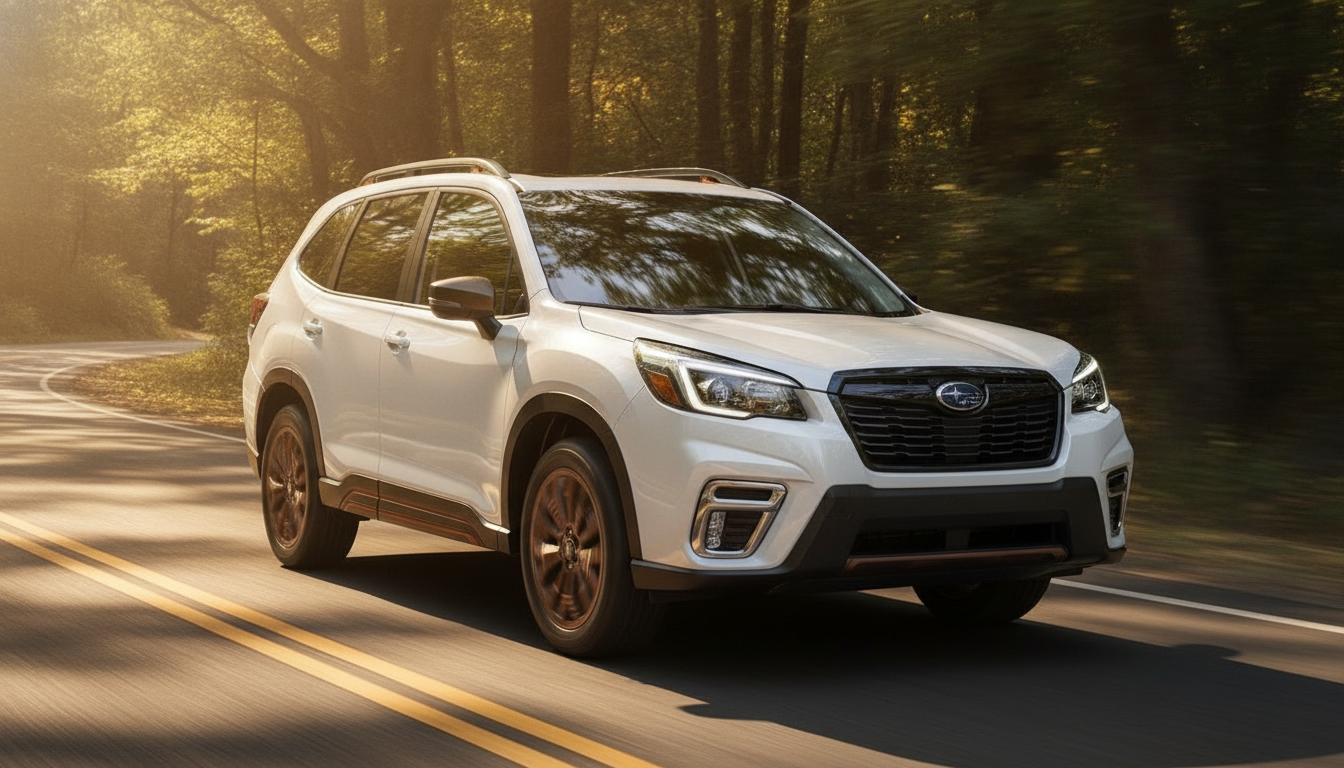
According to Novyny.live: The type of drivetrain in a vehicle plays a major role in how quickly tires wear down and how much fuel the car consumes—an issue that directly affects safety on the road. In front-wheel-drive or rear-wheel-drive cars, the bulk of the workload is placed on a single axle, causing that set of tires to degrade faster. The driven wheels always experience more rapid wear, which can hurt overall vehicle performance and efficiency.
How Tire Wear Differs Across Vehicle Types
All-wheel-drive vehicles, in particular, tend to see the most aggressive tread wear. This happens because their heavier drivetrain systems demand more energy to operate, leading to uneven tire wear and increased rolling resistance. Low tire pressure is another critical factor, as it raises fuel consumption and lengthens stopping distances.
Proper tire maintenance and regular condition checks are essential for safe, cost-effective driving. Drivers should pay close attention to their vehicle’s drivetrain characteristics and schedule timely tire inspections. Doing so helps prevent unexpected expenses and ensures a longer service life for the car.
Understanding how the drivetrain influences tire wear and fuel usage allows drivers to make smarter choices when selecting and maintaining their vehicles. This knowledge can be a deciding factor in budgeting for car upkeep and improving efficiency. Following tire care recommendations not only boosts road safety but also reduces environmental impact by lowering fuel consumption.
Read also
- Turn Your Old Phone Into a Smart Display: Inside the New ScreenWall Web Platform
- Speed Record Set by Bombardier Global 8000: Los Angeles to Farnborough in Just 8 Hours 46 Minutes
- A New Augmented Reality Platform Lets You Read and Build 3D Comics
- How Artificial Intelligence Is Unlocking Billions in Real Estate Value
- Ukraine’s Air Defense Gets a Boost: New 'Hot Dog' Drone Takes Down Over 300 Targets
- Windows That Generate Power Even at Night: A New Solar Innovation