Hair Extension Products Under Scrutiny as Study Finds Toxins in 41 of 43 Samples.

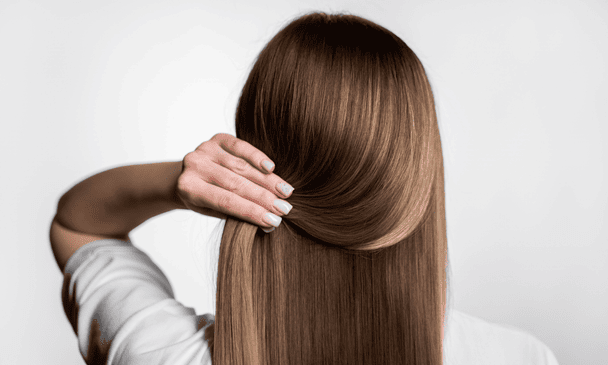
Study Uncovers Hazardous Chemicals in Hair Extension Products
According to TSN.ua: A study by the Silent Spring Institute has raised significant health concerns, revealing that 41 out of 43 tested hair extension products contained toxic substances. These findings are particularly alarming for the millions of women who regularly use these products, as the detected compounds can pose serious risks to the body.
The research analyzed 43 different hair extension products. Among these samples, 41 were found to contain traces of toxic chemicals, including:
- Flame retardants (antipireny)
- Phthalates
- Styrene
- Pesticides
- 1,1,2,2-Tetrachloroethane
- Organotin compounds
These substances are known to be hazardous and are linked to the risk of developing various illnesses.
Further compounding the issue, the Center for Environmental Health (CEH) also detected the presence of cocamide DEA in shampoos and soaps. This compound is listed as a carcinogen in California, underscoring the severity of the situation.
'The fibers are in direct contact with the scalp and neck skin. When styled with a hairdryer or flat iron, these chemicals are heated and released into the air, which the woman inhales daily.' — Elissia Franklin, Product Safety Expert
Among the identified toxins, flame retardants and phthalates may be associated with an increased cancer risk and hormonal disruptions. Styrene and pesticides are toxic compounds used in industry, while tetrachloroethane is a solvent known to damage the liver and nervous system. Organotin compounds, in turn, can cause skin irritation.
These results highlight the urgent need for closer scrutiny of the ingredients in hair extension products, as their use can have negative consequences for consumer health. This comes at a time when the personal care products industry faces growing calls for greater transparency.
Given the discovery of these dangerous substances, consumers are advised to exercise caution when selecting hair products. It is also crucial to raise awareness about the potential risks associated with cosmetic use and to urge manufacturers to reformulate their products. This study could serve as a catalyst for stronger safety controls over cosmetics in the marketplace.
Read also
- New Drug Doubles Survival in Pancreatic Cancer Patients: A Breakthrough in Treatment
- Flesh-Eating Parasite Discovered in Texas for First Time Since the 1980s—What It Means for the U.S
- Bacteria on Paper Money: How Long They Survive, Warns Doctor
- Military Personnel and Veterans Eligible for Spa Stay Reimbursements: What You Need to Know
- A Powerful G3-Class Geomagnetic Storm to Hit Earth on June 5: What It Means for You
- Troops May Face Repeat Medical Boards: Key Wording in Health Certificates