







NYT Journalist Uncovers Startling Similarities in Trump's Iran and Putin's Ukraine Rhetoric.

NYT Journalist Uncovers Startling Similarities in Trump's Iran and Putin's Ukraine Rhetoric

Comparing Conflicts

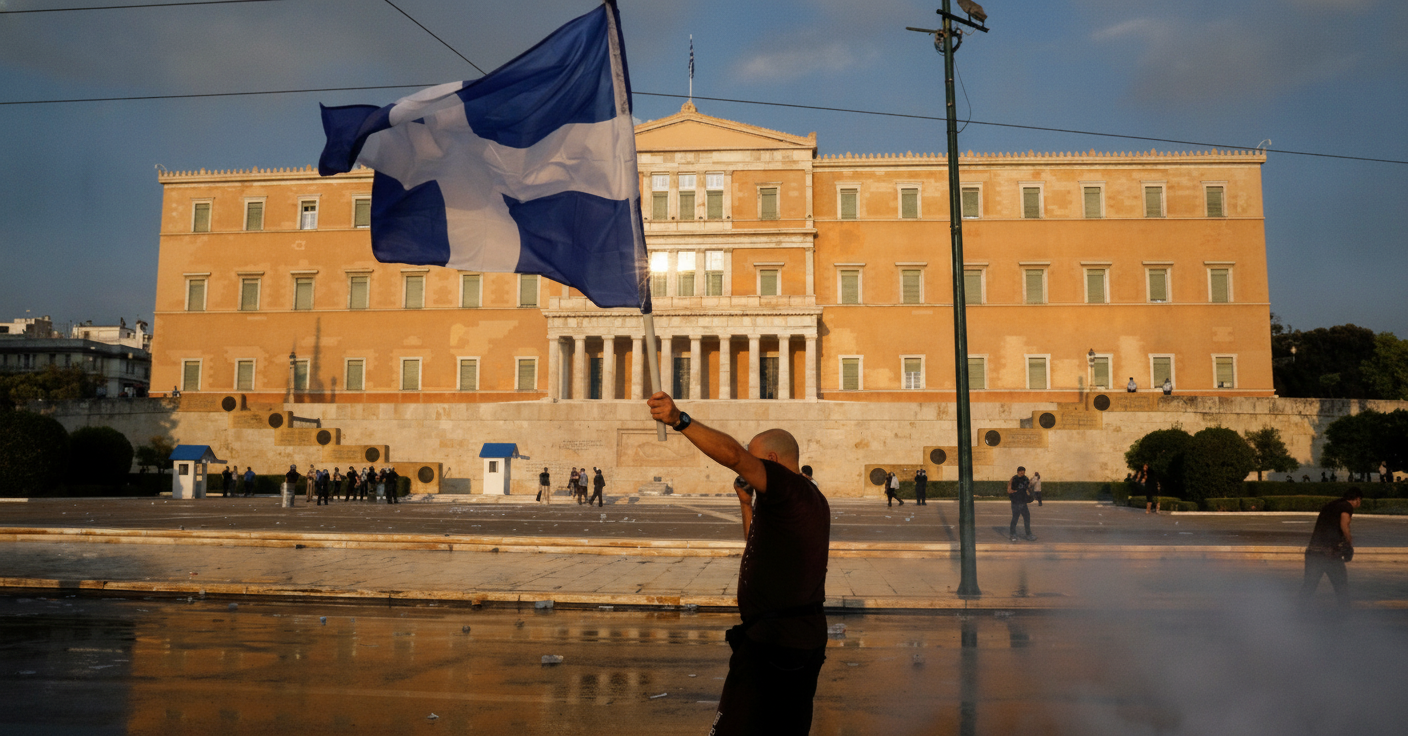
According to TSN.ua: Anton Troianovski, a journalist for The New York Times, draws a parallel between Donald Trump's strikes on Iran and Vladimir Putin's assault on Ukraine, highlighting shared characteristics in these conflicts. He focuses on the terminology, objectives, and war rhetoric, noting that both leaders employ similar language to justify their military actions. This analysis comes at a time when global powers are increasingly scrutinizing the justifications used for military intervention.

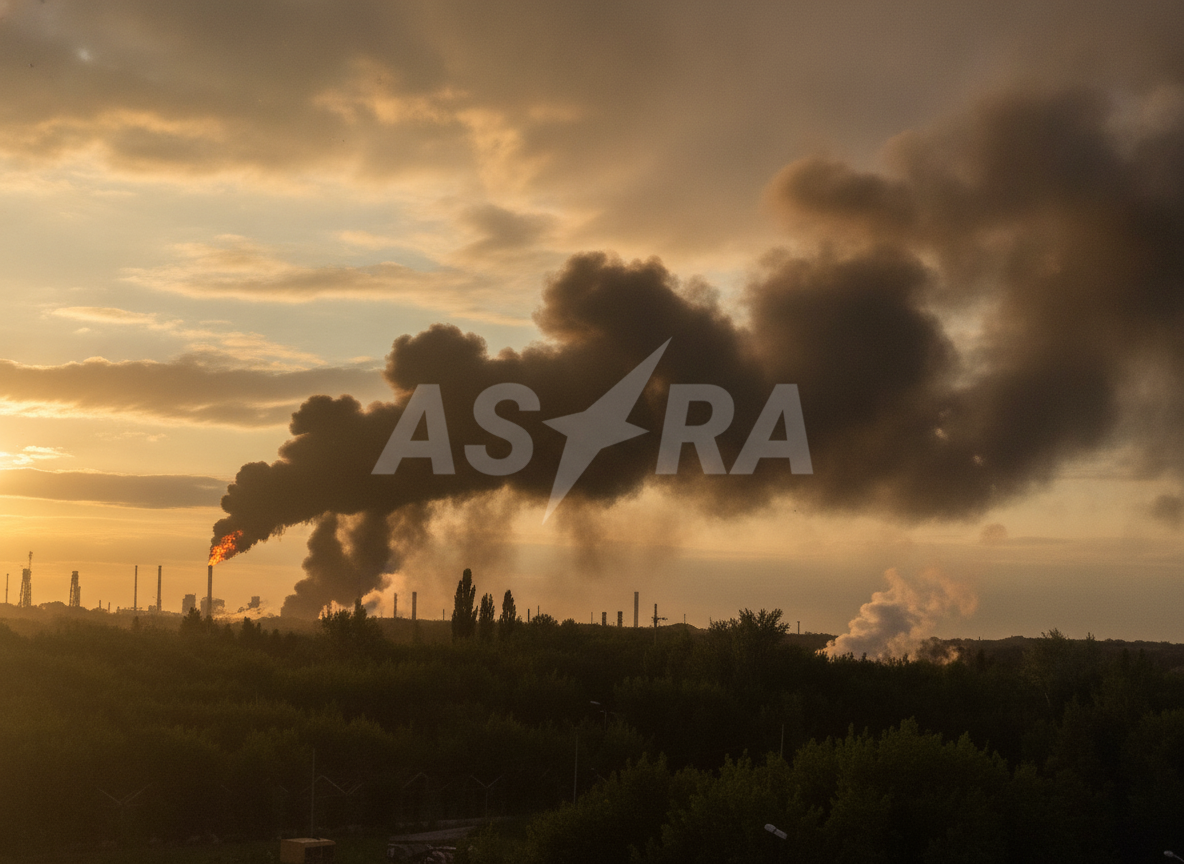
On February 24, 2022, Russia launched its full-scale invasion of Ukraine. The war has resulted in immense human loss, with casualty estimates approaching 500,000. In July 2022, Vladimir Putin stated,

'we have not even started anything serious yet,'
indicating his plans for the conflict extended far beyond its initial stages. Around the same time, Donald Trump, who had initiated hostilities with Iran just a week prior, warned Iranian soldiers to
'lay down your arms' or 'face certain death.'

Terminology and Rhetoric

Vyacheslav Volodin, speaking about Russia's invasion of Ukraine, asserted:

'This is a special military operation. If Russia had started a full-scale war, it would have ended long ago.'
This terminology reflects an attempt by Russian propaganda to frame military actions that might otherwise be perceived as outright aggression. Conversely, Trump remarked that
'we haven't even started to hit them hard,'
which also conveys an aggressive posture toward Iran.

Commenting on the situation, Dmytro Kuleba observed:

'It is hard even for the United States to destroy a big country.'
This underscores the complexity of military campaigns and the profound consequences they can unleash. Troianovski concludes that, despite the different contexts and nations involved, the terminology and rhetoric of the leaders reveal certain commonalities in their strategic communication about warfare.

Therefore, comparing Trump's actions against Iran with Putin's attack on Ukraine shows not only similarities in the leaders' approaches but also the critical importance of understanding the context of such military actions and their implications for the international community. The parallels in rhetoric and terminology may point to shared strategies used to legitimize warfare, which in turn raises significant ethical and legal questions about these conflicts.


Read also

Advertising