Trump Extends Russian Sanctions Through 2027: Implications and Context.

U.S. Sanctions on Russia Extended
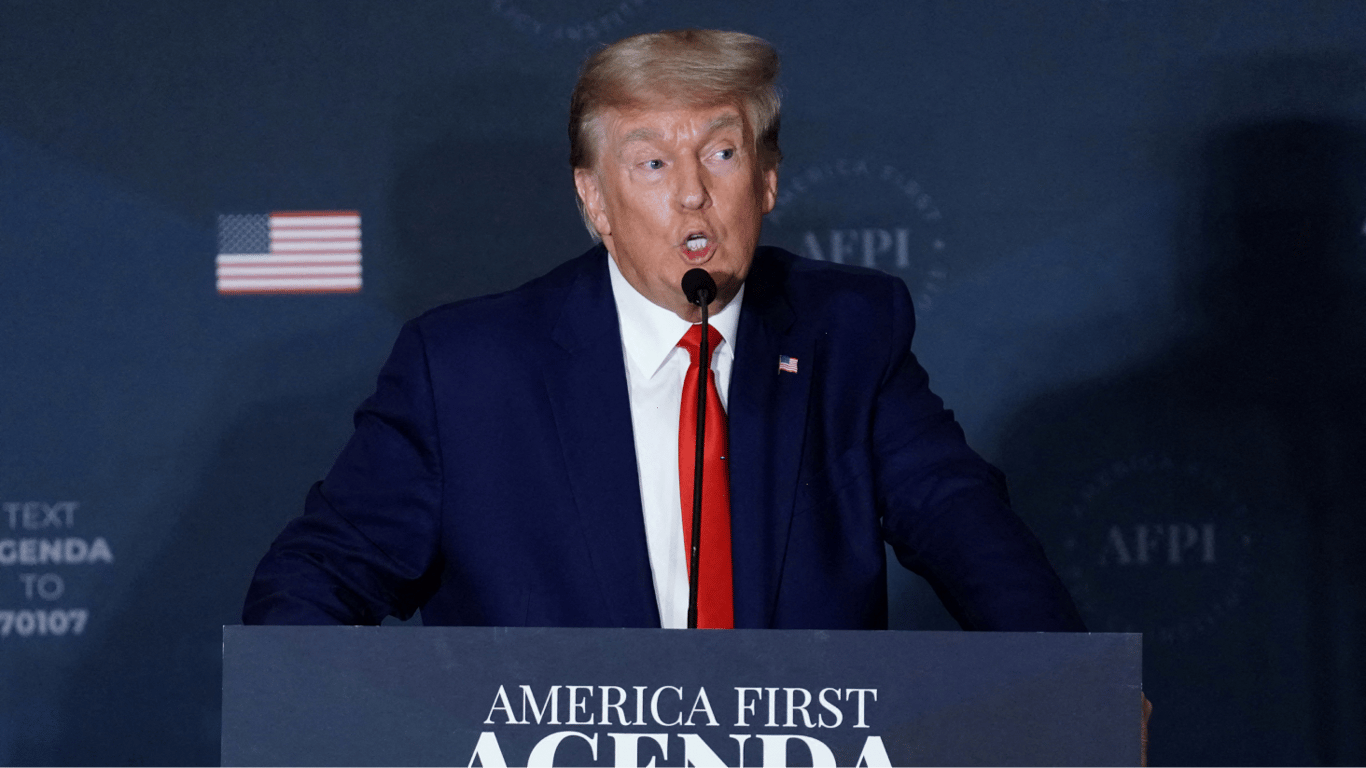
According to Novyny.live: U.S. President Donald Trump has extended sanctions against Russia until March 2027. These measures were originally implemented by his predecessor, President Joe Biden. The first sanctions order against Russia dates back to 2014, issued by then-President Barack Obama. The restrictions were notably expanded in September 2018 in response to Russia's occupation of Ukraine's Crimea, and again in February 2022 following Moscow's recognition of the self-proclaimed 'Donetsk People's Republic' and 'Luhansk People's Republic'. This ongoing policy reflects a consistent, bipartisan U.S. approach to countering Russian actions over the past decade.
Global Efforts and a New Sanctions Package
The U.S. sanctions are part of broader international efforts to curb Russia's aggressive foreign policy. In a parallel move, the European Union is also taking steps to intensify economic pressure. Specifically, the European Commission has presented a 20th package of sanctions against Russia. A key aspect of this new EU package is the unprecedented sanctioning of seaports in third countries, set to take effect on February 13th.
- The primary candidates for inclusion on the sanctions list are:
- The Indonesian port of Karimun
- The Georgian terminal of Kulevi
The extension of U.S. sanctions signals that America and its allies remain committed to using economic pressure to deter Moscow's aggression. This underscores the importance of international cooperation in addressing threats to the global security order. Given the recent actions by the European Union, a further tightening of sanctions policy at the international level is anticipated, which could have significant consequences for the Russian economy and its international partners.
Read also
- New Anti-Russia Sanctions Advance in U.S. Congress: Inside the Daines Amendment
- Trump Backs Late Senator Graham’s Sister in Her Bid for a U.S. Senate Seat
- White House Teleprompter Operator Made Over $100,000 Betting on Trump’s Speeches: Investigation Reveals
- Over 60 U.S. Senators Back Graham’s Bill for 100% Tariffs on Russian Energy Exports
- New U.S. Strikes Hit Iran: Chabahar Port Tower Destroyed in Latest Escalation
- China Challenges US Dominance in AI: Xi Jinping Proposes a New Global Body