Trump's Proposed Peace Council with Putin for Gaza Draws Scrutiny from Ukrainian Official.

Trump's Proposed Peace Council Initiative
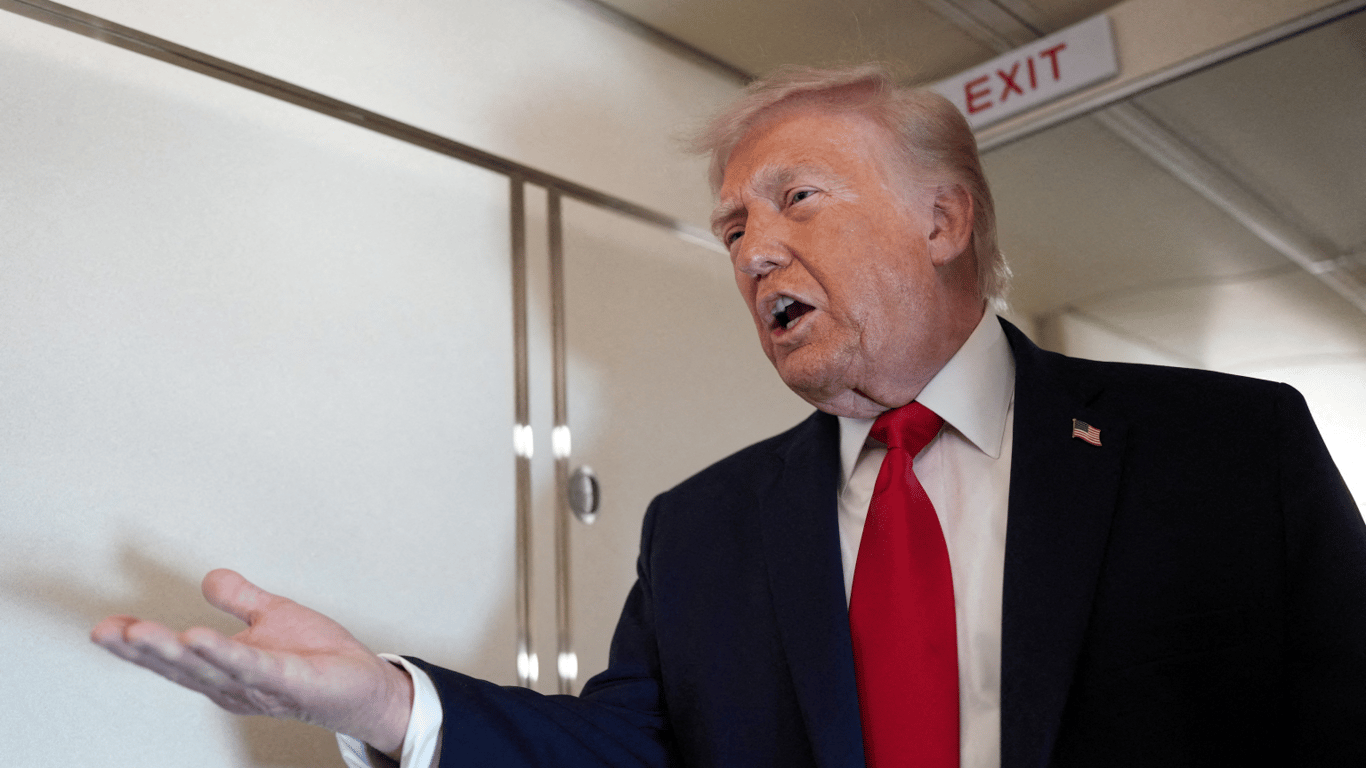
According to TSN.ua: Former U.S. President Donald Trump has proposed establishing a new peace council to address the Gaza conflict, a move raising concerns due to the potential involvement of Russian President Vladimir Putin. Pavlo Klimkin, Ukraine's former foreign minister, has emphasized that this diplomatic initiative does not override existing legal mechanisms for holding an aggressor accountable. This development comes amid ongoing international efforts to address multiple global crises.
Trump confirmed he has approached Putin with an invitation to join the peace council. He has also extended invitations to Ukrainian President Volodymyr Zelenskyy and Belarusian leader Alexander Lukashenko to participate. The United States is reportedly considering expanding the council's mandate to help resolve other international conflicts in the future.
Analysis and Broader Implications
Klimkin stressed that Putin could still face accountability through international tribunals or national legal systems. He observed that Trump 'views things primarily through the lens of the Middle East, rather than other wars and conflicts,' a perspective that could shape approaches to international crisis resolution. The former president's focus often centers on deal-making in specific regions.
Trump's push to create this peace council signals a potential reactivation of U.S. diplomatic efforts in conflict zones, particularly the Middle East. While the inclusion of figures like Putin and Lukashenko may indicate an attempt to broker compromise solutions, it also raises questions about the legitimacy of such forums in the eyes of the international community. Crucially, despite this new proposal, established legal frameworks for prosecuting aggressors remain in place, which could significantly influence future negotiations and their outcomes.
Read also
- Zelensky announces stepped-up strikes on Russia: Can diplomacy still end the war?
- NATO Set to Announce €70 Billion for Ukraine Ahead of Ankara Summit
- Why Zelensky’s Flight Departed from Moldova Instead of Poland During His UK Visit
- Russian Drone Strikes Nuclear Fuel Storage Site in Chernobyl Zone: IAEA to Take Up the Case
- Putin Rejects Zelenskyy’s Call for a Face-to-Face Meeting
- Key Outcomes of Zelenskyy’s Talks with French, German, and British Leaders