Trump's 'Peace Council' Initiative: Core Members, Entry Terms, and Global Launch.

Trump's 'Peace Council' Initiative: Core Members, Entry Terms, and Global Launch
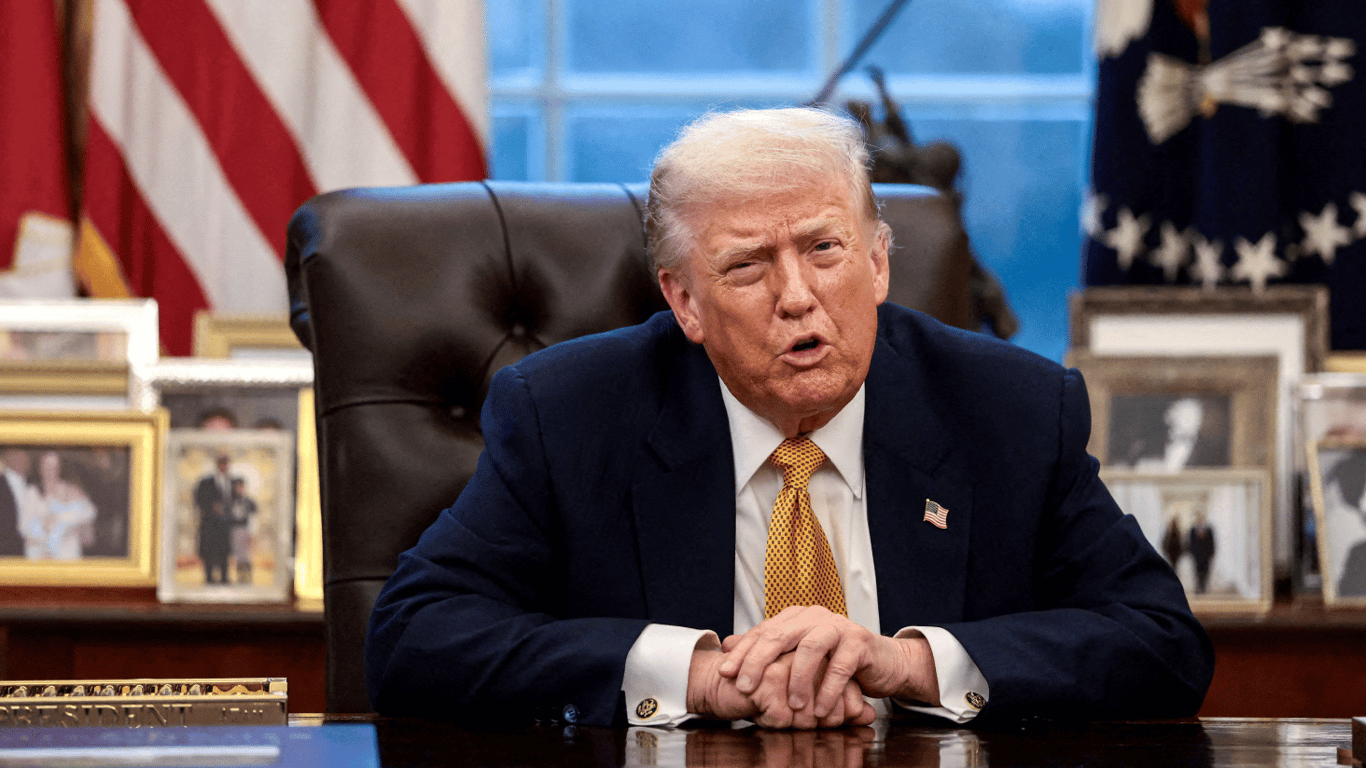
According to Novyny.live: The White House has announced the 'Peace Council' initiative, with its public launch scheduled for January 22, 2026, at the World Economic Forum in Davos. The signing ceremony for the council's charter will take place at the Davos Congress Center, gathering roughly 1,300 politicians, business leaders, and NGO representatives.
U.S. President Donald Trump, who initiated the project, will attend the forum with the largest American delegation in the event's history, comprising over 300 officials. Invitations to join the 'Peace Council' have been sent to approximately 60 nations that may participate in this new global venture.
Terms for Joining the 'Peace Council'
Countries are being offered a three-year term of participation in the 'Peace Council,' with a 'permanent seat' linked to a contribution of $1 billion. Donald Trump will hold the status of Chairman of the 'Peace Council' for life. Publicly named core members of the initiative include:
- Marco Rubio
- Steve Witkoff
- Tony Blair
- Jared Kushner
This initiative could mark a significant step in shaping new international relations and addressing global challenges. The President of Ukraine has already responded to Trump's proposal to join the 'Peace Council,' confirming an interest in participating.
The launch of the 'Peace Council' signals a U.S. desire to elevate its role in global affairs and foster international dialogue on pressing challenges.
The requirement for substantial financial contributions from participating nations may incentivize more active state involvement in international initiatives and strengthen U.S. influence on the world stage. Ukraine's response underscores the initiative's importance for countries seeking new avenues for international cooperation and support. The move is seen as part of Trump's broader foreign policy approach during his second term.
Read also
- Trump Approves Nuclear Deal with Saudi Arabia, Allowing Enrichment Without IAEA Oversight
- Pentagon Requests $67 Billion More as US War Costs Against Iran Hit $37.5 Billion
- Iran Faces Infrastructure Bombing Under New US Strategy Announced by Trump for Strait of Hormuz Attacks
- Ukraine’s Air Defense Gets a Boost: New Interceptor Missiles for Patriot Systems Discussed with NATO
- Putin Abandons Plans to Return Occupied Lands to Ukraine: What We Know About the So-Called 'Buffer Zones'
- Trump Endorses FIFA's Ban on Balogun and Backs New UN Secretary-General Pick