How Trump's Foreign Policy Reshaped Transatlantic Ties and Europe's Future.

The Trump Presidency and U.S. Foreign Policy
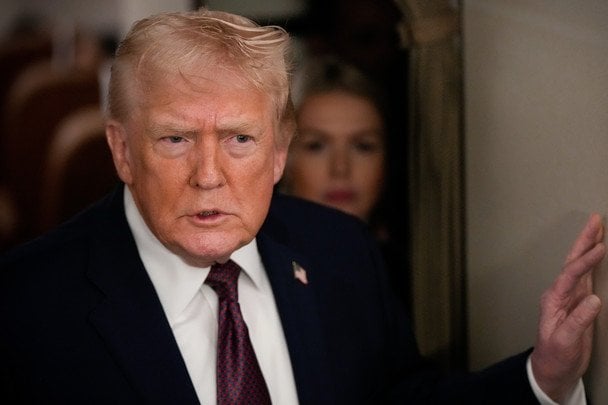
According to TSN.ua: The foreign policy approach of the United States under President Donald Trump significantly altered transatlantic relations and presented Europe with a series of new challenges. In his analysis, Mark Leonard, Director and Co-Founder of the European Council on Foreign Relations, argues that the Trump administration's actions eroded the transatlantic partnership and undermined trust in the U.S., even among its closest European allies. This period marked a profound shift from decades of post-war diplomatic consensus.
Key Features of the Trump Administration's Strategy
A pivotal document outlining this policy was the 33-page National Security Strategy. Notably, this document omitted any mention of traditional U.S. adversaries like Russia or China, a move that caused considerable unease across Europe. According to Leonard, this fundamental shift in America's approach to international relations could have severe consequences for Europe, which he believes will become 'unrecognizable in 20 years or less.'
Furthermore, approximately two-thirds of Ukrainians expressed a desire for a stronger partnership with the European Union, highlighting a push for greater integration and cooperation within the European political sphere. The changes in U.S. foreign policy under Trump's leadership created a new reality, forcing European nations to adapt to novel conditions of international engagement. This dynamic has accelerated debates within the EU about strategic autonomy and collective security.
'The foreign policy of the Trump administration did not just impact transatlantic relations; it also presented Europe with new challenges that demand a strategic approach and a united effort to ensure stability and development on the continent.' - Mark Leonard
Trump's foreign policy acted as a catalyst for change among European countries, compelling them to seek new strategies to uphold their own security and economic development. This underscores the necessity of strengthening European integration and taking a more active role in ensuring regional stability, which will likely shape future U.S.-Europe relations. Observing how European nations respond to these emerging geopolitical realities will be crucial in the coming years.
Read also
- Europe Falls Short on Weapons to Deter Russia: Professor Warns Modernization Won’t Arrive Until 2028–2029
- Armenia’s Final Pivot West: What Drove Pashinyan’s Decision
- Belarus Has No Wish to Fight and Has Reached Out to the West, Lukashenko Says on Ukraine War
- Europe Rejects Schröder as Negotiator After Secret Putin Meeting
- Ukraine Set to Receive SAMP/T Air Defense System for Ballistic Threats: Delivery Timeline Revealed
- Frontline Stabilization Sparks Questions About a Potential Ceasefire